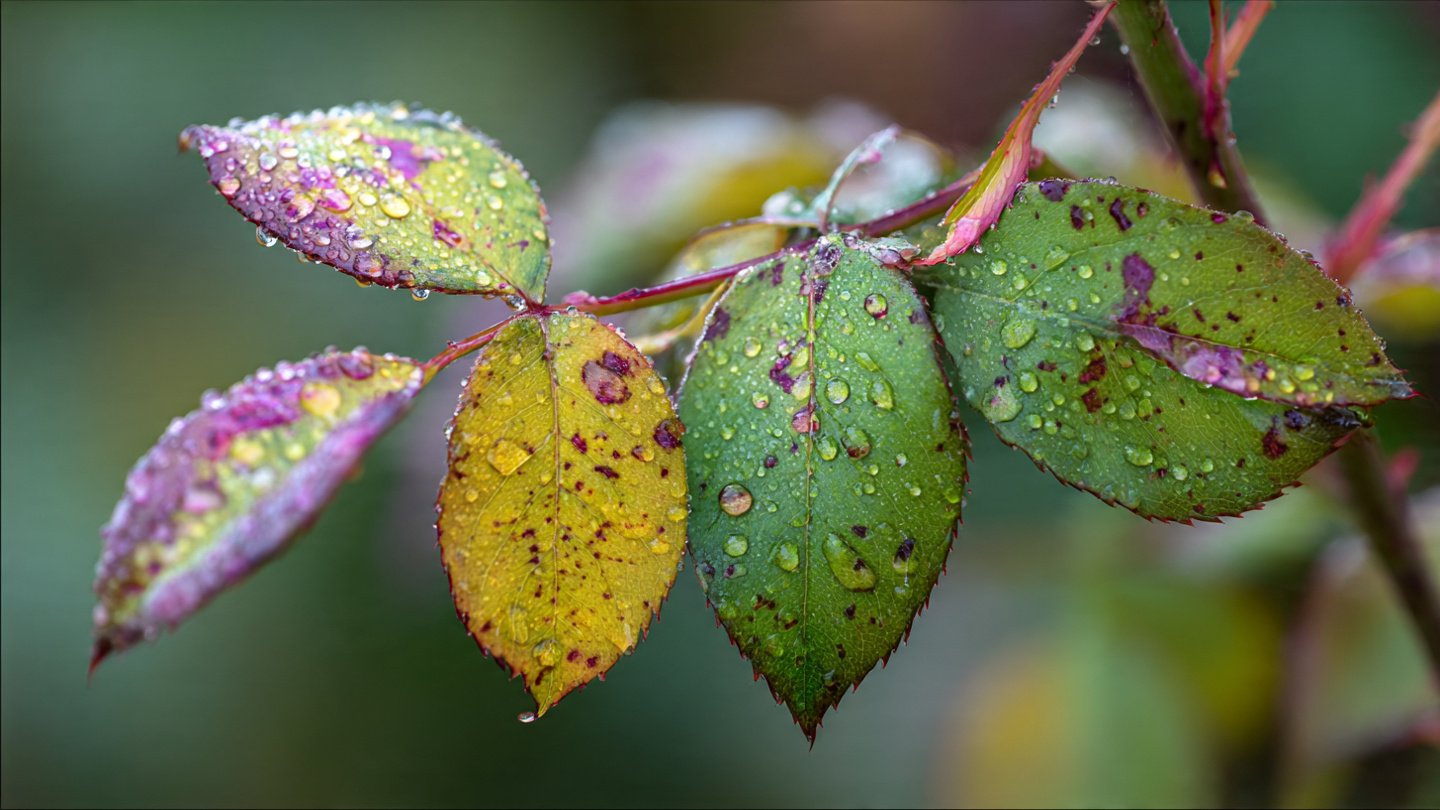
Roses are one of the most beloved flowers worldwide, admired for their beauty, fragrance, and elegance. However, even the healthiest-looking rose plants can fall prey to black spot disease—a common fungal infection that can quickly damage leaves, weaken the plant, and affect flowering. Black spot, caused by the fungus Diplocarpon rosae, manifests as dark, circular spots with fringed edges on leaves. If left untreated, it can lead to yellowing, leaf drop, and reduced plant vigor. While chemical fungicides are widely available, many gardeners prefer natural solutions to protect their roses without exposing themselves or the environment to harsh chemicals.
Fortunately, there are several effective natural methods to prevent and manage black spot on rose leaves. By understanding the causes, practicing preventive care, and using home remedies, you can enjoy healthy, vibrant rose plants throughout the growing season.
1. Improve Air Circulation Around Rose Plants
One of the most important steps in preventing black spot naturally is ensuring proper air circulation. The fungus thrives in humid, stagnant environments, especially when leaves remain wet for long periods.
How to Improve Air Circulation:
- Prune Strategically: Remove overcrowded stems and weak branches. This not only shapes the plant but also allows sunlight and airflow to reach inner leaves, reducing fungal growth.
- Space Plants Appropriately: Avoid planting roses too close together. Maintaining at least 2–3 feet of spacing between plants ensures that air can circulate freely, drying leaves more quickly after rain or watering.
- Raise Plant Beds: Planting roses slightly elevated helps water drain away from the base, keeping roots and lower leaves dry.
Tip: Morning sunlight is particularly beneficial. It helps dry dew and residual moisture faster than afternoon sun, reducing the ideal conditions for black spot to develop.
2. Remove Infected Leaves Promptly
Preventing the spread of black spot requires vigilance. Infected leaves act as a reservoir for fungal spores, which can easily spread to healthy parts of the plant or neighboring roses.
Steps to Remove Infected Leaves Naturally:
- Inspect Regularly: Check leaves every few days, especially during wet and humid conditions, for signs of black spots.
- Prune Carefully: Using sterilized scissors or pruning shears, remove leaves showing black spots. Dispose of them in the trash instead of composting, as the fungus can survive in soil or compost and reinfect plants.
- Clean Tools: Wipe your pruning tools with rubbing alcohol or a bleach solution to prevent spreading spores to other plants.
Tip: Wear gloves while handling infected leaves, as spores can linger on your hands and potentially transfer to other plants.
3. Use Natural Fungicidal Sprays
Several household items can act as natural fungicides, helping prevent and control black spot without chemicals. These sprays are generally safe for roses, people, and pets.
Baking Soda Solution
Baking soda, or sodium bicarbonate, alters the pH on leaf surfaces, making conditions unfavorable for fungal growth.
How to Apply:
- Mix 1 teaspoon of baking soda with 1 quart of water.
- Add a few drops of mild liquid soap to help the solution adhere to leaves.
- Spray all surfaces of the leaves, especially the undersides, once a week.
Tip: Avoid using this spray under direct sunlight to prevent leaf burn.
Neem Oil Spray
Neem oil is a natural antifungal and insecticidal agent extracted from the neem tree. It helps both prevent and control black spot while keeping pests away.
How to Apply:
- Mix 2 tablespoons of neem oil with 1 gallon of water.
- Add a few drops of mild liquid soap for better adhesion.
- Spray thoroughly on leaves, stems, and buds every 7–10 days.
Tip: Shake the solution well before each application, and apply in the evening or early morning to avoid sun scorch.
Garlic or Onion Spray
Garlic and onion contain sulfur compounds that inhibit fungal growth.
How to Apply:
- Crush a few garlic cloves or blend onions with water.
- Strain the mixture and dilute with additional water (about 1 part extract to 5 parts water).
- Spray on affected plants every week as a preventive measure.
Tip: These sprays are more effective as preventive treatments rather than cures for advanced black spot infections.
4. Maintain Healthy Soil and Watering Practices
Healthy soil leads to strong, disease-resistant roses. Proper watering and soil management are essential to reduce the chances of black spot.
Tips for Soil and Water Management:
- Mulch Regularly: Apply a 2–3 inch layer of organic mulch around the base of the rose plant. Mulch helps retain soil moisture, regulates temperature, and prevents soil-borne spores from splashing onto leaves during watering or rain.
- Water at the Base: Avoid overhead watering, which wets the leaves and encourages fungal growth. Instead, water directly at the soil level, keeping foliage dry.
- Fertilize Wisely: Over-fertilizing with nitrogen can produce soft, lush leaves that are more susceptible to black spot. Use a balanced fertilizer or compost to promote steady, healthy growth.
- Ensure Proper Drainage: Roses do not like soggy soil. Raised beds or well-draining soil prevent waterlogging and reduce fungal development.
5. Encourage Beneficial Microorganisms
Natural resistance to black spot can be enhanced by encouraging beneficial microorganisms in the soil. These microbes compete with fungal pathogens and improve overall plant health.
Ways to Promote Beneficial Microbes:
- Use Compost Tea: Brew compost tea by soaking mature compost in water for 24–48 hours. Strain and spray the liquid on the soil and leaves. This introduces beneficial bacteria and fungi that suppress pathogens.
- Add Mycorrhizal Fungi: Mycorrhizal fungi form symbiotic relationships with rose roots, enhancing nutrient uptake and disease resistance. Many garden centers sell powdered mycorrhizal inoculants.
- Avoid Over-Sterilization: While it’s important to keep tools clean, avoid over-sterilizing soil with chemicals. Healthy microbial populations in the soil naturally protect roses from black spot.
Tip: Regularly rotating mulches and incorporating organic matter strengthens the soil ecosystem, further helping your roses resist infections.
6. Companion Planting
Certain companion plants can naturally repel fungal pathogens and pests. While not a direct cure, companion planting supports overall rose health, indirectly reducing susceptibility to black spot.
Good Companion Plants:
- Alliums (Garlic, Chives, Onions): These produce sulfur compounds that act as natural fungicides.
- Marigolds: Their root exudates can suppress some fungal pathogens.
- Lavender and Sage: Aromatic herbs improve air circulation and repel pests that may weaken roses.
Tip: Plant companions at a distance that does not crowd roses but still provides beneficial effects.
Conclusion
Protecting rose leaves from black spot naturally requires a combination of preventive care, vigilant monitoring, and home remedies. By improving air circulation, promptly removing infected leaves, using natural fungicidal sprays like neem oil or baking soda, maintaining healthy soil and watering practices, encouraging beneficial microorganisms, and employing companion planting, gardeners can significantly reduce black spot infections without resorting to harsh chemicals.
Consistency is key: black spot prevention is more effective than trying to cure advanced infections. With patience, proper care, and natural solutions, your roses can thrive, producing vibrant flowers and lush green leaves all season long. Embracing natural methods not only keeps your garden eco-friendly but also ensures that your roses remain safe for children, pets, and pollinators, creating a healthy, harmonious garden environment.
By following these steps, you can enjoy the beauty of roses without the worry of black spot, ensuring that your garden remains a colorful, healthy oasis year-round.