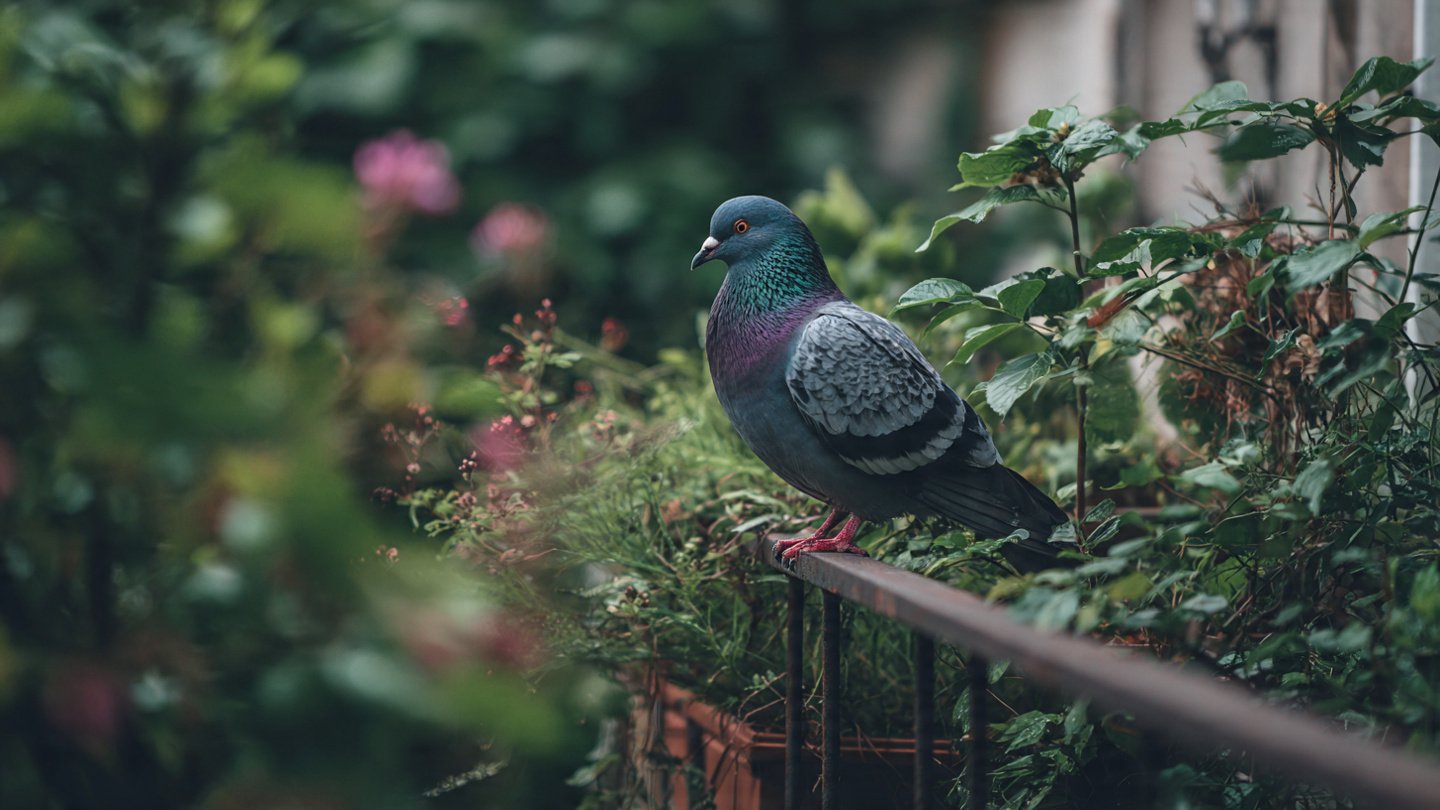
Balcony gardens are a wonderful way to bring greenery into urban spaces, providing fresh herbs, colorful flowers, and even small fruits in compact areas. However, one common challenge that many balcony gardeners face is pigeons. These birds are intelligent, adaptable, and persistent, often causing damage to plants, soil, and even your garden décor. While some gardeners resort to chemical repellents or traps, there are numerous natural ways to deter pigeons without harming them, keeping your balcony garden thriving and bird-free.
Understanding Pigeon Behavior
Before tackling the problem, it helps to understand why pigeons are drawn to balconies in the first place. Pigeons are attracted to areas that offer:
- Food: Even small crumbs, seeds, or leftovers can entice pigeons.
- Shelter: Balcony railings, ledges, and corners provide ideal perching and nesting spots.
- Safety: Elevated spaces offer protection from predators and a good vantage point.
Pigeons are social birds and often visit in groups. Once they find a reliable food source or safe perch, they tend to return consistently. Addressing both food availability and nesting opportunities is key to natural deterrence.
Keep Your Balcony Clean
The first and simplest step in naturally discouraging pigeons is to maintain cleanliness. Pigeons are opportunistic feeders; removing food sources reduces their incentive to linger.
- Sweep the floor regularly to remove fallen seeds, crumbs, or plant debris.
- Avoid leaving pet food or compost exposed.
- Store soil, fertilizers, and potting mixes in sealed containers.
Even a small improvement in cleanliness can significantly reduce pigeon visits. A balcony free of attractive resources becomes less appealing over time.
Use Physical Barriers
Physical barriers are one of the most effective natural solutions to prevent pigeons from landing or nesting. Several options are available:
- Bird Spikes: These are plastic or metal strips with short spikes that prevent pigeons from perching on railings, ledges, or balcony edges. They don’t harm the birds but make landing uncomfortable.
- Netting: Installing fine mesh or bird netting around your balcony can prevent pigeons from entering while still allowing sunlight and airflow. Netting is especially effective for balconies with multiple perching points.
- Wire or String Lines: Stretching thin wires or string across ledges creates an unstable surface, discouraging pigeons from settling.
Physical barriers are particularly effective because they work continuously without any active maintenance, providing a safe and chemical-free solution.
Use Reflective and Moving Objects
Pigeons are easily startled by movement and light reflections. Strategic placement of reflective or moving objects can deter them naturally:
- Hang CDs, aluminum foil strips, or reflective ribbons around the balcony. These create flashes of light that pigeons dislike.
- Use small wind chimes or pinwheels; the movement and noise make pigeons uneasy.
- Consider a lightweight reflective tape that moves with the wind, creating unpredictable motion.
These methods are low-cost, non-toxic, and can be combined with other strategies for maximum effect.
Plant Deterrents
Some plants naturally deter pigeons due to their scent, texture, or taste. Incorporating these into your balcony garden can serve dual purposes: enhancing aesthetics while keeping pests away.
- Lavender: Its strong aroma is unappealing to pigeons and adds fragrance to your garden.
- Rue: Known for its pungent smell, rue effectively discourages pigeons from landing nearby.
- Peppermint or Basil: Strong-smelling herbs like peppermint or basil act as natural repellents.
- Thorny or spiky plants: Plants such as roses or holly make perching uncomfortable, naturally deterring birds.
Plant deterrents work best when combined with other methods, creating a multi-layered strategy that pigeons find hard to overcome.
Natural Predators and Decoys
Pigeons are wary of predators. By simulating the presence of a threat, you can discourage them from visiting your balcony:
- Owl or hawk decoys: Plastic or realistic models of birds of prey placed on the balcony can scare pigeons away. Move them periodically to prevent pigeons from getting used to them.
- Pet presence: Cats or small dogs in visible areas act as natural deterrents. Even the sound or movement of a cat can keep pigeons away.
These methods are non-lethal, relying on pigeons’ natural instincts to avoid danger.
Smells and Natural Repellents
While pigeons are not as sensitive to smell as some animals, certain scents can still make a balcony less inviting. Consider using:
- Garlic or chili sprays: Mixing water with garlic or chili powder and spraying it around balcony railings can act as a mild repellent.
- Vinegar solutions: Vinegar’s strong smell is unpleasant to pigeons; a diluted spray can discourage them from perching.
- Coffee grounds: Sprinkling used coffee grounds around plants can deter pigeons while enriching the soil for some plants.
Always test sprays on a small area first to ensure they don’t harm plants or surfaces.
Create an Uncomfortable Landing Space
Pigeons prefer flat, stable surfaces to perch. Making your balcony surfaces uncomfortable or uneven can naturally discourage them:
- Place small, angled boards or tiles along ledges.
- Cover flat surfaces with coarse gravel or decorative stones that make landing difficult.
- Avoid flat, wide surfaces near plants where pigeons can rest safely.
These subtle modifications are safe for both birds and plants but reduce the likelihood of pigeons settling on your balcony.
Combine Methods for Best Results
While a single technique may work temporarily, pigeons are intelligent and adaptable. The most effective natural strategy involves combining several approaches:
- Keep your balcony clean and free of food debris.
- Install physical barriers on perches and ledges.
- Incorporate plants that naturally repel pigeons.
- Add reflective or moving objects to create a sense of movement and threat.
- Use decoys or scents to reinforce the perception of danger or discomfort.
By layering these strategies, pigeons find your balcony unattractive, and they eventually move on to easier, safer locations.
Regular Maintenance and Observation
Even with natural deterrents, pigeons may try to return over time. Regularly inspect your balcony for:
- Droppings or signs of nesting
- Damaged plants or soil disturbances
- Areas where barriers may have shifted or become ineffective
Addressing issues promptly ensures that your natural deterrents remain effective. Consistency is key: pigeons are persistent, but patience and persistence with natural methods pay off.
Benefits of Natural Pigeon Deterrents
Choosing natural methods to keep pigeons away has multiple advantages:
- Environmentally friendly: Avoids harmful chemicals that could affect plants, pets, or local wildlife.
- Humane: Prevents harm to birds while encouraging them to relocate.
- Cost-effective: Many solutions use inexpensive materials or plants already in your garden.
- Multi-functional: Many deterrents, such as plants or reflective decorations, enhance the balcony’s appearance or fragrance.
Natural solutions are sustainable and maintain the health of your balcony ecosystem while effectively reducing pigeon problems.
Final Thoughts
Pigeons can be persistent visitors in urban balcony gardens, but there are many natural ways to keep them away. By understanding their behavior and creating an environment that is unattractive or uncomfortable, you can protect your plants, soil, and garden décor without resorting to harmful chemicals or traps.
Maintaining cleanliness, installing barriers, using reflective and moving objects, incorporating deterrent plants, and simulating natural threats all work together to reduce pigeon activity. Combining these strategies and observing your balcony regularly ensures a peaceful, thriving garden space where your plants flourish and pigeons are politely discouraged from settling.
With patience and creativity, your balcony garden can remain a vibrant, pigeon-free oasis, allowing you to enjoy the beauty and bounty of your urban greenery without disruption.