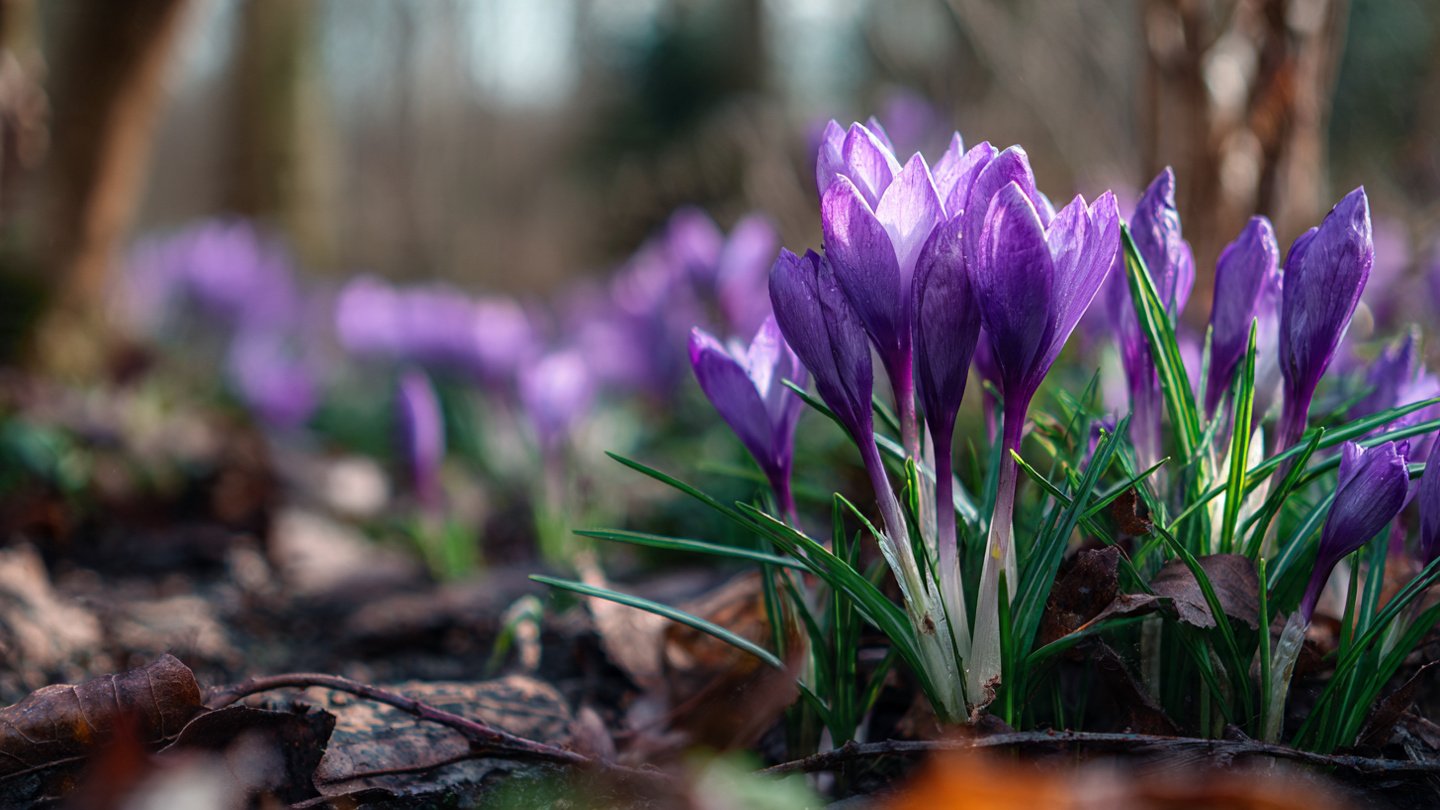
There is something magical about the sight of spring bulbs blooming in the middle of winter. While snow and frost blanket gardens and landscapes, seeing crocuses, daffodils, tulips, and hyacinths emerge brings warmth, color, and hope into the coldest months. For gardeners and plant enthusiasts, forcing spring bulbs to bloom early is both a rewarding and fascinating practice. By understanding the biology of bulbs, providing the right conditions, and carefully planning your timing, you can enjoy vibrant blooms indoors or in protected outdoor spaces long before spring officially arrives. This article explores the science, techniques, and tips to make spring bulbs bloom in the heart of winter.
Understanding Bulb Biology
Spring bulbs are essentially storage organs that contain all the nutrients a plant needs to grow, flower, and store energy for the next season. Bulbs like tulips, daffodils, hyacinths, crocuses, and snowdrops develop flowers inside the bulb before winter arrives. However, they usually remain dormant during the cold months, waiting for warmer temperatures to trigger growth.
Forcing bulbs to bloom early relies on manipulating this dormancy period. Most spring bulbs require a period of cold treatment, known as vernalization, to break dormancy and stimulate flowering. This cold period mimics natural winter conditions and allows the flower bud to develop properly. Once this chilling requirement is satisfied, bulbs can be placed in a warmer, light-filled environment to induce rapid growth and flowering. Understanding this natural process is key to successfully producing winter blooms.
Choosing the Right Bulbs for Forcing
Not all spring bulbs are suitable for forcing, so selecting the right varieties is essential. Bulbs that respond well to indoor forcing include tulips, daffodils, hyacinths, crocuses, and paperwhite narcissus. Each type has its own chilling requirements, which can range from six to twelve weeks depending on species, size, and origin.
Tulips are among the most popular bulbs for winter forcing, but they require strict chilling to bloom successfully. Daffodils and hyacinths also respond well, offering fragrant flowers and vibrant colors. Paperwhite narcissus is unique because it can bloom without chilling, making it ideal for gardeners who want an easier, quicker project. Crocuses are small but cheerful bulbs that can also bloom indoors after a short chilling period, providing early splashes of color.
When purchasing bulbs for forcing, choose healthy, firm specimens without soft spots or signs of disease. Larger bulbs generally produce stronger stems and more abundant flowers, so investing in quality bulbs is essential for successful winter blooms.
Cold Treatment (Vernalization) Techniques
Cold treatment is the most critical step in forcing spring bulbs. This process simulates the natural winter conditions that bulbs need to break dormancy and initiate flower development. There are several ways to provide cold treatment, depending on the type of bulb and your available space.
- Refrigerator Method – Many gardeners place bulbs in a paper bag or ventilated container in a refrigerator set at 35–45°F (1–7°C) for six to twelve weeks. Avoid storing bulbs near fruits, especially apples, as ethylene gas emitted from ripening fruit can damage bulbs and inhibit flowering. Check bulbs periodically to ensure they remain firm and dry.
- Outdoor Cold Frame or Protected Garden Bed – If you live in a region with consistently cold winter temperatures, you can leave bulbs outdoors in a cold frame or a protected garden bed. Covering them with mulch provides insulation while allowing natural chilling. After the required period, bulbs can be dug up and moved indoors to force flowering.
- Basement or Garage – For gardeners without a refrigerator or outdoor space, unheated basements or garages can serve as suitable chilling environments. Ensure the space maintains temperatures above freezing but cold enough to satisfy vernalization requirements. Bulbs in this environment may take slightly longer to bloom compared to refrigeration.
Preparing Bulbs for Forcing
Before forcing, inspect bulbs carefully. Remove any loose outer layers, damaged tissue, or signs of rot. Bulbs should be firm, healthy, and ready to sprout once placed in a warm environment. The choice of container also affects the success of forcing. Shallow pots, pans, or glass vases with gravel and water can work well for certain bulbs, especially paperwhites. For tulips, daffodils, and hyacinths, soil or a mix of potting soil and sand provides stability and nutrients.
When planting bulbs, position them close together but not touching. Forcing bulbs in clusters creates a visually dramatic display and encourages upward growth. Cover bulbs with about an inch of soil, leaving the tips exposed if using small containers. Water lightly to settle the soil and provide moisture, but avoid overwatering, which can lead to rot during the chilling period.
Indoor Forcing Conditions
Once bulbs have completed their chilling period, it’s time to move them to a warmer environment to induce flowering. The ideal indoor temperature is between 60–70°F (15–21°C), with indirect bright light. Placing bulbs near windows with filtered sunlight accelerates growth without scorching leaves or flowers.
Watering should be consistent but moderate. Bulbs require moisture to develop leaves and flowers, but overly saturated soil can cause rot or fungal issues. Monitoring soil moisture and providing just enough water to keep it damp ensures steady, healthy growth.
Humidity levels also affect forced bulbs. Indoor heating during winter can dry the air, so maintaining moderate humidity by misting or using a pebble tray with water can enhance flower development and prevent premature leaf drop.
Timing Your Blooms
Timing is crucial if you want bulbs to bloom at a specific time, such as for a holiday, party, or winter garden display. The duration of cold treatment and the speed of indoor growth determine the flowering period. Most bulbs bloom two to three weeks after being moved to a warm environment, but this varies based on species, size of the bulb, and ambient conditions.
Starting the chilling period in early autumn ensures that bulbs are ready to bloom in mid‑winter. Adjusting the timing of warm placement indoors can further fine-tune when flowers appear. By understanding these timelines and monitoring growth, gardeners can orchestrate blooms for maximum visual impact.
Using Hydroponic or Decorative Displays
Some gardeners choose to force bulbs in water instead of soil. Hyacinths and paperwhites, in particular, respond well to hydroponic forcing. Place the bulbs in shallow containers filled with water and pebbles, ensuring the base of each bulb just touches the water. Roots grow into the water while leaves and flowers rise above, creating an elegant, space-saving display.
Decorative pots, glass vases, and even repurposed containers can enhance the visual impact of winter blooms. Bulbs clustered together in a shallow bowl or arranged along a windowsill provide a burst of color and fragrance indoors. These displays make winter forcing not only a horticultural experiment but also a design element for the home.
Care After Blooming
After bulbs bloom, it’s important to continue caring for them to allow energy storage for future growth. Keep the leaves intact as long as possible, since they perform photosynthesis that replenishes nutrients in the bulb. Once foliage yellows and dies back naturally, bulbs can be dug up, cleaned, and stored in a cool, dry place for replanting outdoors in the spring garden.
Some bulbs, like paperwhites, are often treated as single-season indoor displays and discarded after flowering. Others, such as tulips and daffodils, can be successfully reused in the garden year after year if stored properly and replanted outdoors.
Common Mistakes to Avoid
- Insufficient chilling – Bulbs that do not receive enough cold may fail to bloom or produce weak flowers.
- Excess moisture during cold treatment – Overly wet bulbs are prone to rot before flowering.
- Direct sunlight too early – Placing bulbs in bright, hot sun immediately after chilling can shock them and stunt growth.
- Ignoring bulb quality – Damaged or undersized bulbs rarely produce strong blooms.
- Overcrowding in containers – While clusters look nice, bulbs that are too tightly packed may struggle to grow upright.
Conclusion
Forcing spring bulbs to bloom in the heart of winter is a satisfying and rewarding gardening practice. By understanding bulb biology, selecting the right varieties, providing proper cold treatment, and creating favorable indoor conditions, gardeners can enjoy vibrant, fragrant flowers long before spring arrives. Tulips, daffodils, hyacinths, crocuses, and paperwhites respond particularly well to these techniques, rewarding patience with spectacular displays of color and beauty. Careful attention to timing, moisture, and light ensures success, while decorative arrangements can enhance indoor spaces and lift spirits during the bleak winter months. With thoughtful planning and consistent care, spring bulbs can bring the joy of early blooms into the coldest part of the year, turning winter into a season of color, fragrance, and life.