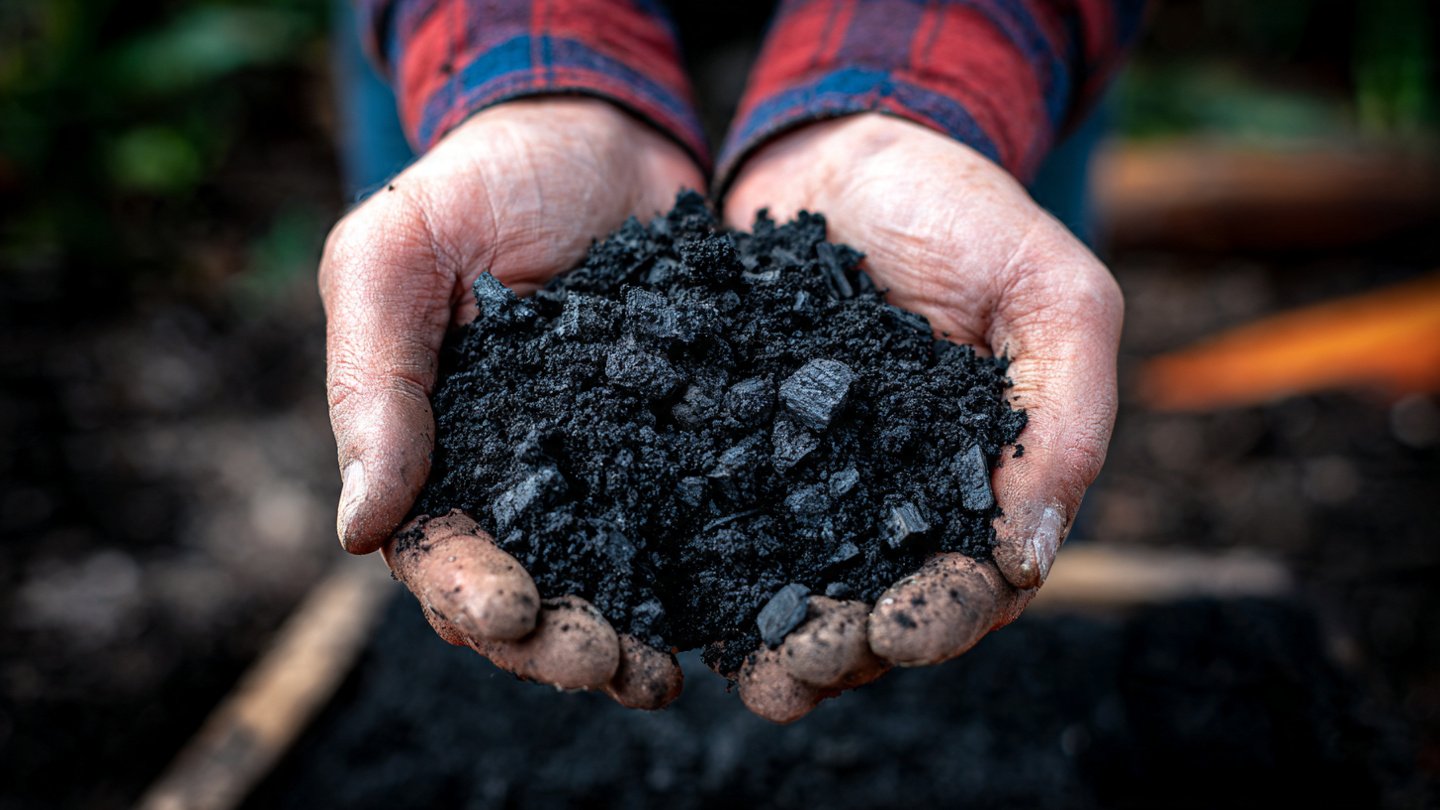
Gardeners and horticulturists are constantly searching for sustainable ways to improve soil health, boost plant growth, and increase yields. One innovative solution gaining attention worldwide is biochar—a form of charcoal produced from organic materials through a process called pyrolysis. Biochar is not just another soil additive; it is a soil-enhancing powerhouse that can fundamentally transform your garden soil for the better. In this comprehensive guide, we explore how biochar works, its benefits, application methods, and long-term impacts on garden ecosystems.
Understanding Biochar
Biochar is a highly porous, carbon-rich substance created by heating organic materials—such as wood chips, crop residues, or manure—in an oxygen-limited environment. This process, called pyrolysis, prevents the material from combusting completely, resulting in a stable form of carbon. Unlike regular charcoal, biochar is designed for soil amendment, where its structure and chemistry can improve soil properties, store carbon, and support microbial life.
The unique structure of biochar is what sets it apart. Its porous nature allows it to hold water, nutrients, and beneficial microbes. Essentially, biochar acts like a sponge, storing resources in the soil and making them available to plants over time. This makes it especially valuable in both nutrient-poor and water-challenged soils.
How Biochar Improves Soil Fertility
One of the primary ways biochar transforms garden soil is by enhancing fertility. The porous structure of biochar retains essential nutrients, preventing them from leaching away during heavy rains or frequent watering. Nutrients such as nitrogen, potassium, and phosphorus are held within the biochar pores, available to plant roots when needed.
Additionally, biochar creates an environment conducive to beneficial microorganisms. These microbes help break down organic matter, release nutrients, and suppress harmful pathogens. By promoting a healthy microbial ecosystem, biochar indirectly improves nutrient cycling and plant growth.
Over time, biochar can also influence soil pH. Many types of biochar are slightly alkaline, which can help neutralize acidic soils. This creates a more balanced environment for most garden plants, which prefer a neutral to slightly acidic pH. For gardeners dealing with acidic soils, such as those common in certain regions, biochar provides a dual benefit: nutrient retention and pH correction.
Enhancing Soil Structure
Beyond fertility, biochar dramatically improves soil structure. Its porous, lightweight particles increase soil aeration, allowing roots to penetrate more easily and access oxygen. Improved soil structure reduces compaction and promotes better drainage, which is essential for preventing root rot and other water-related plant diseases.
Biochar also contributes to long-term soil stability. Unlike other organic amendments that decompose quickly, biochar remains stable for decades, gradually integrating into the soil matrix. This creates a lasting improvement in soil texture and reduces the need for frequent amendments. Gardeners who use biochar often report improved root development, healthier plants, and more resilient soil over time.
Water Retention and Drought Resistance
Another significant benefit of biochar is its ability to retain water. The porous structure can hold large amounts of moisture, releasing it slowly to plant roots during dry periods. This is especially valuable in drought-prone regions or during summer months when water conservation is a priority.
By improving water retention, biochar reduces irrigation requirements, saving time, energy, and water. Plants grown in biochar-amended soil are more drought-resistant, maintaining growth and fruit production even under challenging conditions. In sandy soils, where water drains quickly, biochar can make a dramatic difference in moisture availability.
Carbon Sequestration and Environmental Benefits
Biochar also offers significant environmental benefits. Because it is a stable form of carbon, incorporating biochar into soil effectively locks carbon away for decades, helping mitigate climate change. When organic matter decomposes naturally, it releases carbon dioxide into the atmosphere. Pyrolysis converts this material into biochar, preventing immediate carbon release.
Additionally, biochar can reduce greenhouse gas emissions from soil. Studies show that biochar-amended soils release less nitrous oxide, a potent greenhouse gas, compared to untreated soils. By improving nutrient retention, biochar reduces the need for chemical fertilizers, which are often associated with high carbon emissions during production.
Application Methods for Your Garden
Applying biochar to your garden requires some planning to maximize its benefits. Here’s how to do it effectively:
- Activation Before Use: Biochar should be “charged” or activated before application. Fresh biochar can initially absorb nutrients from the soil, temporarily depriving plants. To prevent this, mix biochar with compost, manure, or a nutrient solution for several days before adding it to your garden. This pre-loading ensures it contributes nutrients instead of removing them.
- Mixing with Soil: Incorporate biochar into the top 6–12 inches of soil during planting or soil preparation. This ensures that plant roots can access its benefits immediately. For new garden beds, mix biochar with compost to create a nutrient-rich, moisture-retentive soil medium.
- Top Dressing: For established gardens, biochar can be applied as a top dressing around plants or trees. Over time, natural soil processes and rain will integrate the biochar into the soil.
- Composting with Biochar: Biochar can also be added to compost piles. Its porous structure improves aeration, accelerates decomposition, and enhances the microbial activity in the compost. The resulting biochar-enriched compost is highly effective when added to garden soil.
Plant-Specific Benefits
Biochar benefits a wide range of plants, from vegetables to fruit trees and ornamental flowers. For vegetable gardens, biochar improves yield, size, and flavor of crops by enhancing nutrient availability and soil moisture. Fruit trees benefit from stronger root systems, improved drought resilience, and increased fruit production. Flowering plants often show more vibrant blooms and prolonged flowering periods due to the better water and nutrient supply.
For lawns, biochar can reduce compaction, improve drainage, and promote healthy grass growth. Even potted plants can benefit when biochar is incorporated into potting mixes, helping retain moisture and nutrients in containers that tend to dry out quickly.
Longevity and Cost-Effectiveness
One of the most remarkable features of biochar is its longevity. Unlike compost or manure, which decompose within months, biochar can persist in soil for decades without losing its structure or functionality. This makes it a long-term investment in soil health.
Although biochar may seem costly initially, its durability, water-saving benefits, and improvement to soil fertility make it cost-effective in the long run. Gardeners often report reduced need for fertilizers, less frequent watering, and increased yields, offsetting the upfront investment.
Considerations and Best Practices
While biochar offers numerous benefits, proper use is essential. Avoid using unactivated biochar directly on plants, as it can temporarily lock nutrients. Choose biochar made from sustainable, non-toxic feedstocks to prevent introducing contaminants into your garden. Additionally, combine biochar with organic matter to enhance its effectiveness; using it alone may not provide maximum benefits.
It’s also important to match biochar particle size with soil type. Fine-grained biochar works well in clay soils, improving aeration and drainage, while coarser biochar is ideal for sandy soils to enhance water retention. Monitoring soil health and adjusting biochar application over time ensures the best results.
Transforming Your Garden Soil
In summary, biochar is a powerful tool for gardeners seeking to improve soil fertility, structure, water retention, and environmental sustainability. Its porous nature, nutrient-holding capacity, and support for beneficial microbes make it a game-changer for any garden soil. By incorporating biochar into your garden, you not only promote healthier plants and higher yields but also contribute to carbon sequestration and long-term ecological benefits.
Whether you have a vegetable patch, fruit trees, ornamental flowers, or a potted plant collection, biochar can transform your garden soil for the better. With proper activation, application, and integration into your soil management routine, biochar offers a sustainable, cost-effective, and scientifically proven way to enhance soil performance and resilience.