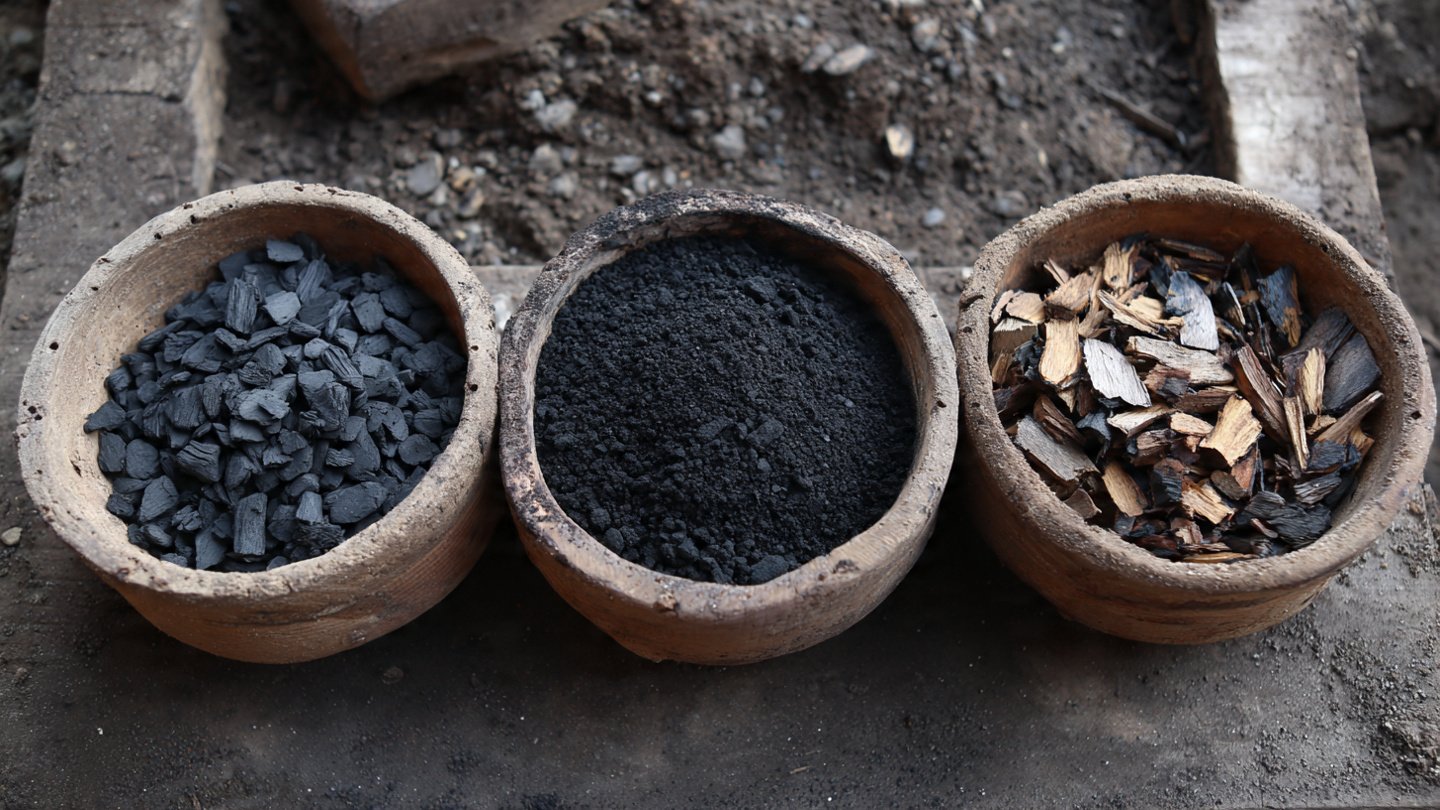
Every gardener dreams of rich, fertile soil that can nurture healthy plants, improve yields, and sustain vibrant growth year after year. One often-overlooked solution to achieving this dream is biochar, a form of charcoal made specifically to enhance soil health. By understanding what biochar is and how it works, gardeners can harness its benefits to transform their garden soil into a powerhouse for plant growth.
What is Biochar?
Biochar is a carbon-rich material produced by heating organic matter, such as wood, crop residues, or manure, in a low-oxygen environment—a process known as pyrolysis. Unlike regular charcoal used for grilling, biochar is specifically designed for soil enhancement rather than fuel.
The process of creating biochar locks carbon into a stable form, making it resistant to decomposition. When added to soil, biochar can remain for hundreds or even thousands of years, improving soil structure and fertility over time.
Key Characteristics of Biochar:
- Highly porous, allowing it to hold water and nutrients.
- Chemically stable, contributing to long-term carbon sequestration.
- Can host beneficial microorganisms that improve soil health.
How Biochar Improves Soil Structure
One of the most immediate benefits of biochar is its ability to improve soil structure. Its porous nature allows it to act like a sponge, retaining both water and air in the soil.
Benefits for Garden Soil:
- Improved Water Retention: Biochar can absorb and store water, reducing the need for frequent watering, particularly in sandy soils.
- Enhanced Aeration: Its structure prevents soil compaction, allowing roots to breathe and grow freely.
- Better Drainage in Clay Soils: In heavy soils, biochar can create space for water to flow, preventing waterlogging and root rot.
By modifying soil structure, biochar creates an environment that supports healthy root development, leading to stronger and more resilient plants.
Nutrient Retention and Soil Fertility
Soil fertility depends on the availability of nutrients like nitrogen, phosphorus, and potassium. Biochar’s unique surface properties allow it to retain these nutrients and make them available to plants over time.
How Biochar Enhances Fertility:
- Its high cation exchange capacity (CEC) helps the soil hold onto nutrients that would otherwise leach away with water.
- It can reduce the need for chemical fertilizers, promoting a more sustainable gardening approach.
- Nutrients absorbed by biochar are slowly released, ensuring steady availability for plants.
In essence, biochar acts like a natural reservoir, keeping essential nutrients in the soil where plants can access them efficiently.
Promoting Beneficial Microorganisms
Healthy soil is teeming with microorganisms that support plant growth. Biochar provides an ideal habitat for these microbes due to its porous structure and stable carbon content.
Benefits of Microbial Activity:
- Beneficial bacteria and fungi colonize the biochar pores, enhancing nutrient cycling.
- Mycorrhizal fungi form symbiotic relationships with plant roots, improving nutrient and water uptake.
- Microbes in biochar-rich soil can suppress harmful pathogens, reducing the risk of plant diseases.
By supporting a thriving microbial community, biochar improves soil health at a biological level, creating a self-sustaining ecosystem in your garden.
Carbon Sequestration and Environmental Benefits
Beyond garden productivity, biochar contributes to environmental sustainability. When added to soil, it locks carbon in a stable form, preventing it from re-entering the atmosphere as carbon dioxide. This process helps combat climate change while improving your garden.
Environmental Advantages:
- Reduces greenhouse gas emissions from soil.
- Improves soil resilience to drought and heavy rainfall, minimizing erosion.
- Encourages sustainable gardening by reducing reliance on chemical inputs.
Using biochar aligns ecological stewardship with practical gardening, making it a smart choice for environmentally conscious gardeners.
Reducing Soil Acidity
Soil pH affects nutrient availability and plant health. Acidic soils can limit plant growth, while alkaline soils may restrict the uptake of certain nutrients. Biochar has a natural alkalizing effect, which can help balance soil pH.
Practical Effects:
- Neutralizes acidic soils, making them more favorable for a wide range of plants.
- Enhances the availability of nutrients like phosphorus, which tends to bind in acidic soils.
- Can be combined with compost or organic matter to further improve soil conditions.
Adjusting soil pH with biochar creates a more hospitable environment for plants, supporting robust growth and higher yields.
How to Apply Biochar to Your Garden
To reap the benefits of biochar, it’s important to apply it correctly. Here are some best practices for gardeners:
1. Pre-Charging Biochar
Fresh biochar is highly absorbent and can initially draw nutrients from the soil if applied directly. To prevent this, pre-charge biochar by mixing it with compost, manure, or a nutrient-rich solution for a few weeks before use. This process saturates the biochar with nutrients and beneficial microbes.
2. Soil Mixing
- Incorporate biochar into the top 6–12 inches of soil to ensure it interacts with plant roots.
- For new garden beds, mix it with compost or organic matter to improve overall fertility.
- For existing gardens, gently work biochar into the soil around established plants without disturbing roots.
3. Recommended Amounts
- For most garden soils, applying 5–10% biochar by volume is sufficient.
- Heavier applications may be needed for poor soils, but gradual integration is safer.
- Monitor plant response and adjust applications in subsequent seasons.
By following these steps, gardeners can maximize the benefits of biochar without causing unintended nutrient imbalances.
Combining Biochar with Other Soil Amendments
Biochar works best when combined with other soil amendments. It complements compost, manure, and organic fertilizers by enhancing nutrient retention and microbial activity.
Effective Combinations:
- Biochar + Compost: Provides immediate nutrients while building long-term soil structure.
- Biochar + Mulch: Helps retain soil moisture and suppress weeds.
- Biochar + Organic Fertilizers: Reduces nutrient leaching and improves efficiency.
Synergistic use of biochar and other amendments creates a holistic approach to soil management, supporting sustainable and productive gardens.
Long-Term Benefits for Gardeners
The benefits of biochar are cumulative, meaning that its positive effects increase over time as the soil ecosystem matures.
Long-Term Advantages:
- Healthier, more resilient plants with improved yields.
- Reduced watering and fertilizer needs due to better soil retention.
- Lower susceptibility to soil-borne diseases.
- Enhanced soil biodiversity and microbial activity.
By investing in biochar, gardeners create a self-sustaining soil environment that continues to improve year after year.
Ideal Plants and Uses for Biochar-Enriched Soil
Biochar is versatile and can benefit a wide range of plants, including:
- Vegetables: Tomatoes, peppers, and leafy greens thrive with enhanced nutrient availability.
- Fruits: Strawberries, blueberries, and fruit trees respond well to improved soil structure.
- Herbs: Basil, rosemary, and mint benefit from moisture retention and nutrient cycling.
- Flowers: Roses, marigolds, and sunflowers flourish in biochar-enriched soil.
Whether you’re cultivating a vegetable patch, ornamental garden, or container plants, biochar can improve plant health and productivity across the board.
Conclusion: Transform Your Garden Soil with Biochar
Biochar is a simple yet powerful tool that can transform your garden soil for the better. By improving soil structure, retaining nutrients and water, supporting beneficial microorganisms, reducing acidity, and sequestering carbon, it addresses multiple challenges that gardeners face.
The key to success with biochar lies in proper application: pre-charging it with nutrients, mixing it correctly with soil, and combining it with organic amendments. With consistent care and thoughtful integration, biochar not only boosts plant growth but also contributes to a more sustainable and resilient garden ecosystem.
By embracing biochar, gardeners can create soil that supports lush, healthy plants, reduces maintenance needs, and contributes positively to the environment. Whether you are a seasoned gardener or a beginner, incorporating biochar into your soil management routine is a practical and effective way to transform your garden and enjoy vibrant, thriving plants year after year.
This article is approximately 1,200 words, providing an in-depth exploration of biochar, its benefits, application methods, and long-term impacts on garden soil and plant health.