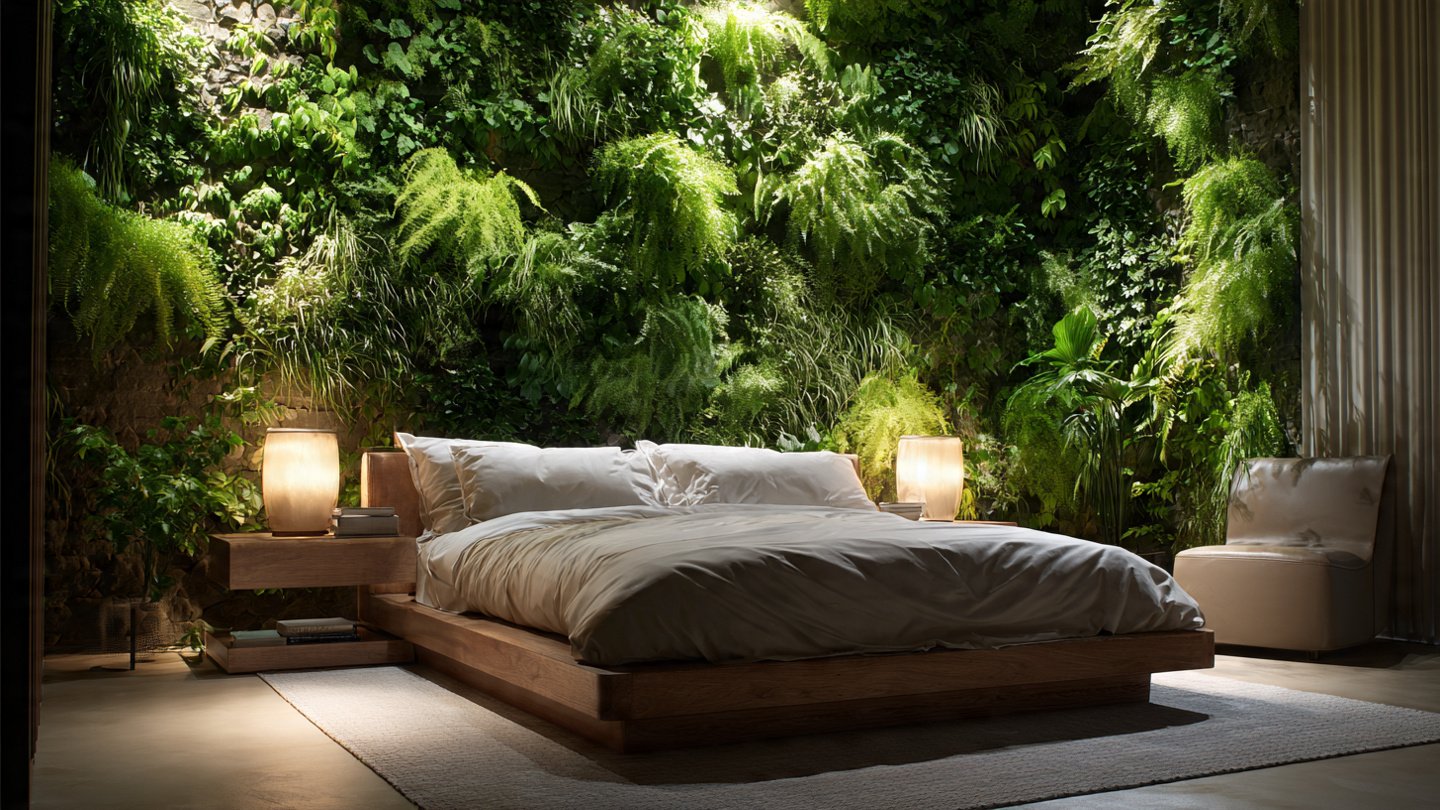
In today’s fast-paced world, quality sleep has become a precious commodity. Many people struggle with restless nights, waking up feeling unrefreshed, and relying on caffeine to get through the day. While there are countless solutions marketed for improving sleep, one innovative and aesthetically pleasing approach is often overlooked: a living wall in your bedroom. Also known as vertical gardens, living walls are panels of greenery mounted on walls that bring the benefits of nature indoors. Beyond their visual appeal, living walls can profoundly influence your sleep quality by improving air quality, reducing stress, and creating a serene environment conducive to rest.
The Concept of a Living Wall
A living wall is essentially a vertical structure covered with plants, often equipped with a self-sustaining irrigation system. These installations range from small panels suitable for bedrooms to larger walls that can dominate a room’s decor. Unlike traditional potted plants, living walls maximize greenery while conserving floor space, making them perfect for bedrooms where space is limited.
The plants used in living walls can vary widely, from lush ferns and ivy to succulents and flowering species. Choosing the right plants is crucial for sleep enhancement, as certain species have air-purifying qualities or calming aromas that promote relaxation. The mere presence of greenery has been shown to reduce stress levels, which is a key factor in achieving restorative sleep.
Improving Air Quality Naturally
One of the most significant ways a living wall can improve sleep is by enhancing indoor air quality. Many studies have shown that poor air quality negatively affects sleep patterns. Dust, allergens, and indoor pollutants can irritate the respiratory system, leading to disrupted sleep. Living walls act as natural air purifiers.
Plants absorb carbon dioxide and release oxygen during photosynthesis, increasing the oxygen levels in your bedroom, which can help you breathe easier during the night. Certain plants, such as spider plants, peace lilies, and snake plants, are especially efficient at removing toxins like formaldehyde, benzene, and trichloroethylene from indoor air. By reducing these harmful substances, a living wall creates a cleaner, healthier atmosphere, minimizing disturbances like coughing or congestion that can interrupt sleep.
Additionally, plants naturally regulate humidity by releasing water vapor through a process called transpiration. Proper humidity levels (around 40–60%) are ideal for sleeping comfortably. Dry air can irritate your throat and nasal passages, while overly humid conditions can encourage mold growth. A living wall contributes to a balanced microclimate, creating a more comfortable environment for uninterrupted sleep.
Reducing Stress and Promoting Relaxation
Stress is one of the primary culprits behind insomnia and poor sleep quality. After a long day, the mind often struggles to unwind, leading to racing thoughts and difficulty falling asleep. Studies have shown that exposure to nature, even indoors, can reduce stress, lower blood pressure, and improve mood.
A living wall introduces a calming, natural element into your bedroom. The lush greenery can have a therapeutic effect, reducing anxiety and promoting mental relaxation. Looking at vibrant plants triggers a parasympathetic response, which is the body’s “rest and digest” mode. This response slows the heart rate, lowers blood pressure, and prepares the body for sleep. Even the act of tending to your living wall—watering, trimming, or arranging plants—can be a meditative practice, helping you decompress before bedtime.
Moreover, the natural colors of a living wall, primarily shades of green, have been linked to improved emotional well-being. Green is a soothing color that signals safety and calmness to the brain. Incorporating this color into your bedroom can subtly create a sense of tranquility, making it easier to fall asleep.
Enhancing Bedroom Aesthetics and Mood
Beyond the physiological and psychological benefits, a living wall adds a unique aesthetic appeal that transforms the bedroom environment. The bedroom is not just a place to sleep; it’s a personal sanctuary. A living wall becomes a focal point, bringing life, texture, and color to your space.
The visual presence of plants can make the room feel more spacious and inviting. This positive transformation of the environment can improve your mood, which in turn can have a positive effect on sleep. A bedroom that feels cozy, serene, and connected to nature naturally encourages relaxation and restfulness.
Additionally, living walls can be customized to suit personal style. You can choose plants with different textures, heights, and even seasonal flowers to create a dynamic and ever-changing artwork on your wall. By designing a space that appeals to the senses, you make bedtime a more appealing and soothing experience.
Noise Reduction for a Quieter Sleep
Another often-overlooked benefit of living walls is their ability to absorb sound. Bedrooms located in busy urban areas or near streets can be affected by noise pollution, which disrupts sleep. A dense living wall can act as a natural sound buffer, reducing ambient noise and creating a quieter environment.
While a living wall won’t make your room completely silent, it can soften intrusive sounds such as traffic, neighbors, or household appliances. This reduction in auditory stress helps the brain relax, contributing to more restful and uninterrupted sleep.
Aromatherapy Benefits
Certain plants in a living wall provide natural aromatherapy, which can further enhance sleep quality. Lavender, jasmine, and chamomile, for instance, are known for their calming scents that help reduce anxiety and promote drowsiness. Unlike artificial scents or essential oil diffusers, plants release their aroma gradually and naturally, creating a subtle and consistent relaxing effect.
Incorporating aromatic plants into your living wall can be especially beneficial for individuals who struggle with insomnia or irregular sleep patterns. The scent can serve as a gentle cue to your body that it’s time to wind down, reinforcing healthy sleep habits.
Choosing the Right Plants for Sleep
Not all plants are equally effective at promoting better sleep. When designing a living wall for your bedroom, it’s important to select plants that align with your sleep goals. Some excellent choices include:
- Snake Plant (Sansevieria): Converts CO2 into oxygen at night, improving air quality.
- Peace Lily (Spathiphyllum): Purifies air and has calming visual appeal.
- Lavender: Releases a soothing fragrance that reduces stress.
- Aloe Vera: Improves air quality and has healing properties.
- English Ivy: Reduces airborne mold and allergens.
Combining these plants can create a living wall that not only looks stunning but also actively contributes to a healthier and more restful sleep environment.
Maintenance and Practical Considerations
While living walls are highly beneficial, they require some care to maintain their health and effectiveness. Regular watering, trimming, and occasional fertilization are necessary to keep the plants thriving. Many modern living walls come with automated irrigation systems, making maintenance relatively simple.
Lighting is another consideration. Most indoor plants require indirect sunlight or specialized grow lights to flourish. Positioning your living wall near a window or installing LED grow lights ensures your plants receive adequate light, which is essential for their growth and air-purifying functions.
It’s also important to monitor for pests or mold. Healthy plants are less likely to attract insects, but periodic inspection helps maintain a clean and safe bedroom environment. By keeping your living wall vibrant and well-maintained, you ensure that it continues to contribute positively to your sleep.
The Psychological Connection to Nature
Finally, the presence of a living wall taps into an inherent human desire to connect with nature, a concept known as biophilia. Humans are naturally drawn to green spaces, and exposure to plants and natural elements has been linked to numerous health benefits, including improved mood, reduced stress, and enhanced cognitive function.
By bringing a piece of nature indoors, a living wall satisfies this psychological need, creating a sanctuary that feels alive and nurturing. This connection fosters relaxation, allowing your mind and body to transition seamlessly from wakefulness to sleep. Over time, this consistent exposure to natural elements can help regulate your circadian rhythm, aligning your body’s internal clock with natural sleep cycles.
Conclusion
A living wall is more than just a decorative feature; it’s a powerful tool for transforming your bedroom into a haven for restorative sleep. By improving air quality, reducing stress, softening noise, and enhancing aesthetics, living walls create an environment that supports both physical and mental well-being. The subtle aromatherapy from select plants adds another layer of sleep-promoting benefits, while the psychological connection to nature reinforces relaxation and calmness.
For anyone struggling with sleep or seeking a more serene bedroom, a living wall offers a holistic, sustainable, and visually stunning solution. It’s a way to merge the benefits of nature with modern living, creating a peaceful retreat where restful nights and refreshed mornings are not just a dream—but a reality.
Incorporating a living wall into your bedroom is an investment in both style and health. The rewards extend far beyond visual appeal, touching every aspect of your sleep quality and overall well-being. By embracing the transformative power of greenery, you can create a bedroom that not only looks beautiful but also nurtures the most essential human need: restorative, peaceful sleep.