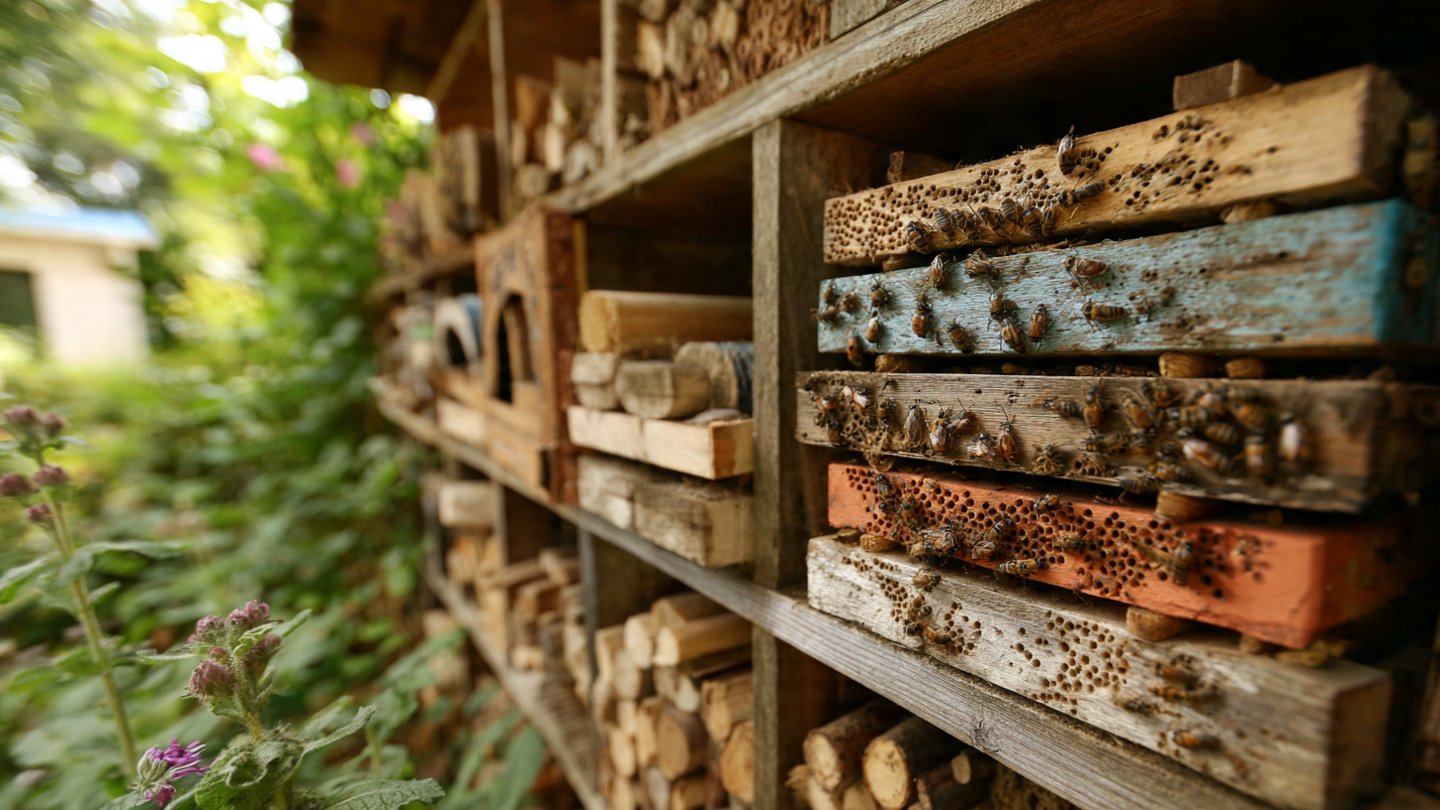
Summer can be a challenging time for gardeners. High temperatures, prolonged sunlight, and reduced rainfall often put stress on plants, making them more vulnerable to pests, diseases, and nutrient deficiencies. While watering, mulching, and shade cloths are common strategies to protect your garden, another increasingly popular and eco-friendly solution is the bug hotel. These small structures may seem simple, but they can have a profound impact on the health, resilience, and productivity of your garden during hot summer months.
Understanding the Concept of a Bug Hotel
A bug hotel, also known as an insect hotel or insect house, is a constructed habitat designed to attract and shelter beneficial insects. Unlike pests that damage plants, beneficial insects play vital roles in maintaining a balanced ecosystem. They pollinate flowers, prey on harmful insects, and help decompose organic matter, all of which are critical to a thriving garden.
Bug hotels can vary in size and complexity, from a simple wooden box filled with straw and twigs to elaborate multi-level structures incorporating bamboo tubes, pinecones, logs, and drilled wooden blocks. The key idea is to provide a safe, cool, and sheltered space where insects can rest, breed, and overwinter.
By offering refuge during periods of intense heat, bug hotels support populations of beneficial insects that help your garden flourish when plants are most stressed.
Beneficial Insects That Thrive in Bug Hotels
The primary occupants of bug hotels include a variety of insects that each contribute uniquely to your garden’s well-being. Some of the most common and useful guests are:
- Solitary Bees – These non-aggressive bees are excellent pollinators. By providing tubes and small cavities in a bug hotel, you encourage them to nest and ensure efficient pollination of fruits, vegetables, and flowering plants.
- Ladybugs – Ladybugs are voracious predators of aphids, mites, and other soft-bodied pests. By hosting them, you reduce the need for chemical pesticides.
- Lacewings – Lacewing larvae feed on pests like aphids, thrips, and whiteflies, helping to protect your plants during summer heat when infestations can spike.
- Beetles and Ground-Dwelling Insects – Certain beetles and other insects help aerate soil, recycle nutrients, and decompose organic matter.
- Spiders – Although often misunderstood, spiders are important predators of harmful insects, reducing overall pest pressure in your garden.
By attracting and sheltering these insects, a bug hotel creates a self-sustaining ecosystem that protects your garden from summer stressors.
How Bug Hotels Protect Your Garden in Summer Heat
1. Providing Shelter from Extreme Temperatures
High summer temperatures can be deadly for many insects. Without shade or refuge, beneficial insects may leave your garden or die, reducing pollination and natural pest control. Bug hotels offer insulated, shaded spaces where insects can escape the heat. Materials like straw, bamboo, and wood retain moisture and moderate temperature swings, helping resident insects survive even during prolonged heatwaves.
2. Supporting Pollination
Pollination is essential for fruit and vegetable production. Summer heat can reduce flower viability and deter pollinators from visiting plants. By housing solitary bees and other pollinators in bug hotels, you ensure that these vital insects are close to your crops. Consistent pollination leads to better fruit set, larger yields, and more abundant flowers, even under challenging summer conditions.
3. Encouraging Natural Pest Control
Summer stress often leaves plants more susceptible to pests like aphids, whiteflies, and spider mites. Bug hotels attract predators like ladybugs, lacewings, and spiders, creating a natural defense system that reduces the need for chemical interventions. These beneficial insects thrive in the shelter of a bug hotel and venture out into your garden to hunt, keeping pest populations in check.
4. Maintaining Biodiversity and Garden Balance
A thriving garden is an ecosystem. When beneficial insects are present, they help maintain balance by controlling pests, aiding in pollination, and contributing to soil health. A bug hotel ensures that insect populations remain diverse, which improves the resilience of your garden against environmental stresses like heat, drought, and disease.
5. Enhancing Soil Health
Certain insects that inhabit bug hotels, such as beetles and decomposers, help break down organic matter and aerate the soil. Their activity promotes nutrient cycling, improves soil structure, and enhances water retention—critical benefits during the dry summer months. Healthy soil supports vigorous plant growth and helps your garden withstand heat stress.
Designing an Effective Bug Hotel
The success of a bug hotel depends on thoughtful design and placement. Here are some key factors to consider:
1. Structure and Materials
Use natural, untreated materials such as:
- Bamboo tubes and hollow stems for solitary bees
- Straw, hay, or dried leaves for ladybugs and lacewings
- Logs and branches with drilled holes for beetles and solitary bees
- Pinecones and bark to provide additional hiding spaces
Avoid synthetic materials, treated wood, or toxic substances that could harm insects.
2. Size and Compartments
A multi-compartment design works best, as it allows different species to occupy spaces suited to their needs. Include small tubes for solitary bees, open cavities for beetles, and soft nesting material for ladybugs. This ensures that a variety of beneficial insects can coexist in the same hotel.
3. Location and Orientation
Place your bug hotel in a sheltered, sunny location with some shade during the hottest part of the day. A south-facing position ensures warmth and promotes activity, while protection from wind and rain increases survival rates. Elevate the hotel slightly above ground to reduce flooding risk and protect insects from predators.
4. Maintenance
Bug hotels require minimal maintenance, but occasional checks are important. Remove moldy or wet materials, refresh nesting substrates annually, and monitor for unwanted pests. This ensures a safe, comfortable environment that encourages beneficial insects to return year after year.
Additional Strategies to Support Insects During Summer
While a bug hotel is highly effective, combining it with other strategies maximizes benefits:
- Plant Heat-Tolerant Flowers – Provide nectar and pollen sources for pollinators, especially during peak summer heat. Plants like lavender, sunflowers, and coneflowers attract bees and butterflies.
- Water Sources – A shallow dish with water and pebbles allows insects to hydrate without drowning.
- Mulching – Mulch moderates soil temperature and retains moisture, helping insects and plants survive hot weather.
- Avoid Pesticides – Chemical sprays can harm beneficial insects. Use organic alternatives or integrated pest management to protect them.
Combining these strategies with a bug hotel creates a resilient, thriving garden even during the hottest months.
Case Studies: Gardens That Benefit From Bug Hotels
Several urban and suburban gardens have demonstrated remarkable results after installing bug hotels. In one community garden, the introduction of insect hotels increased pollinator activity by 40%, resulting in higher yields of tomatoes, peppers, and cucumbers. Another home gardener observed fewer aphids on roses and squash after placing a bug hotel nearby, thanks to increased ladybug and lacewing populations. These real-world examples highlight the tangible impact of providing shelter for beneficial insects during summer heat.
Educational and Aesthetic Benefits
Bug hotels are not just functional—they are also educational and visually appealing. Children and adults alike can observe insect behavior, learning about pollination, natural pest control, and biodiversity. Additionally, well-designed bug hotels can be a decorative element in your garden, combining functionality with visual interest.
Conclusion
Summer heat poses significant challenges for gardeners, from reduced pollination to increased pest pressure and plant stress. A bug hotel offers a sustainable solution by providing shelter and nesting sites for beneficial insects. By attracting pollinators like solitary bees and natural predators like ladybugs and lacewings, bug hotels enhance garden resilience, improve yields, and support biodiversity.
Proper design, placement, and maintenance ensure that a bug hotel becomes a permanent feature that helps your garden thrive year after year. Combined with complementary strategies such as heat-tolerant plants, water sources, and mulching, a bug hotel can turn even the hottest, driest summer garden into a flourishing, balanced ecosystem.
Ultimately, a bug hotel is more than a structure—it is an investment in your garden’s health, productivity, and sustainability. By nurturing beneficial insects, gardeners can create a thriving summer oasis, ensuring that plants and pollinators alike flourish despite rising temperatures.