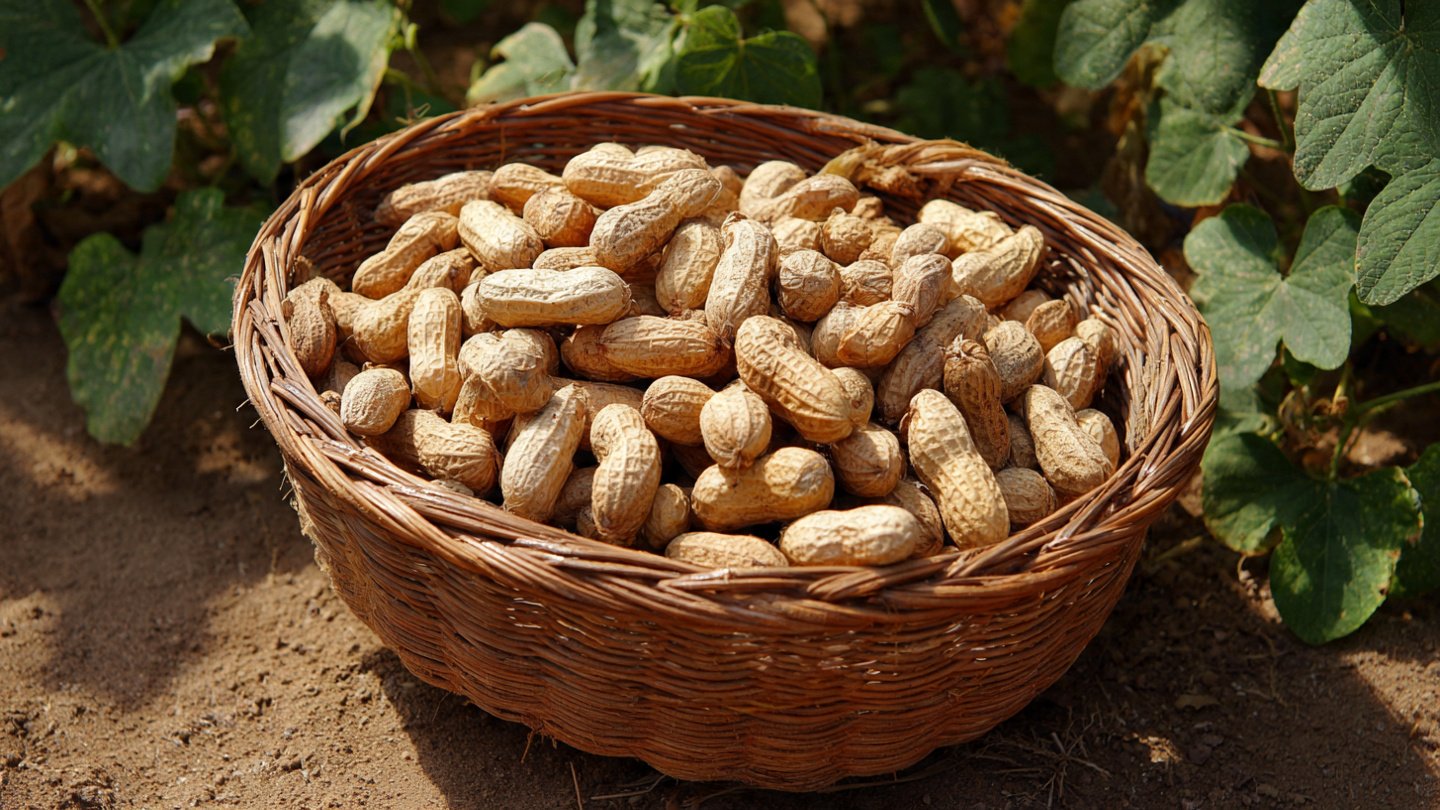
Peanuts, also known as groundnuts, are a versatile legume enjoyed worldwide as a snack, in cooking, and for making peanut butter. While traditionally grown on farms or large plots of land, it’s entirely possible to cultivate peanuts at home—even if you don’t have a garden or farmland. With the right techniques, containers, and care, you can grow a healthy peanut crop right on your balcony, patio, or even indoors, and harvest a basketful of fresh peanuts. This guide provides proven tips to help you grow peanuts successfully at home.
Understanding Peanut Plants
Peanuts (Arachis hypogaea) are unique because, unlike most nuts, they grow underground. The plant produces yellow flowers above ground, which after pollination, develop “pegs” that push into the soil to form peanut pods. This means that peanuts require loose, well-draining soil and space for underground development. They are warm-season crops, thriving in temperatures between 70°F and 85°F (21°C–29°C) and needing 4–5 months to mature fully.
Although peanuts are associated with farms, they are actually compact plants that can adapt well to container gardening or raised beds, making them perfect for home growers with limited space.
Choosing the Right Peanut Variety
Selecting the appropriate peanut variety is crucial for a successful home harvest. Common types suitable for container or small-space growing include:
- Virginia – Large nuts, commonly roasted or boiled.
- Valencia – Sweet flavor, often used for homemade peanut butter.
- Spanish – Small kernels with a robust flavor, ideal for snacks.
- Runner – Popular for commercial peanut butter production but can adapt to home containers.
When choosing seeds, make sure to buy raw, untreated peanuts meant for planting, not roasted or salted ones from the store. Store-bought peanuts may not germinate effectively due to heat treatment or additives.
Preparing Containers and Soil
For home gardening, containers are essential. You can use large pots, grow bags, or even plastic tubs with drainage holes. Each container should be at least 12–16 inches deep to allow the pegs to penetrate the soil and form pods.
Peanuts prefer loose, sandy, and well-draining soil with a slightly acidic to neutral pH (6.0–7.0). To enrich the soil, mix in compost or well-rotted organic matter. Avoid compacted or clay-heavy soil, which can stunt underground growth and increase the risk of rot.
Planting Peanut Seeds
- Soak the Seeds: Soak raw peanut seeds in water for 6–8 hours before planting. This softens the shell and speeds up germination.
- Planting Depth: Plant each seed 1–2 inches deep with the pointy end facing down.
- Spacing: If planting multiple seeds in a container, leave 4–6 inches between them to allow room for branching and pod development.
After planting, water lightly to settle the soil without causing waterlogging. Maintain soil warmth, ideally between 70°F and 80°F, for successful germination. Seeds typically sprout within 7–10 days.
Providing Optimal Sunlight
Peanuts are sun-loving plants. Place your containers in a location that receives 6–8 hours of direct sunlight daily. For indoor growers, supplement natural light with grow lights if necessary. Adequate sunlight encourages vigorous growth, flowering, and ultimately a higher yield of peanuts.
Watering and Care
Peanuts need consistent moisture, especially during flowering and pod formation. Water the plants deeply once or twice a week, allowing the top inch of soil to dry slightly between waterings. Avoid overwatering, which can cause fungal diseases and rot.
Mulching around the base of the plant can help retain soil moisture, regulate temperature, and reduce weed growth in containers. Additionally, lightly hilling soil around the base after flowering can encourage more peg penetration and better pod development.
Fertilizing for Maximum Yield
Peanuts are legumes, which means they can fix nitrogen from the air with the help of beneficial bacteria in their roots. This reduces the need for heavy nitrogen fertilization. However, they do benefit from phosphorus and potassium for root and pod development.
Use a balanced, low-nitrogen fertilizer or add bone meal or wood ash to the soil at planting. During the growing season, you can supplement with compost tea or liquid organic fertilizers every 3–4 weeks to support strong growth and abundant flowering.
Managing Pests and Diseases
Even in container gardening, peanuts can face pests such as aphids, caterpillars, or spider mites. Monitor plants regularly and use natural pest control methods like neem oil, insecticidal soap, or introducing beneficial insects like ladybugs.
Fungal diseases like leaf spot or damping-off can occur if soil stays too wet or airflow is poor. Proper watering, spacing, and container placement can prevent most issues. Remove affected leaves promptly to stop the spread of disease.
Encouraging Full Bloom and Pod Formation
The key to harvesting a full basket of peanuts is to ensure your plants flower and develop pods abundantly. After about 30–40 days, peanut plants begin to flower. Once the flowers fade, “pegs” develop and grow downward into the soil to form peanuts underground.
To encourage full bloom and pod formation:
- Ensure consistent sunlight and warmth during flowering.
- Avoid excessive nitrogen fertilization, which can promote leafy growth instead of flowering.
- Water regularly but avoid waterlogging to prevent peg rot.
By following these practices, you maximize the number of flowers and pegs, which directly impacts your peanut yield.
Harvesting Peanuts at Home
Peanuts are typically ready to harvest 4–5 months after planting, depending on the variety and growing conditions. Signs that peanuts are mature include:
- Yellowing leaves on the plant.
- Peanuts inside the soil reaching their expected size.
To harvest:
- Gently loosen the soil around the base with a trowel.
- Lift the entire plant and shake off excess soil.
- Hang the plants upside down in a dry, ventilated area to cure for 2–3 weeks.
After curing, remove the peanuts from the roots. At home, this can yield a surprising amount, often enough to fill a small basket, even when grown in containers.
Tips for Success in Limited Space
- Choose dwarf or compact varieties if space is tight.
- Use large containers with deep soil to accommodate peg growth.
- Rotate containers or move plants outdoors to maximize sunlight exposure.
- Extend the growing season with indoor planting or grow lights in cooler climates.
- Practice patience—peanuts take several months to mature but are worth the wait.
With proper care and attention, even gardeners without a traditional plot of land can enjoy a bountiful harvest of fresh peanuts.
Enjoying Homegrown Peanuts
Freshly harvested peanuts are versatile. You can roast them at home, boil them in salted water for a southern-style treat, or grind them into fresh peanut butter. Homegrown peanuts are also free from chemical treatments, making them healthier and tastier than store-bought alternatives.
Additionally, growing peanuts in containers offers an educational and rewarding experience. Children and adults alike can observe the unique process of flowering, peg formation, and underground pod development—something rarely seen with other vegetables or nuts.
Conclusion
Growing peanuts at home without a garden or farmland is entirely possible with the right approach. By selecting suitable varieties, using containers with well-draining soil, providing consistent sunlight and watering, and managing care throughout the growing season, you can achieve healthy, full, and bushy plants. With attention to flowering, peg formation, and proper harvesting, it’s possible to collect a basketful of fresh peanuts from just a few containers.
Peanuts are more than a snack—they are a rewarding crop that teaches patience, observation, and sustainable gardening practices. Even in small spaces like balconies, patios, or indoor areas, you can enjoy the satisfaction of cultivating your own legume crop from start to finish. By following these proven tips, home gardeners can enjoy a productive peanut harvest and the unique pleasure of growing a crop usually reserved for farms right at home.
With dedication, proper care, and attention to detail, you can transform limited space into a productive peanut garden, providing fresh, homegrown peanuts for culinary use or simply enjoying the wonder of growing something extraordinary in a small, personal garden.