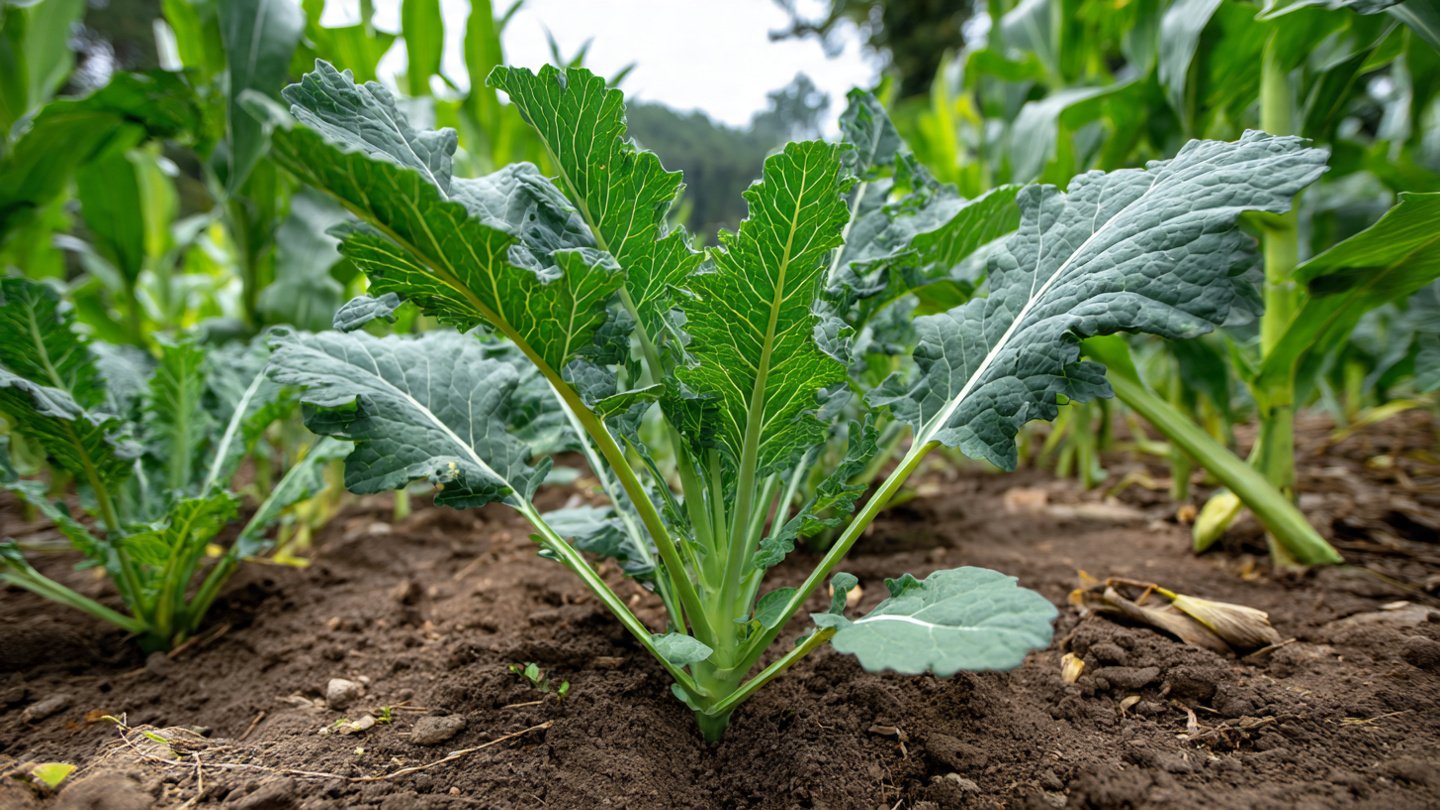
Companion planting is one of the oldest and most effective gardening strategies. By pairing certain plants together, gardeners can maximize yield, improve soil health, and even reduce pests naturally. One combination that is often overlooked but highly beneficial is planting kale in the shade of corn. This method leverages natural interactions between plants, creating microclimates, conserving moisture, and optimizing space in both small and large gardens. In this article, we’ll explore the science, practical benefits, and tips for growing kale in the shade of corn, helping you get more from your garden with less effort.
Understanding Kale and Corn
Kale is a nutrient-dense leafy green belonging to the Brassica family. It thrives in full sun but is also highly adaptable to partial shade. Kale prefers cooler temperatures and consistent moisture and is hardy enough to withstand some frost.
Corn, on the other hand, is a tall, sun-loving crop that can reach 6 to 10 feet depending on the variety. Corn grows best in full sun, rich soil, and well-drained conditions. Its height and broad leaves create natural shade that can protect lower-growing plants from excessive heat, especially during the warmer months.
When grown together, corn and kale can complement each other in multiple ways, creating a symbiotic planting arrangement that benefits both crops and the overall garden ecosystem.
The Concept of Companion Planting
Companion planting involves growing two or more crops in close proximity for mutual benefit. Benefits may include pest control, enhanced pollination, improved nutrient uptake, and microclimate creation. Historically, companion planting has been used in traditional agricultural systems, such as the “Three Sisters” method practiced by Native Americans, where corn, beans, and squash are planted together.
Planting kale in the shade of corn is a modern adaptation of this principle. By combining a tall, heat-tolerant plant like corn with a shade-tolerant leafy green like kale, gardeners can optimize vertical space while moderating temperature and soil moisture for the lower crop.
Benefits of Planting Kale in Corn Shade
1. Temperature Regulation
Kale grows best in cooler conditions and can struggle in excessive heat. Corn leaves provide partial shade, reducing direct sunlight exposure and lowering the surrounding temperature by several degrees. This natural cooling effect helps prevent kale from bolting early, extending the harvesting window.
2. Moisture Conservation
Corn leaves intercept rainfall and reduce evaporation from the soil beneath. This helps maintain consistent soil moisture for the kale roots, which is critical for tender leafy growth. Less frequent watering is needed, which is especially advantageous in regions with limited rainfall or for gardeners seeking water-efficient methods.
3. Pest and Disease Management
While corn may attract certain pests, it can also act as a physical barrier against wind-borne insects that might otherwise attack kale leaves. The shade can also reduce the incidence of sunburn on the kale, which may lead to weakened plants susceptible to disease. Additionally, the dense planting creates a more complex environment that can confuse pests and reduce damage.
4. Maximizing Garden Space
For gardeners with limited space, stacking crops vertically is essential. Corn naturally grows tall, leaving the lower portion of the garden shaded but usable. By planting kale beneath the corn, you make use of the space that might otherwise remain empty. This method increases overall yield per square foot without requiring additional garden area.
5. Soil Health and Microclimates
The combination of corn and kale creates a unique microclimate in the garden. The shaded soil tends to stay cooler and retain organic matter longer. Decomposing corn leaves and other mulch naturally improve soil fertility for the kale. Additionally, kale’s roots help loosen soil and improve aeration for corn plants, creating mutual benefits below the surface.
How to Plant Kale Under Corn
Proper planning is essential to ensure both crops thrive. Here are some tips for planting kale in corn shade effectively:
1. Timing
Plant kale early in the season or start seeds indoors to ensure young plants are established before the corn grows too tall. This helps the kale adapt gradually to increasing shade as the corn matures.
2. Spacing
Corn should be planted in blocks rather than single rows to provide stable stalk support and create consistent shade. Plant kale in the spaces between corn stalks, leaving at least 12 to 18 inches between kale plants to prevent overcrowding.
3. Soil Preparation
Both kale and corn are heavy feeders, requiring rich, well-draining soil. Amend soil with compost or aged manure to provide adequate nutrients. Side-dressing with nitrogen-rich fertilizer supports leafy kale growth, while balanced fertilizers help corn produce strong stalks and ears.
4. Sunlight Considerations
Kale requires at least partial sunlight. Ensure that corn planting is staggered or that sufficient sunlight filters through to the lower level. Varieties of corn with slightly shorter leaves or open canopy structures can allow more light penetration to the kale.
5. Mulching
Mulching around kale plants helps retain moisture, suppress weeds, and moderate soil temperature. Straw, shredded leaves, or grass clippings work well and complement the shade provided by corn, creating a favorable microenvironment.
6. Pest Monitoring
Monitor both crops for pests such as aphids, cabbage worms, and corn earworms. Companion planting with herbs like basil or flowers such as marigolds can help repel pests naturally. Integrated pest management strategies are essential for maintaining healthy intercropped gardens.
Potential Challenges
While planting kale in corn shade has many benefits, there are some potential challenges:
- Nutrient Competition – Corn and kale both require significant nutrients. Without adequate soil preparation, they may compete, resulting in slower growth or smaller yields.
- Watering Needs – Corn grows tall and may block rain from reaching kale. Supplemental watering may be needed, especially in dry periods.
- Air Circulation – Dense plantings can reduce airflow and increase humidity, which may promote fungal diseases. Careful spacing and pruning lower leaves help mitigate this risk.
- Timing Conflicts – Kale and corn have different maturation rates. Harvest planning is necessary to avoid damaging one crop while harvesting the other.
By anticipating these challenges, gardeners can implement strategies to ensure both crops thrive and complement each other.
Ideal Varieties for Intercropping
Certain kale and corn varieties perform better in intercropping systems:
- Kale Varieties: ‘Lacinato,’ ‘Winterbor,’ and ‘Red Russian’ are robust, heat-tolerant, and respond well to partial shade.
- Corn Varieties: Sweet corn and heirloom varieties with upright stalks and less dense foliage allow better light penetration for kale below.
Choosing compatible varieties increases the likelihood of success in this companion planting method.
Seasonal Considerations
Planting kale in corn shade works best in spring and early summer. Kale tolerates cooler temperatures and benefits from shade as temperatures rise. In regions with hot summers, planting kale in partial shade created by corn can extend the harvesting season and reduce stress on the plants.
For fall harvest, consider succession planting by starting kale in midsummer so that it matures under the still-growing corn or after corn is harvested. This method provides continuous leafy greens while maximizing space usage.
Beyond Kale: Other Shade-Tolerant Crops
Kale is not the only crop that benefits from corn shade. Other leafy greens and herbs, such as spinach, Swiss chard, arugula, cilantro, and lettuce, can also thrive under corn’s tall stalks. Experimenting with multiple shade-tolerant crops can increase diversity and productivity in your garden.
Conclusion
Planting kale in the shade of your corn is a smart, resourceful approach to gardening. This companion planting strategy leverages vertical space, conserves water, reduces heat stress, and improves overall productivity. With careful planning, proper soil preparation, and attention to spacing and sunlight, gardeners can enjoy abundant, healthy kale alongside a thriving corn crop.
This method is a practical example of how understanding plant interactions can transform a garden. By mimicking natural ecosystems and creating beneficial microclimates, you can grow more food in less space, reduce maintenance, and achieve better yields. For gardeners looking to maximize efficiency, improve sustainability, and enjoy fresh, homegrown produce, planting kale in the shade of corn is a strategy worth considering.
From the rich texture of kale leaves beneath tall corn stalks to the vibrant contrast of green layers in your garden, this intercropping technique adds both visual appeal and practical benefits. With the right varieties, timing, and care, your garden can produce abundant, nutritious greens and sweet corn while creating a harmonious, balanced planting system that works with nature, not against it.