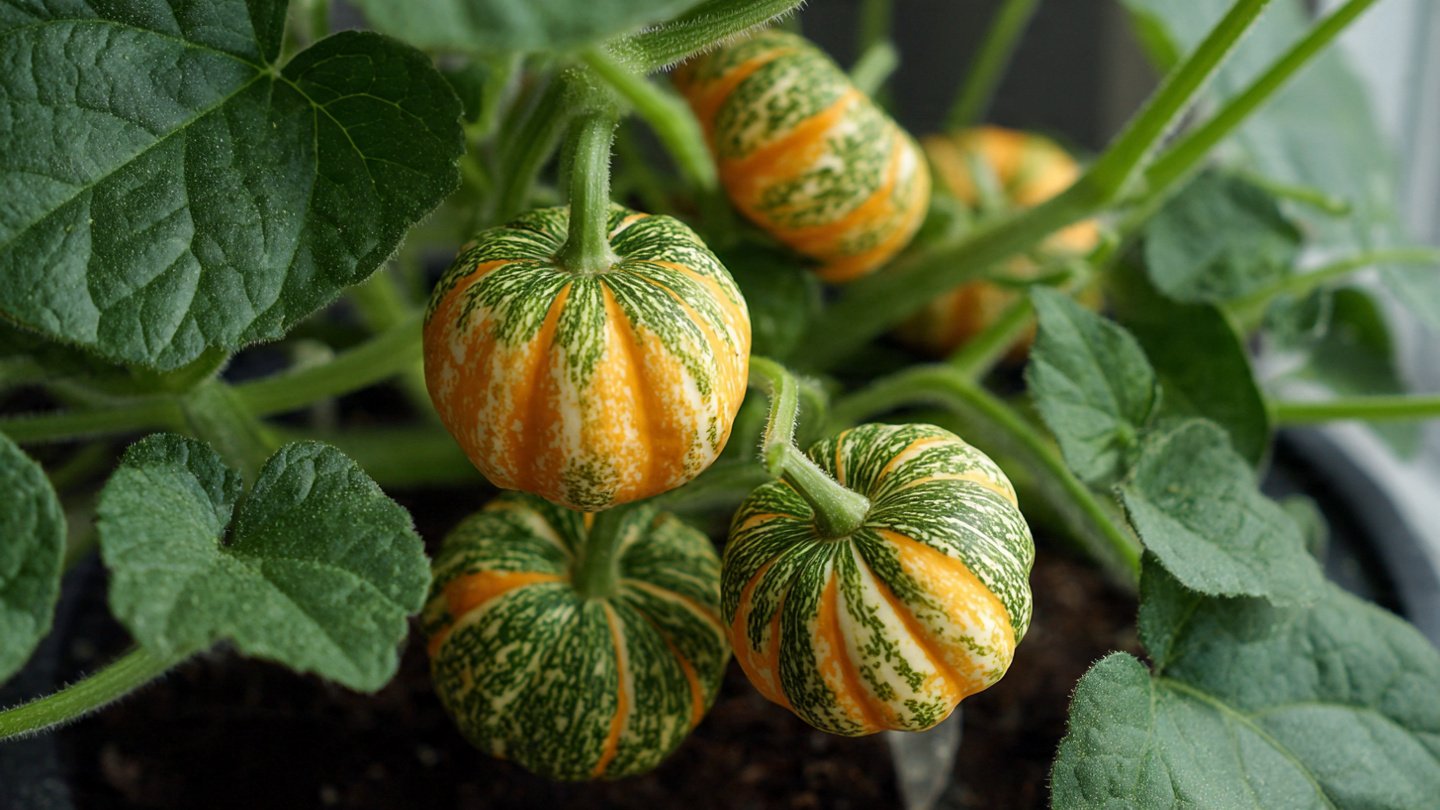
Pumpkins are a classic fall favorite, whether for carving, decorating, or cooking. But did you know that you can grow mini pumpkins at home without soil, using hydroponics? Hydroponics is a soil-free growing method that uses nutrient-rich water solutions to cultivate plants efficiently, and it’s perfect for small spaces, balconies, or urban homes. Growing mini pumpkins hydroponically not only saves space but also accelerates growth, reduces pests, and gives gardeners the opportunity to experiment with a fun and rewarding project. This guide will show you how to grow your own mini pumpkins at home using hydroponics, step by step.
Why Hydroponics Works for Mini Pumpkins
Hydroponics offers several advantages over traditional soil gardening, especially for compact fruits like mini pumpkins:
- Space Efficiency: Hydroponic systems allow vertical or stacked growth, which is perfect for small homes or apartments.
- Faster Growth: Plants often grow faster in hydroponics due to direct access to nutrients and oxygen.
- Pest Reduction: Without soil, many common pests and diseases are minimized.
- Water Efficiency: Hydroponic systems recycle water, making them eco-friendly and cost-effective.
Mini pumpkins are ideal for hydroponics because their smaller size requires less space and nutrient input than full-sized pumpkins. With proper support and care, a few plants can produce a plentiful harvest indoors.
Choosing the Right Mini Pumpkin Variety
Not all pumpkins are suitable for hydroponic growth. For home systems, select compact or bush-type mini pumpkins, which naturally produce smaller fruits and vines. Popular options include:
- Jack Be Little: Tiny orange pumpkins, perfect for decoration and cooking.
- Baby Boo: White miniature pumpkins with a mild flavor.
- Munchkin: Small, sweet pumpkins that are bushy and compact.
Choose varieties suited to your available space and the hydroponic system you plan to use. Bush-type varieties are easier to manage in containers and vertical setups, while vining types may require additional support.
Setting Up a Hydroponic System at Home
There are several types of hydroponic systems, but for mini pumpkins, the following are ideal:
- Deep Water Culture (DWC): Plants are suspended in water with oxygen supplied via an air pump.
- Nutrient Film Technique (NFT): A thin layer of nutrient solution flows over the roots continuously.
- Kratky Method: A passive, low-maintenance system where roots are suspended in nutrient solution without pumps, suitable for beginners.
For beginners, the Kratky method is often recommended because it requires minimal equipment, no electricity, and is easy to maintain.
Materials Needed
To start growing mini pumpkins hydroponically at home, you will need:
- Mini pumpkin seeds of your chosen variety
- Hydroponic containers (tubs, buckets, or trays)
- Net pots or small pots with holes for root aeration
- Hydroponic nutrient solution, formulated for fruiting plants
- pH testing kit and pH adjusters
- Grow lights, if natural sunlight is insufficient
- Trellis or support system for vines
With these materials, you can set up a simple hydroponic garden that fits your home environment.
Step 1: Germinating Seeds
Start by germinating mini pumpkin seeds in a damp paper towel or seed-starting medium. Keep the seeds warm and moist until they sprout. Once seedlings have developed two true leaves, they are ready to be transplanted into your hydroponic system. Germinating seeds first ensures strong, healthy plants that adapt well to hydroponic growth.
Step 2: Preparing the Hydroponic System
Fill your container with water and add the hydroponic nutrient solution according to the manufacturer’s instructions. Check the pH, aiming for a slightly acidic range of 5.8–6.5, which is ideal for pumpkin nutrient uptake. Insert seedlings into net pots filled with a growing medium such as clay pellets, coconut coir, or rockwool, then suspend the pots above the nutrient solution so roots can access water while remaining aerated.
Step 3: Light and Temperature Requirements
Mini pumpkins need 12–16 hours of light per day for healthy growth. If you don’t have access to sufficient natural sunlight, use LED grow lights placed 12–18 inches above the plants. Maintain a temperature range of 70–80°F (21–27°C) during the day and slightly cooler at night to mimic natural conditions. Proper light and temperature are critical for photosynthesis, flowering, and fruit development.
Step 4: Supporting Vines and Fruit
Even mini pumpkins produce vines that require support. Use trellises, string, or stakes to guide the vines upward. This not only saves space but also prevents the fruit from touching the water directly, reducing the risk of rot. Once pumpkins start forming, use soft slings or cloth supports to cradle each fruit, especially for heavier varieties.
Step 5: Pollination
In hydroponic indoor setups, natural pollinators like bees may not be available. You’ll need to hand-pollinate flowers using a small brush or cotton swab. Gently transfer pollen from male flowers to female flowers to ensure fruit set. Female flowers can be identified by the tiny pumpkin shape at the base, while male flowers grow directly from the vine. Pollination is critical for a successful mini pumpkin harvest.
Step 6: Monitoring Nutrients and Water
Check nutrient solution levels and pH regularly, especially during flowering and fruiting stages. Mini pumpkins are heavy feeders, so maintaining adequate nutrients ensures strong vines and sweet fruits. Replenish water as needed and avoid letting roots dry out. In the Kratky system, ensure the water level decreases slowly as roots grow, maintaining oxygen access at the top.
Step 7: Harvesting Mini Pumpkins
Mini pumpkins typically take 10–12 weeks to mature in a hydroponic system, depending on the variety. Harvest when the fruits are fully colored and firm to the touch. Cut them from the vine using scissors or a small knife, leaving a short stem attached to prolong shelf life. Hydroponically grown pumpkins tend to have fewer blemishes, better flavor, and a smooth texture due to the controlled environment.
Advantages of Growing Mini Pumpkins Hydroponically
Growing mini pumpkins hydroponically offers several benefits:
- Higher Yield: Controlled nutrients and water increase fruit production.
- Faster Growth: Plants grow more quickly without soil limitations.
- Cleaner Fruit: No soil means fewer pests and cleaner produce.
- Space-Saving: Vertical systems and compact varieties allow home gardeners to grow pumpkins indoors or on balconies.
- Educational: Hydroponics is a great way to learn about plant biology, nutrient cycles, and sustainable gardening.
Troubleshooting Common Issues
Even in hydroponics, mini pumpkins can face challenges:
- Yellow Leaves: Often a sign of nutrient deficiency; adjust nutrient solution or check pH.
- Powdery Mildew: Maintain good airflow and avoid overwatering foliage.
- Slow Fruit Development: Check pollination, light intensity, and nutrient availability.
- Root Rot: Ensure roots are well-aerated and not submerged in stagnant water.
By monitoring plant health and adjusting conditions, most common problems can be avoided.
Conclusion
Growing mini pumpkins hydroponically at home is a rewarding way to produce fresh, healthy fruits in limited space. By selecting compact varieties, using the right hydroponic system, and providing adequate light, nutrients, and support, gardeners can enjoy a successful harvest indoors. Beyond the joy of homegrown pumpkins, hydroponics teaches patience, observation, and experimentation, making it both an educational and satisfying endeavor.
Whether for decoration, cooking, or personal enjoyment, mini pumpkins grown hydroponically offer superior flavor, cleanliness, and nutrient content compared to store-bought options. With proper care and attention, even first-time growers can achieve impressive results. This soil-free growing method brings a new dimension to urban gardening and allows anyone to cultivate a harvest of vibrant, sweet mini pumpkins right in the comfort of their home.
Embracing hydroponics for mini pumpkins demonstrates that traditional gardening is no longer confined to backyards. With creativity, a few basic materials, and consistent care, home gardeners can enjoy the satisfaction of growing their own pumpkins year-round.