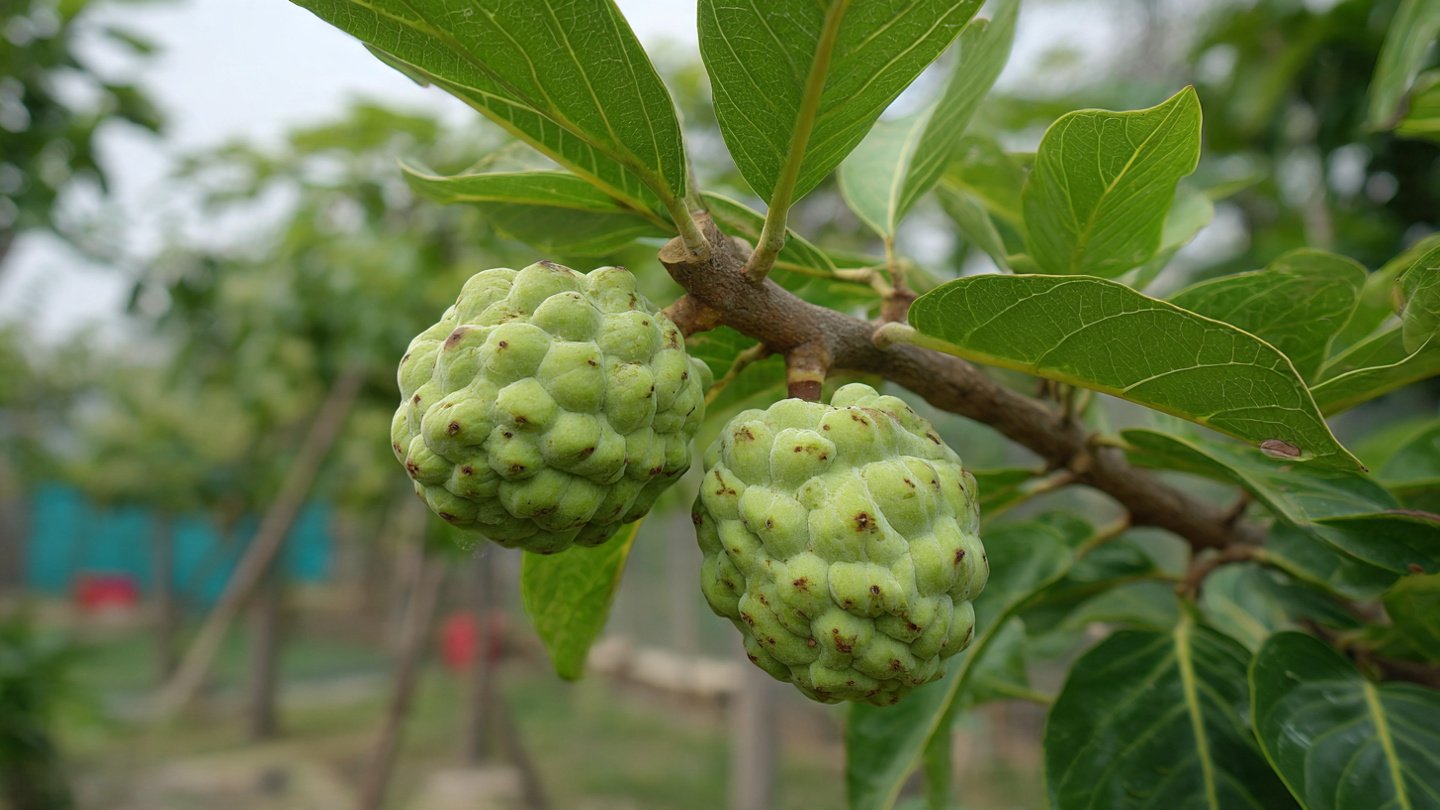
Custard apple, also known as sugar apple or by its scientific name Annona squamosa, is a tropical fruit prized for its sweet, creamy flesh and unique flavor. While traditionally grown in open gardens or orchards, custard apple plants can thrive in containers such as grow bags, making them accessible for gardeners with limited space. Grow bags offer flexibility, improved root aeration, and ease of maintenance, all of which contribute to healthier plants and higher yields. Understanding the right techniques for cultivating custard apple in grow bags is essential for maximizing both productivity and convenience.
Why Grow Bags Work for Custard Apple Plants
Grow bags are a practical alternative to traditional pots for several reasons. They provide better drainage and airflow, which prevents waterlogging and promotes healthy root development. The flexible material allows for air pruning, a process that encourages the plant to produce a dense, fibrous root system rather than circling roots typical in rigid pots. This leads to stronger plants that are more efficient at nutrient absorption and fruit production.
Additionally, grow bags are lightweight and portable, making it easier to move custard apple plants to protect them from extreme weather, pests, or frost. For gardeners in urban areas, balconies, patios, or small backyards, grow bags allow fruit cultivation without the need for permanent garden space.
Selecting the Right Custard Apple Variety
Choosing the appropriate custard apple variety is crucial for successful container cultivation. Dwarf or compact varieties are best suited for grow bags, as they remain manageable in size while still producing abundant fruit. Varieties such as ‘Balanagar’ and ‘Red Sitaphal’ are known for their compact growth habit, early fruiting, and adaptability to container culture.
Consider local climate and chill tolerance when selecting a variety. While custard apple prefers warm, tropical, or subtropical climates, certain cultivars can tolerate cooler conditions if grown in portable containers that can be moved indoors or to protected areas during cold spells.
Choosing the Right Grow Bag
The size of the grow bag is critical for custard apple plants. A bag that is too small restricts root growth, limits nutrient uptake, and reduces fruit yield. For young plants, a grow bag of 15–20 liters is sufficient, but as the plant matures, it may require a 50–75 liter bag to accommodate a well-developed root system and support heavier fruit loads.
Choose grow bags made of breathable, durable materials. Polypropylene or non-woven fabric bags are ideal as they allow air to penetrate, prevent root circling, and facilitate drainage. Ensure the bag has adequate drainage holes to prevent water stagnation, which can lead to root rot.
Preparing the Soil Mix
Custard apple plants thrive in a well-draining, fertile soil mix. A recommended mix for grow bags includes loamy soil, compost, and coarse sand in equal parts. Compost provides essential nutrients and improves moisture retention, while sand enhances drainage and prevents compaction. Adding organic matter such as well-rotted manure or cocopeat enriches the soil further and promotes microbial activity.
Maintaining a slightly acidic to neutral pH (6.0–7.0) is ideal. Before planting, moisten the soil mixture thoroughly to ensure even hydration and uniform settling within the grow bag.
Planting Custard Apple in Grow Bags
Planting properly ensures healthy establishment. Start with healthy seedlings or grafted plants. Remove the plant gently from its nursery container, taking care not to damage roots. Fill the grow bag with prepared soil, leaving space at the top for watering.
Plant the custard apple at the same depth as it was in its nursery container. Firm the soil gently around the base to stabilize the plant, and water immediately to help settle the soil and eliminate air pockets.
Sunlight and Placement
Custard apple plants require full sunlight to grow vigorously and produce fruit. Position grow bags where plants receive at least six to eight hours of direct sunlight daily. Sunlight is critical for flowering, fruit set, and sugar accumulation, resulting in sweet, flavorful fruits.
The portability of grow bags allows gardeners to move plants to maximize sun exposure or protect them from extreme heat or strong winds. This flexibility is particularly valuable in regions with unpredictable weather conditions.
Watering Techniques for Optimal Growth
Proper watering is essential for custard apple plants, especially in grow bags, which dry out faster than in-ground soil. Water deeply but infrequently to encourage strong root development. The top inch of soil should be allowed to dry slightly between watering to prevent root rot.
During flowering and fruiting stages, maintain consistent moisture, as fluctuations can lead to flower drop or fruit splitting. Using a drip irrigation system or watering slowly at the base helps ensure that roots receive adequate hydration without wetting foliage unnecessarily.
Fertilization for Maximum Yield
Custard apple is a heavy feeder, especially during flowering and fruiting. Applying balanced nutrients supports strong vegetative growth and abundant fruit production. A slow-release fertilizer high in potassium encourages flowering and fruit development, while nitrogen supports leaf growth and phosphorus aids root health.
Organic alternatives such as compost, vermicompost, or well-rotted manure are effective and environmentally friendly. Apply nutrients periodically, with increased feeding during active growth and fruiting stages. Avoid over-fertilization, as excessive nitrogen can lead to lush foliage with reduced flowering.
Training and Pruning
Pruning custard apple plants in grow bags is crucial for maintaining manageable size and promoting high yields. Remove dead, diseased, or crossing branches to improve airflow and sunlight penetration. Focus on maintaining a strong central leader and well-spaced lateral branches.
Regular pruning also encourages lateral branching, which increases the number of flowering sites. In small spaces, pruning keeps the plant compact and prevents overcrowding within the grow bag while directing energy toward fruiting rather than excessive vegetative growth.
Flowering and Pollination
Custard apple flowers are typically pollinated by insects, so attracting pollinators is essential. Planting companion flowers or placing the grow bag in an area frequented by bees and butterflies improves pollination rates.
For gardeners in areas with fewer pollinators, hand pollination using a soft brush or cotton swab can ensure better fruit set. This technique involves transferring pollen from the male flowers to the female flowers during the bloom period, significantly increasing fruit yield.
Supporting Fruit Development
As fruits begin to form, custard apple plants in grow bags may require additional support. Heavy fruits can weigh down branches, potentially causing breakage. Use soft ties, slings, or stakes to support branches and distribute weight evenly. This prevents damage and ensures fruits mature without deformities.
Mulching around the base helps retain moisture, regulate temperature, and suppress weed growth. Organic mulch such as straw, leaves, or cocopeat provides additional nutrients as it decomposes.
Pest and Disease Management
Custard apple plants are susceptible to pests such as mealybugs, aphids, and fruit borers, as well as fungal diseases like powdery mildew. Regular inspection of foliage, flowers, and fruits is essential to catch early infestations.
Organic interventions, including neem oil sprays, insecticidal soaps, and introducing beneficial insects, help control pests without harming the plant or environment. Good airflow from proper pruning and avoiding waterlogged conditions prevents most fungal diseases, keeping plants healthy and productive.
Harvesting Tips
Custard apple fruits typically mature 3–4 months after flowering, depending on the variety. Harvest when the fruit turns slightly soft and the skin develops a characteristic color change. Avoid leaving fruit on the plant for too long, as overripe fruits can attract pests or become damaged.
Regular harvesting encourages continued flowering and fruiting. Handle fruits carefully to prevent bruising, and store them in a cool place if not consuming immediately.
Advantages of Grow Bags for Custard Apple Cultivation
Growing custard apple plants in grow bags offers numerous advantages. They are portable, allowing for protection against extreme weather and better sun exposure. Root aeration through air pruning promotes healthier plants with more robust fruiting capacity. Maintenance tasks such as watering, pruning, and harvesting are more convenient in a contained setup.
Grow bags also make it possible to grow custard apple in urban settings or limited garden space, democratizing the cultivation of this tropical fruit for home gardeners.
Long-Term Care and Maintenance
Consistent care throughout the growing season ensures long-term productivity. Monitor soil moisture, provide periodic fertilization, prune regularly, and protect plants from pests and extreme weather. With proper maintenance, custard apple plants in grow bags can produce fruit for several years.
Re-potting or refreshing soil every few years prevents root crowding and maintains soil fertility. Healthy plants respond better to care, producing higher yields and sweeter fruit consistently.
Conclusion
Growing custard apple plants in grow bags is a practical and effective method for maximizing yield while maintaining convenience and flexibility. By selecting appropriate varieties, preparing nutrient-rich soil, installing large, breathable grow bags, and providing proper care, gardeners can enjoy abundant, high-quality custard apples even in limited spaces.
The combination of strategic watering, fertilization, pruning, and pest management ensures strong, healthy plants with prolific fruiting. Grow bags not only simplify the cultivation process but also empower gardeners to grow custard apple plants in urban or confined environments, demonstrating that with the right techniques, tropical fruit cultivation can be accessible, productive, and rewarding for any home gardener.