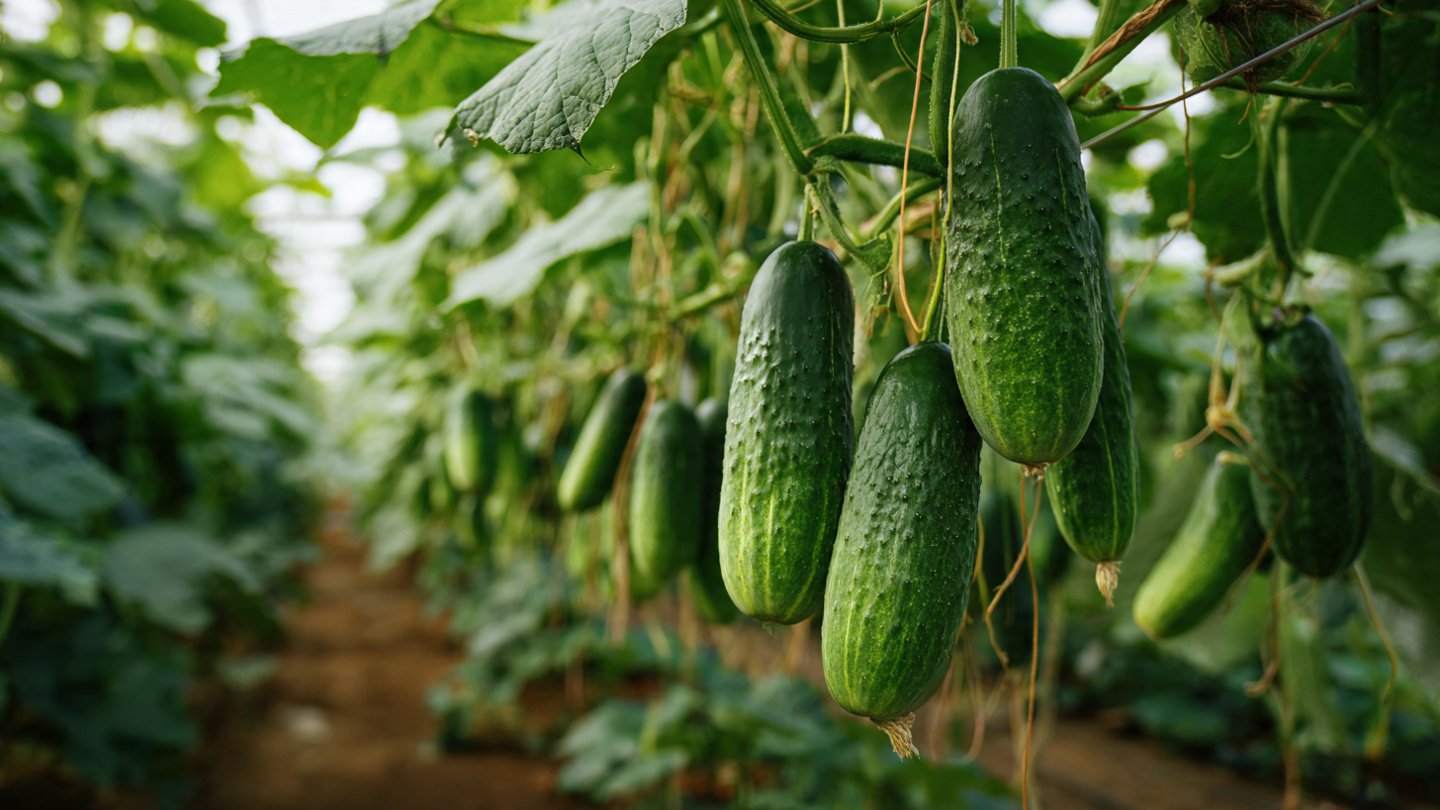
Cucumbers (Cucumis sativus) are among the most popular vegetables for home gardeners, prized for their crisp texture, refreshing flavor, and versatility in salads, pickles, and snacks. Growing cucumbers successfully requires understanding their specific needs, from seed selection to harvesting. By following a step-by-step approach, gardeners can enjoy abundant, juicy harvests throughout the growing season. This guide provides a complete roadmap to growing cucumbers efficiently and effectively.
1. Selecting the Right Cucumber Variety
The first step in a successful cucumber harvest is choosing a variety suited to your garden conditions. Cucumbers come in three primary types:
- Slicing Cucumbers: Ideal for fresh eating, typically long and smooth-skinned. Examples include ‘Marketmore 76’ and ‘Straight Eight.’
- Pickling Cucumbers: Smaller, thicker-skinned varieties suitable for pickling, such as ‘Boston Pickling’ or ‘National Pickling.’
- Burpless or Seedless Varieties: Easier to digest and often sweeter, such as ‘Tasty Green’ or ‘Sweet Success.’
Consider your climate, growing space, and intended use when selecting a variety. For small gardens or containers, bush varieties are compact, while vining varieties benefit from trellises for vertical growth.
2. Preparing the Soil
Cucumbers thrive in loose, fertile, well-draining soil with a pH of 6.0–7.0. Preparing the soil properly ensures strong root development and healthy plants. Steps include:
- Add Organic Matter: Incorporate compost or well-rotted manure to enrich the soil.
- Improve Drainage: Avoid heavy clay; if necessary, add sand or perlite.
- Warm the Soil: Cucumbers prefer soil temperatures above 65°F (18°C) for germination and growth. Consider using black plastic mulch to retain heat in cooler climates.
- Fertilize Appropriately: Use a balanced fertilizer before planting, focusing on phosphorus and potassium for root and flower development.
Healthy soil forms the foundation for vigorous cucumber growth and abundant fruiting.
3. Starting Seeds Indoors
In cooler climates or to get a head start, starting cucumber seeds indoors is beneficial. Steps include:
- Timing: Sow seeds 3–4 weeks before the last expected frost.
- Containers: Use seed trays or small pots with seed-starting mix.
- Planting Depth: Sow seeds ½ inch deep and cover lightly with soil.
- Watering: Keep soil consistently moist but not waterlogged.
- Temperature: Maintain a warm environment of 70–75°F (21–24°C) for optimal germination.
- Transplanting: Harden off seedlings for 7–10 days before moving them outdoors, gradually exposing them to sunlight and outdoor conditions.
Starting seeds indoors gives plants a strong early start and maximizes the growing season.
4. Direct Sowing Outdoors
If planting directly in the garden, wait until soil temperatures consistently exceed 65°F (18°C). Cucumbers are sensitive to frost and cold soil, which can hinder germination. Steps for outdoor sowing include:
- Planting Holes or Mounds: Space seeds 12–18 inches apart in rows or mounds to improve drainage and allow airflow.
- Depth and Spacing: Plant seeds ½ inch deep, spacing hills 3–4 feet apart for vining varieties.
- Thinning Seedlings: Once seedlings develop true leaves, thin to one plant per hole for optimal growth.
Direct sowing works well in warm climates and ensures vigorous, healthy cucumbers without transplant shock.
5. Supporting Growth with Trellises
Cucumbers are naturally vining plants, and supporting them with trellises or cages provides numerous benefits:
- Improved Air Circulation: Reduces the risk of fungal diseases like powdery mildew.
- Space Efficiency: Vertical growth saves garden space, making it ideal for small plots or container gardens.
- Easier Harvesting: Fruits are more accessible and less prone to soil rot.
- Healthier Fruits: Reduced contact with soil minimizes blemishes and pest damage.
For trellising, use stakes, tomato cages, or A-frame trellises, securing vines gently as they grow.
6. Watering and Moisture Management
Cucumbers require consistent moisture for crisp, juicy fruits. Irregular watering can result in bitter or misshapen cucumbers. Key watering tips:
- Deep, Consistent Watering: Provide 1–2 inches of water per week, ensuring soil stays evenly moist.
- Avoid Wetting Foliage: Water at the base to minimize fungal disease risk.
- Mulching: Apply 2–3 inches of organic mulch around plants to retain moisture, regulate temperature, and reduce weeds.
- Drip Irrigation: Consider drip systems for efficiency and reduced leaf wetting.
Consistent watering is essential for steady growth and high-quality fruit production.
7. Fertilization During Growth
Cucumbers are heavy feeders, requiring additional nutrients during the growing season. Fertilization tips include:
- Side Dressing: Apply balanced fertilizer or compost along the base of plants every 3–4 weeks.
- Nitrogen Management: While nitrogen promotes leaf growth, excess can reduce fruit set. Focus on phosphorus and potassium once plants begin flowering.
- Foliar Feeding: Liquid fertilizers can provide a quick nutrient boost during critical flowering and fruiting stages.
Balanced fertilization ensures strong stems, abundant flowers, and well-developed cucumbers.
8. Pest and Disease Management
Cucumbers are susceptible to pests and diseases that can reduce yield and fruit quality. Common issues include:
- Cucumber Beetles: Feed on leaves and transmit bacterial wilt. Control with row covers, sticky traps, or insecticidal soaps.
- Aphids: Small insects that suck sap; manage with water sprays or natural predators like ladybugs.
- Powdery Mildew: Fungal infection causing white leaf powder; prevent with proper spacing, good airflow, and resistant varieties.
- Downy Mildew: Affects leaves in humid conditions; improve air circulation and remove infected foliage promptly.
Regular monitoring, preventive practices, and timely intervention minimize damage and maintain plant health.
9. Pollination
Cucumbers produce male and female flowers, and proper pollination is essential for fruit set.
- Attract Pollinators: Encourage bees and other pollinators by planting companion flowers nearby.
- Hand Pollination: In small gardens or when pollinators are scarce, use a small brush or cotton swab to transfer pollen from male to female flowers.
- Timing: Pollinate in the morning when flowers are open and pollen is viable.
Successful pollination ensures abundant, well-formed fruits.
10. Harvesting Cucumbers
Knowing when and how to harvest is critical for continued production:
- Timing: Pick cucumbers when they reach the desired size, usually 6–8 inches for slicing varieties and 3–5 inches for pickling types.
- Frequency: Harvest every 2–3 days to encourage continuous flowering and fruiting.
- Technique: Use a sharp knife or scissors to cut fruits from vines to avoid damaging the plant.
- Signs of Overripe Fruits: Yellowing or soft spots indicate overripe cucumbers, which can reduce overall production.
Regular harvesting promotes longer fruiting periods and maintains plant vigor.
11. Extending the Growing Season
In regions with shorter summers, consider techniques to extend cucumber production:
- Use Row Covers: Protect young plants from early spring or late fall frost.
- Choose Early-Maturing Varieties: Harvest sooner to make the most of the growing season.
- Container Growing: Move potted cucumbers to warmer microclimates or greenhouses to prolong growth.
These strategies maximize yields and allow gardeners to enjoy fresh cucumbers for longer periods.
12. Companion Planting
Cucumbers benefit from companion planting, which enhances growth and deters pests:
- Good Companions: Beans, corn, radishes, and sunflowers can improve growth conditions.
- Avoid Planting Near: Potatoes or aromatic herbs like sage, which may inhibit growth.
- Intercropping: Planting flowers such as marigolds or nasturtiums attracts pollinators and deters pests naturally.
Companion planting supports a healthy ecosystem and improves cucumber yields.
Conclusion
Growing cucumbers successfully requires careful planning, consistent care, and attention to plant needs. By selecting the right variety, preparing soil properly, providing support, watering consistently, fertilizing appropriately, and managing pests and diseases, gardeners can enjoy crisp, juicy cucumbers throughout the season.
Following a step-by-step approach—from seed selection and sowing to trellising, pollination, and harvesting—ensures healthy, productive plants and maximizes fruit quality. Minimal adjustments such as timely pruning, regular harvesting, and proper spacing make a significant difference in overall yield.
With patience, attention, and the right techniques, even beginner gardeners can achieve abundant cucumber harvests, enjoying fresh, flavorful vegetables straight from their garden. From salads to pickles, homegrown cucumbers add nutrition, flavor, and satisfaction to every meal, proving that step-by-step care produces crisp, juicy results every season.