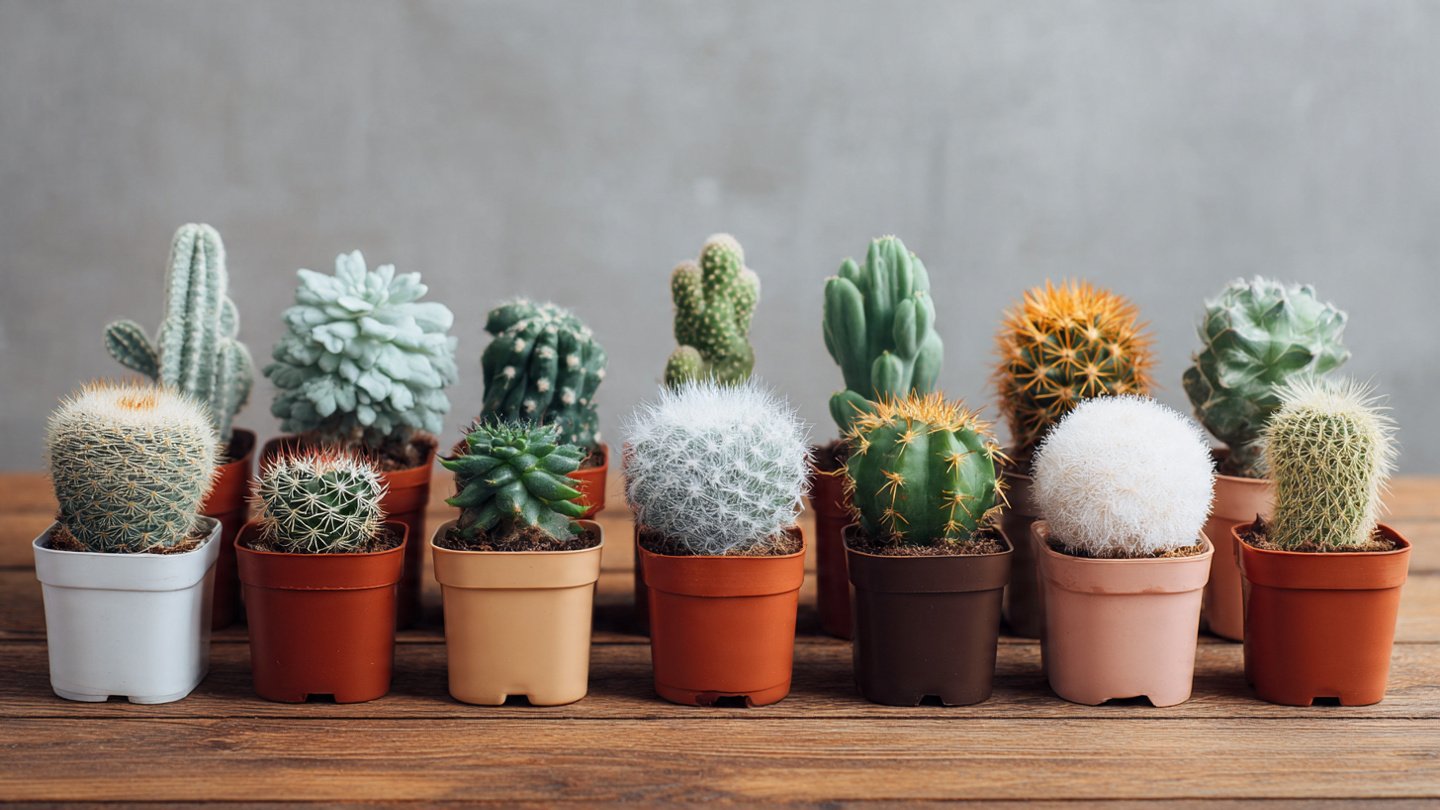
Cacti are among the most fascinating and low-maintenance plants for gardeners and collectors alike. Their unique forms, vibrant flowers, and ability to thrive in arid conditions make them a popular choice for indoor and outdoor gardens. While many gardeners buy mature cacti, growing them from seed offers a rewarding and educational experience. Starting cacti from seed allows you to explore rare species, experiment with hybrid varieties, and witness the entire life cycle from germination to maturity. This guide provides a comprehensive, beginner-to-expert roadmap for successfully cultivating cactus plants from seed.
Understanding Cactus Biology
Cacti belong to the plant family Cactaceae and are native primarily to the Americas. They are adapted to arid or semi-arid environments, storing water in their thick, fleshy stems and minimizing leaf surfaces to reduce water loss. Many cacti produce striking flowers and fruits, but successful growth from seed requires patience, proper soil, and controlled environmental conditions.
Cactus seeds are generally tiny and lightweight, designed for dispersal by wind, water, or animals in their native habitats. Despite their size, cactus seeds can remain viable for years if stored correctly. Germination occurs most effectively under warm, humid conditions, mimicking natural desert rainfall events.
Choosing Cactus Seeds
The first step in growing cacti from seed is selecting the appropriate species. Beginners often start with fast-growing, hardy varieties such as Echinopsis, Mammillaria, or Rebutia. These species germinate quickly and are forgiving to novice growers.
More advanced growers may experiment with rare or slow-growing cacti, such as Ariocarpus, Astrophytum, or Lophophora. These species require precise environmental conditions and longer germination times, but they reward growers with unusual and highly collectible specimens.
When purchasing seeds, choose reputable suppliers to ensure high germination rates and authenticity. Check the seed viability date and avoid older seeds, which may have reduced germination potential.
Preparing the Soil
Cactus seedlings require a light, well-draining soil that replicates desert conditions. Regular garden soil is unsuitable because it retains too much moisture, which can cause seed rot. A suitable cactus seed mix combines inorganic and organic components:
- Sand or perlite: Improves drainage and prevents compaction.
- Fine grit or pumice: Promotes aeration and reduces fungal risk.
- Organic matter (optional): Minimal compost or peat moss for slight nutrient support.
A typical mix consists of 50% inorganic material (sand, perlite, or grit) and 50% organic material. Sterilizing the soil before sowing prevents fungal contamination, which is a common problem with tiny cactus seedlings.
Choosing Containers
Cactus seeds can be germinated in trays, shallow pots, or small containers with drainage holes. Shallow trays are ideal because they allow easy monitoring and prevent overwatering. Transparent covers or lids can help maintain humidity while keeping the soil surface visible.
Use clean, sterilized containers to minimize the risk of pathogens. Avoid deep pots initially, as young seedlings have tiny roots and do not require extensive soil depth.
Sowing the Seeds
Sowing cactus seeds requires patience and attention to detail. Follow these steps:
- Prepare the soil: Lightly moisten the soil mix without making it soggy.
- Scatter the seeds: Gently sprinkle seeds on the soil surface. Cactus seeds are tiny and should not be buried deeply. A light dusting of fine sand over larger seeds is acceptable, but most can germinate directly on the surface.
- Cover the container: Use a transparent lid or plastic wrap to maintain humidity and warmth.
- Label your containers: Note the species and sowing date for accurate tracking.
Proper sowing ensures even germination and reduces the need for thinning seedlings later.
Providing the Right Environment
Temperature and humidity are critical for cactus seed germination. Most species germinate best between 70°F and 85°F (21°C to 29°C). Maintaining consistent warmth is more important than high temperatures alone.
Cactus seeds also require high humidity during germination. Using a transparent cover, humidity dome, or placing trays inside a sealed plastic bag can help retain moisture. Ventilation should be introduced gradually after seedlings emerge to prevent fungal growth.
Light requirements vary depending on species, but most cactus seeds germinate in bright, indirect light. Avoid direct sunlight initially, as tiny seedlings can burn easily. Fluorescent or LED grow lights work well for indoor germination, providing consistent light levels without overheating.
Watering and Moisture Management
Overwatering is the most common cause of failure when growing cactus seeds. Soil should be kept slightly moist but never waterlogged. Using a spray bottle or misting allows gentle moisture application without displacing seeds.
Once seedlings emerge, continue to maintain moisture without letting soil dry out completely. Gradually reduce watering frequency as seedlings grow stronger and develop a more resilient root system.
Germination Timeline
Germination times vary by species. Fast-growing cacti like Mammillaria may sprout within one to two weeks, while slower species like Ariocarpus can take several months. Be patient and avoid disturbing the soil during this period.
Seedlings often appear as tiny green dots or threads on the soil surface. Initial growth is slow, and seedlings are highly sensitive to changes in water, light, or temperature. Consistent care during the early weeks is essential for survival.
Thinning and Transplanting
Once seedlings develop one or two sets of true leaves (cotyledons are not considered true leaves), they can be thinned to prevent overcrowding. Carefully remove weaker seedlings using tweezers or scissors, leaving the strongest to thrive.
Transplanting to individual pots can occur after several months, once seedlings are sturdy enough to handle. Use a similar well-draining cactus mix and handle roots gently to prevent damage. Avoid deep planting; maintain the seedling at the same soil depth as it grew in the germination tray.
Fertilization for Seedlings
Young cactus seedlings require minimal fertilization. Excess nutrients can damage tender roots. A diluted, low-nitrogen fertilizer can be applied sparingly once seedlings have developed a few true leaves. Organic options like compost tea or diluted seaweed extract provide gentle nutrients while promoting healthy growth.
Fertilization should increase gradually as plants mature, ensuring strong growth without overstimulating foliage at the expense of root and stem development.
Lighting for Seedlings and Mature Plants
After germination, cactus seedlings need bright but indirect light. Insufficient light leads to etiolated, weak seedlings with pale stems. If natural sunlight is inadequate, use artificial grow lights for 12–14 hours per day, maintaining a distance of 6–12 inches above the seedlings.
As seedlings mature, gradually acclimate them to more direct sunlight to prepare for outdoor planting or indoor sunlit windowsills. This process prevents sunburn and promotes compact, healthy growth.
Pests and Disease Management
Seedlings are vulnerable to fungal infections, damping-off, and pests like aphids or spider mites. Prevention is key:
- Use sterilized soil and containers.
- Maintain good airflow once seedlings emerge.
- Avoid excessive humidity and waterlogging.
- Inspect seedlings regularly for early signs of pests or disease.
If infection occurs, remove affected seedlings promptly and adjust watering or environmental conditions. Healthy seedlings are resilient and grow into strong, productive adult plants.
Patience and Long-Term Growth
Cacti are slow-growing, especially when starting from seed. Some species may take several years to reach flowering size. Patience and consistent care are crucial for long-term success.
As plants grow, continue to provide well-draining soil, adequate light, and controlled watering. Gradually increase fertilization for mature plants, and ensure proper space for root and stem development. With time, seed-grown cacti will develop the characteristic shapes and, eventually, flowers that make them prized in collections.
Advanced Tips for Experts
Experienced growers can optimize cactus cultivation using the following techniques:
- Scarification or soaking seeds: Some species germinate faster when seeds are scarified or soaked in water for a few hours.
- Bottom heating: Maintaining a warm soil temperature using heat mats promotes uniform germination.
- Grafting: Rare or slow-growing species can be grafted onto hardy rootstocks to accelerate growth.
- Controlled environment chambers: Using humidity and temperature-controlled chambers ensures ideal conditions year-round.
Advanced techniques allow growers to experiment with rare cacti and achieve faster growth, increased survival rates, and earlier flowering.
Conclusion
Growing cactus from seed is a rewarding journey that combines patience, attention to detail, and consistent care. From selecting seeds and preparing the right soil to providing optimal light, water, and nutrients, every step contributes to successful germination and healthy seedling development.
While cacti are slow-growing, the satisfaction of nurturing a tiny seed into a mature, flowering plant is unmatched. By understanding their biological needs, avoiding common pitfalls, and gradually increasing care as plants mature, gardeners can cultivate a wide range of cactus species and enjoy the beauty, diversity, and resilience of these extraordinary plants.
With patience, proper technique, and a love for these unique desert plants, anyone can master the art of growing cactus from seed, creating a stunning and long-lasting collection that reflects both dedication and skill.