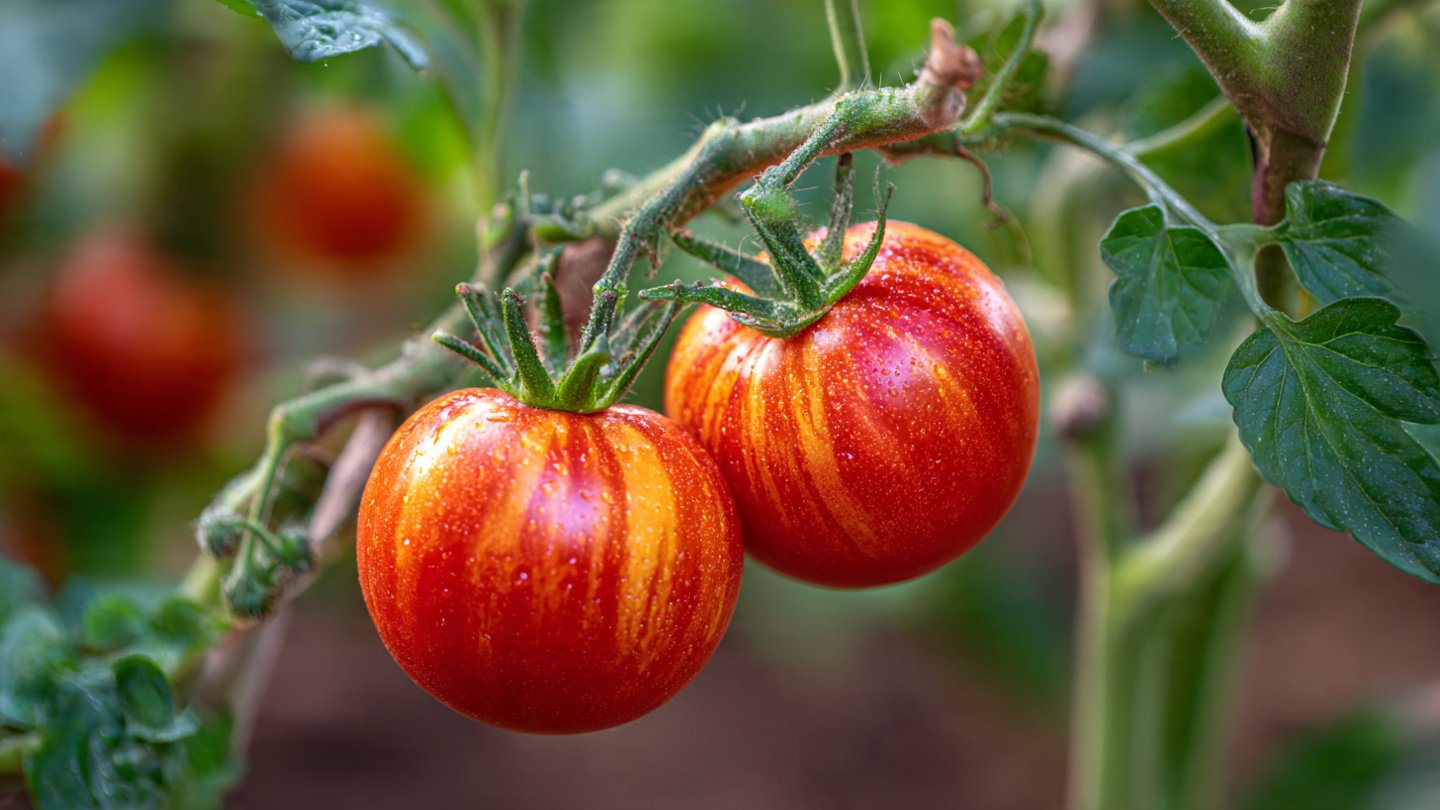
Tomatoes are among the most popular fruits for home growers, prized for their sweet flavor, versatility, and health benefits. But not everyone has access to a traditional garden. The good news is that growing tomatoes without a garden is entirely possible, and with the right methods, you can achieve high yields even in small spaces. Whether you live in an apartment, have a tiny backyard, or just want to maximize your urban space, these strategies will help you cultivate thriving tomato plants.
Why Grow Tomatoes Without a Garden?
Urban living, limited outdoor space, or soil challenges often make traditional gardening difficult. Growing tomatoes without a garden offers several advantages:
- Space Efficiency: Container and vertical methods allow cultivation in balconies, patios, or rooftops.
- Soil Control: You can provide optimal soil conditions, reducing pests and diseases.
- Accessibility: Tomatoes can be grown closer to the kitchen, making harvesting more convenient.
- Extended Growing Season: Indoor or container setups allow early planting or extended harvest periods.
With these benefits, even those without land can enjoy fresh, homegrown tomatoes.
High-Yield Methods for Growing Tomatoes Without a Garden
1. Container Gardening
Container gardening is one of the simplest and most effective ways to grow tomatoes without a garden. It involves planting tomatoes in pots, grow bags, or large containers filled with nutrient-rich potting soil.
Tips for Success:
- Use containers that are at least 12–18 inches deep to accommodate tomato roots.
- Ensure containers have proper drainage holes to prevent waterlogging.
- Choose determinate varieties (bush types) for containers, as they are compact and produce a single large harvest. Indeterminate varieties (vining types) can work too but may require staking or cages.
- Fertilize regularly with a balanced tomato fertilizer to support fruiting.
Container gardening allows flexibility—you can move your tomatoes to catch the sun or protect them from harsh weather. With proper care, a single container plant can produce dozens of juicy tomatoes per season.
2. Vertical Gardening
Vertical gardening is perfect for maximizing limited space. By training tomato vines to grow upward on trellises, cages, or wall-mounted supports, you increase yield per square foot.
Tips for Success:
- Use sturdy stakes, cages, or netting to support heavy tomato vines.
- Space plants 12–18 inches apart to allow air circulation and reduce disease risk.
- Prune suckers (small shoots between the main stem and branches) to direct energy into fruit production.
Vertical gardening is especially effective for indeterminate varieties, which continue producing fruit throughout the season. You can grow several vines in a small footprint while maintaining healthy airflow and sunlight exposure.
3. Hydroponics
Hydroponics is a soilless growing method that uses nutrient-rich water solutions to nourish plants. It’s ideal for indoor growers or those with poor soil conditions. Hydroponic systems, such as deep water culture, nutrient film technique, or drip systems, can produce high yields with minimal space.
Tips for Success:
- Choose tomato varieties suited for hydroponic growth, often labeled as “hydroponic” or “greenhouse” varieties.
- Monitor pH and nutrient levels carefully to avoid deficiencies.
- Ensure plants receive at least 6–8 hours of light per day, either from sunlight or grow lights.
Hydroponic systems can produce fruit faster than traditional soil-based methods. With proper care, one hydroponic tomato plant can yield more than its container-grown counterpart.
4. Indoor Grow Lights
If outdoor sunlight is limited, grow lights are a game-changer. Full-spectrum LED grow lights can replicate natural sunlight, allowing tomatoes to thrive indoors.
Tips for Success:
- Position lights 12–18 inches above plants, adjusting as they grow.
- Provide 14–16 hours of light daily to mimic a long summer day.
- Combine with containers or hydroponic systems for maximum efficiency.
Indoor grow lights allow year-round cultivation. While initial setup may require investment, the results can be highly rewarding with consistent fruit production.
5. Hanging Baskets
Hanging baskets are ideal for trailing tomato varieties like cherry or grape tomatoes. They save space and create an attractive display while producing abundant fruit.
Tips for Success:
- Choose lightweight baskets with good drainage.
- Use a high-quality potting mix and fertilize regularly.
- Water consistently, as hanging baskets dry out faster than ground containers.
Hanging baskets bring tomatoes closer to eye level, making harvesting easier and often encouraging healthier growth due to better airflow.
6. Square Foot Gardening
Square foot gardening maximizes space by planting tomatoes in raised beds or boxes with densely planted grids. Even without a traditional garden, small raised beds on patios, balconies, or rooftops can follow the same principle.
Tips for Success:
- Plant one tomato per square foot for determinate varieties; indeterminate types may need two per square foot.
- Rotate crops and mix companion plants to reduce disease risk.
- Use deep soil or containers for root space.
This method is highly productive and allows gardeners to grow a lot of tomatoes in minimal space, perfect for urban settings.
Choosing the Right Tomato Varieties
Selecting the right variety is crucial for high yields in non-traditional setups. Consider the following:
- Determinate (Bush) Tomatoes: Compact, ideal for containers or small spaces, produce a single large harvest.
- Indeterminate (Vine) Tomatoes: Grow continuously and produce fruit throughout the season, best for vertical gardening or trellises.
- Cherry and Grape Tomatoes: Small, prolific, and perfect for containers, hanging baskets, or hydroponics.
- Patio or Dwarf Varieties: Specifically bred for limited spaces, high-yield, and compact growth.
Care Tips for Maximum Yield
- Sunlight: Tomatoes need at least 6–8 hours of sunlight daily. Position containers, baskets, or hydroponic setups accordingly.
- Watering: Maintain consistent soil moisture. Avoid overwatering, which can lead to root rot, or underwatering, which reduces fruit size.
- Fertilization: Use tomato-specific fertilizers or balanced nutrient solutions. Feed weekly during peak growing periods.
- Pruning: Remove suckers for indeterminate varieties to focus energy on fruit production.
- Pollination: Indoors, gently shake plants or use a small fan to mimic natural pollination. Outdoors, bees and wind help.
- Pest Management: Keep an eye out for aphids, whiteflies, or fungal diseases. Organic sprays and neem oil can help control issues without harming the plant.
Conclusion
Growing tomatoes without a garden is no longer a challenge. With container gardening, vertical supports, hydroponics, hanging baskets, and square foot methods, anyone can enjoy fresh, high-yield tomatoes, even in urban or limited spaces. By selecting the right varieties, providing adequate sunlight, and following proper care routines, you can maximize fruit production and enjoy homegrown tomatoes year-round.
Whether you are a beginner or experienced urban gardener, these methods make it possible to cultivate delicious, abundant tomatoes without the need for traditional garden space. Fresh, juicy tomatoes can now be harvested right from your balcony, countertop, or living room, proving that a green thumb doesn’t require a garden after all.