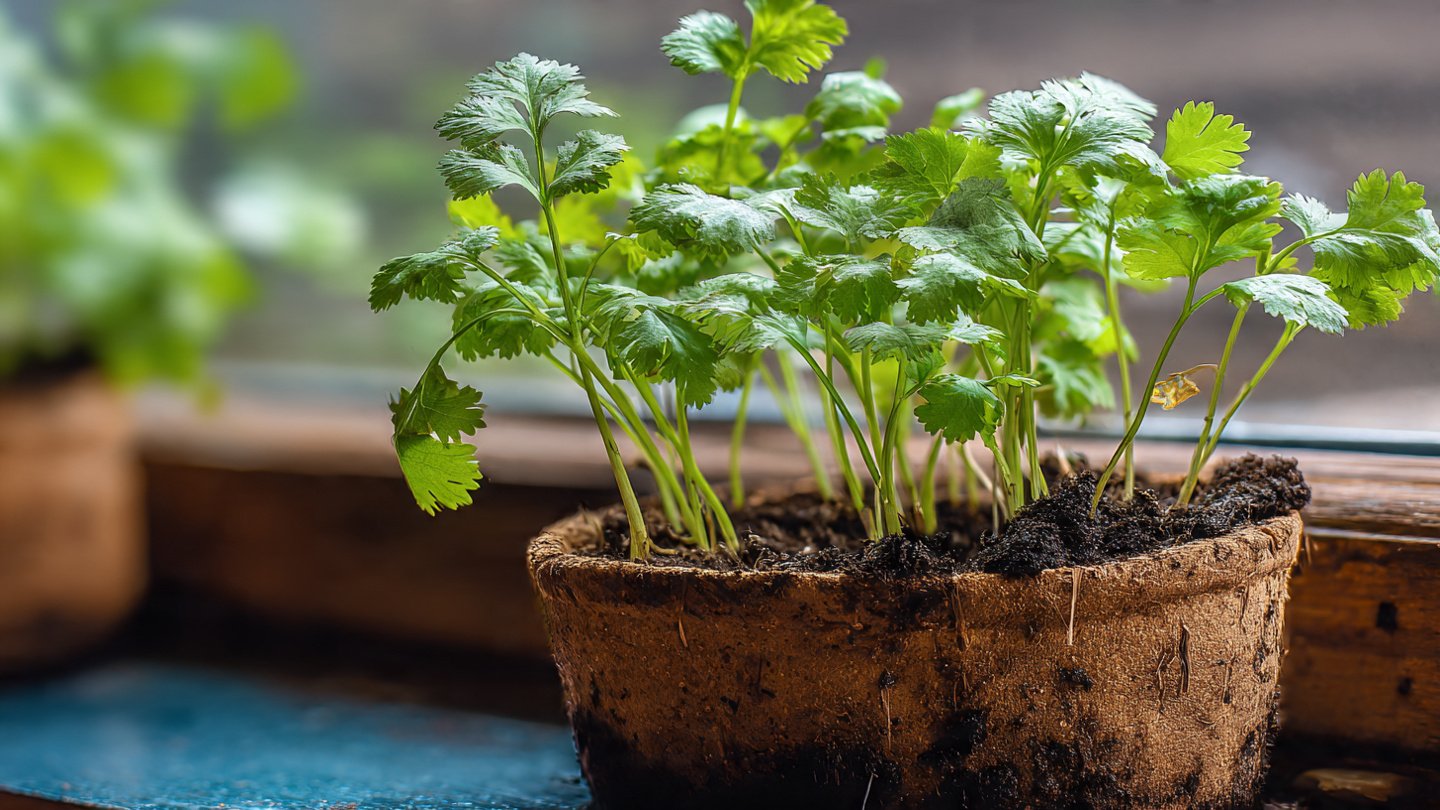
Coriander, also known as cilantro, is one of the most versatile and aromatic herbs in global cuisine. From fresh chutneys and salads to garnishing soups and curries, fresh coriander adds a burst of flavor and freshness that dried herbs simply cannot match. Growing coriander at home is not only rewarding but surprisingly easy, even for novice gardeners. With the right approach, you can maintain a thriving herb garden that provides a continuous supply of fresh coriander throughout the year. This complete guide walks you through everything you need to know to cultivate, care for, and harvest coriander at home.
Why Grow Coriander at Home?
There are several compelling reasons to grow coriander yourself:
- Freshness: Store-bought coriander often wilts quickly, while homegrown leaves are vibrant and flavorful.
- Continuous Supply: With proper planning, you can harvest leaves consistently without waiting for new stock.
- Pesticide-Free: Home cultivation allows you to avoid chemicals and grow safe, organic herbs.
- Cost-Effective: Regularly buying fresh coriander can be expensive; growing it at home is economical.
Whether you have a small balcony, a sunny windowsill, or a backyard, coriander can thrive in a variety of settings with minimal effort.
Selecting the Right Variety
Before planting, it’s important to choose the right coriander variety. Some varieties are better suited for leaf production, while others are ideal for seeds.
- Leaf-Focused Varieties: Varieties such as ‘Santo’ and ‘Calypso’ are bred for abundant, flavorful leaves. These are perfect for chefs and home cooks who prioritize leaf harvest.
- Dual-Purpose Varieties: Some cultivars, like ‘Cilantro Longstanding,’ produce leaves and seeds, allowing you to harvest fresh coriander and later collect seeds (coriander spice).
- Fast-Growing Varieties: Early-maturing types are ideal for successive sowing, ensuring a steady supply throughout the year.
Selecting the appropriate variety sets the foundation for a productive, easy-to-maintain herb garden.
Choosing the Right Container and Soil
Coriander grows well in containers, making it perfect for urban and indoor gardening. The container and soil choice are crucial for healthy growth.
- Container Size: Choose a pot that is at least 6–8 inches deep. Coriander has a long taproot, and deeper soil allows roots to grow freely.
- Drainage: Ensure the container has drainage holes to prevent waterlogging, which can cause root rot.
- Soil Type: Use well-draining, fertile soil rich in organic matter. A mix of potting soil, compost, and sand (for aeration) works well.
- pH Preference: Coriander prefers slightly acidic to neutral soil, with a pH of 6.2–7.0.
A well-prepared container ensures minimal maintenance and promotes healthy, vigorous growth.
Sowing Seeds for Success
Coriander grows quickly from seeds, and proper sowing techniques maximize germination and leaf production.
- Seed Preparation: Soak coriander seeds in water for 24 hours to soften the outer shell. This speeds up germination.
- Sowing Depth: Sow seeds about ¼ to ½ inch deep. Cover lightly with soil.
- Spacing: For container sowing, maintain 1–2 inches between seeds to allow airflow and prevent overcrowding. Thin seedlings to 3–4 inches apart once they sprout.
- Germination Time: Seeds usually germinate within 7–10 days. Keep the soil consistently moist during this period.
Using these simple techniques ensures quick, uniform germination and a strong start for your coriander plants.
Light and Temperature Requirements
Coriander is a cool-season herb, thriving in moderate temperatures and adequate sunlight.
- Light Needs: Coriander requires 4–6 hours of direct sunlight daily. For indoor gardening, place the container near a south-facing window or use grow lights.
- Temperature Range: Ideal growth occurs between 60–75°F (15–24°C). High temperatures can cause premature flowering (bolting), reducing leaf production.
- Partial Shade: In hot climates, provide partial shade during peak afternoon hours to prevent bolting and leaf scorching.
Maintaining optimal light and temperature ensures lush, flavorful leaves and prolongs the harvest season.
Watering for Healthy Growth
Consistent moisture is critical for coriander, but overwatering can lead to root problems.
- Watering Frequency: Water the plants when the top 1 inch of soil feels dry. Keep the soil consistently moist but not soggy.
- Deep Watering: Ensure water reaches the taproot by watering thoroughly but less frequently.
- Avoid Wet Foliage: Water at the base of the plant to prevent leaf diseases.
Proper watering promotes strong root development and a continuous supply of healthy leaves.
Fertilization and Nutrient Management
While coriander is not a heavy feeder, occasional nutrient support encourages abundant leaf growth.
- Organic Fertilizers: Use compost or well-rotted manure at planting time.
- Liquid Fertilizers: Apply diluted fish emulsion or seaweed extract every 3–4 weeks to stimulate leaf production.
- Balanced Nutrition: Ensure nitrogen is sufficient to promote lush foliage, as excessive phosphorus may encourage early flowering.
Regular, moderate fertilization reduces maintenance while maximizing leaf yield.
Pruning and Harvesting
Harvesting correctly encourages continuous growth and prevents premature flowering.
- Harvesting Leaves: Pick outer leaves first, leaving the central growing tip intact. This allows the plant to continue producing new leaves.
- Regular Pruning: Remove any yellow or damaged leaves to improve airflow and light penetration.
- Prevent Bolting: Bolting occurs in hot weather or when the plant matures. Frequent leaf harvesting and partial shading help delay flowering.
Consistent, strategic harvesting keeps your coriander plants productive throughout the season.
Successive Planting for Year-Round Supply
To enjoy fresh coriander all year, practice successive planting.
- Sowing Schedule: Plant new seeds every 2–3 weeks. This ensures a continuous supply as older plants are harvested or bolt.
- Staggered Containers: Use multiple containers to manage different growth stages simultaneously.
- Indoor/Outdoor Rotation: In colder months, move containers indoors or under protection to maintain growth.
Successive sowing prevents gaps in supply and keeps your herb garden thriving year-round.
Companion Planting and Pest Control
Coriander is relatively pest-resistant, but companion planting can enhance growth and deter potential problems.
- Good Companions: Tomatoes, peppers, and spinach grow well alongside coriander. Basil and chives can also help repel insects.
- Natural Pest Management: Ladybugs, lacewings, and other beneficial insects keep aphids and small pests under control.
- Avoid Overcrowding: Ensure adequate spacing to reduce the risk of fungal infections.
By integrating companion planting and natural pest control, coriander remains healthy with minimal maintenance.
Tips for Seed Production
If you want coriander seeds for spice or future planting, follow these simple steps:
- Allow Flowering: Let selected plants grow to full maturity and flower. Coriander produces small white or pink flowers that attract pollinators.
- Seed Development: After flowering, seeds form and mature over 2–3 weeks.
- Harvesting Seeds: Cut flower stalks and let them dry in a shaded area. Collect seeds and store in a cool, dry place.
This allows you to have a self-sustaining source of coriander seeds for subsequent plantings.
Indoor Growing for Convenience
For urban gardeners or those with limited outdoor space, indoor coriander cultivation is an excellent option.
- Containers: Use small pots or window boxes with well-draining soil.
- Light Sources: Place near sunny windows or use LED grow lights for 6–8 hours daily.
- Temperature Control: Maintain moderate indoor temperatures to prevent bolting.
Indoor growing ensures access to fresh coriander regardless of season or outdoor conditions.
Common Mistakes to Avoid
Even easy-growing herbs like coriander can face challenges if not cared for correctly. Avoid these common mistakes:
- Overcrowding Plants: Crowded plants compete for nutrients and sunlight, reducing leaf quality.
- Excessive Fertilization: Too much nitrogen can lead to weak stems and spindly growth.
- Neglecting Watering: Inconsistent moisture leads to poor germination and reduced leaf yield.
- Ignoring Bolting: Harvesting leaves regularly and providing partial shade can prevent early flowering.
Being aware of these pitfalls ensures a thriving, low-maintenance coriander garden.
Conclusion
Growing fresh coriander at home is simple, rewarding, and highly practical. By selecting suitable varieties, using containers with well-draining soil, providing adequate sunlight and moisture, and practicing regular harvesting, anyone can maintain a continuous supply of fresh coriander year-round. Indoor or balcony setups, coupled with successive planting, ensure that this aromatic herb is always within reach.
Whether you are a busy professional, a beginner gardener, or someone who loves cooking with fresh ingredients, this comprehensive guide equips you to cultivate coriander with minimal effort. Enjoy lush, vibrant leaves, enhance your meals, and savor the satisfaction of growing your own herbs easily and sustainably.