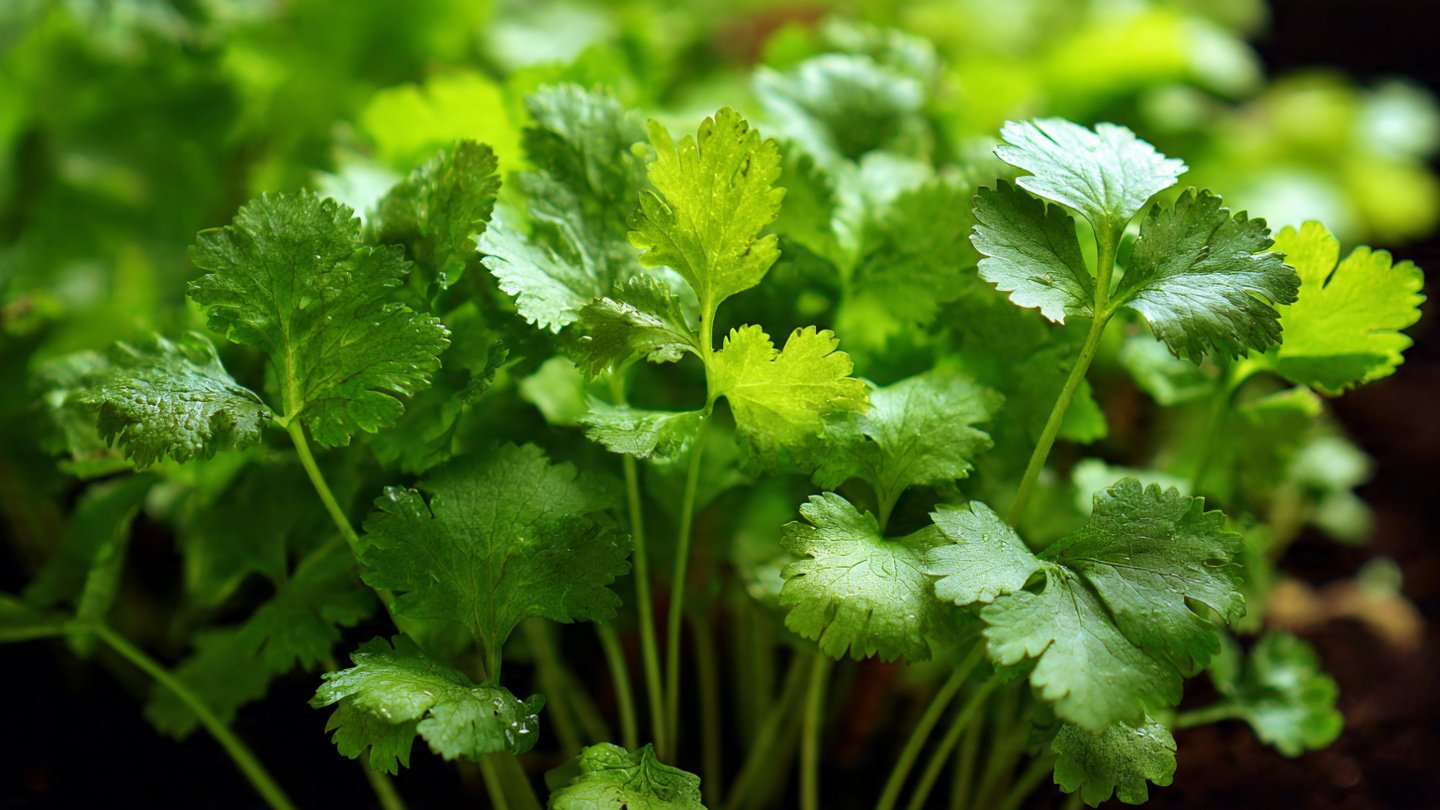
Coriander, also known as cilantro, is a culinary favorite cherished for its fresh, citrusy leaves and aromatic seeds. Whether sprinkled on salads, blended into salsas, or used as a garnish in curries, this versatile herb can elevate any dish. Growing coriander at home is not only satisfying but also ensures a steady supply of fresh, flavorful leaves whenever needed. With the right techniques, you can grow coriander super fast, even in limited kitchen spaces, making your kitchen gardening experience both productive and enjoyable.
Understanding Coriander Growth
Before diving into fast-growing techniques, it is essential to understand how coriander develops. Coriander is an annual herb that completes its life cycle in one growing season. It typically grows from seeds, producing a cluster of tender leaves first, followed by flowering and seeds if left unchecked. The goal of kitchen gardeners is to maximize the leaf stage, as this is the most flavorful part of the plant.
Several factors influence coriander’s growth rate, including seed quality, soil conditions, watering, sunlight, temperature, and harvesting practices. By optimizing these factors, you can accelerate growth and enjoy a bountiful harvest in weeks rather than months.
Selecting the Right Seeds
The first step to growing coriander quickly is choosing high-quality seeds. Look for fresh, viable seeds labeled as “fast-growing” or “quick-germinating.” Avoid old or improperly stored seeds, as they may have reduced germination rates. Some popular fast-growing varieties include ‘Santo,’ ‘Calypso,’ and ‘Caribe,’ known for rapid leaf production and extended harvest periods.
Additionally, consider using pre-sprouted seeds or seedlings, which give you a head start. Sprouting coriander seeds for a day or two before sowing can reduce germination time, ensuring that your plants develop leaves faster.
Ideal Containers for Indoor Growth
For kitchen gardening, selecting the right container is crucial. Coriander has a relatively deep taproot, so opt for pots that are at least 8–10 inches deep with good drainage. Wide containers allow multiple plants to grow together, creating a lush mini-herb garden on your windowsill, balcony, or countertop.
Ensure the containers have drainage holes to prevent waterlogging, which can stunt growth and promote root rot. Using lightweight pots with saucers also makes it easier to move plants for optimal sunlight exposure.
Preparing the Soil
Healthy soil is the backbone of rapid coriander growth. Coriander thrives in well-draining, fertile soil with a slightly acidic to neutral pH of 6.2–7.0. A mix of garden soil, compost, and perlite or sand works well for container planting.
Enrich the soil with organic matter to provide essential nutrients, particularly nitrogen, which supports leafy growth. Avoid heavy or compacted soils, as they restrict root development and slow down the plant’s growth rate. Loosen the soil gently before sowing seeds, creating a fine, crumbly texture for faster seedling emergence.
Sowing Seeds for Speedy Growth
Sowing coriander seeds correctly is critical for fast germination. Begin by soaking the seeds in water for 12–24 hours. This softens the hard outer coat and speeds up the germination process.
Plant the seeds about a quarter to half an inch deep in the prepared soil, spacing them 2–3 inches apart. Cover lightly with soil and water gently. Keep the soil consistently moist but not waterlogged. With optimal conditions, coriander seeds can germinate in as little as 7–10 days, allowing you to start harvesting leaves sooner.
Providing Optimal Sunlight
Coriander grows best in full sun, ideally 4–6 hours of direct sunlight daily. However, in extremely hot climates, partial shade can prevent stress and bolting. For indoor kitchen gardens, place the pots near south-facing windows or under grow lights for 12–14 hours daily.
Using LED grow lights can significantly accelerate growth, especially in winter or low-light conditions. Position the lights 6–12 inches above the plants and adjust as they grow. Adequate light ensures that coriander develops vibrant, tender leaves quickly.
Watering and Moisture Management
Consistent watering is key to rapid coriander growth. The soil should remain evenly moist, as dry conditions slow down development. Water gently to avoid washing away seeds or disturbing young seedlings.
Mulching the soil with a thin layer of organic material, such as shredded leaves or straw, helps retain moisture, regulate temperature, and protect tender roots. Avoid overwatering, as soggy soil can lead to root rot and stunted growth.
Fertilization for Faster Leaf Production
To boost coriander growth, provide balanced nutrition. Use a nitrogen-rich organic fertilizer to encourage lush, green leaves. Liquid fertilizers like compost tea, fish emulsion, or diluted seaweed extract can be applied every 2–3 weeks for rapid results.
Avoid excessive phosphorus or potassium, as these nutrients stimulate flowering rather than leaf growth. By feeding coriander properly, you can maximize leaf production and accelerate harvest time.
Pruning and Harvesting Techniques
Regular harvesting is not just for enjoyment—it also stimulates faster growth. Begin harvesting leaves when the plants reach 4–6 inches in height. Trim the outer leaves first, leaving the central growth intact. This encourages the plant to produce new leaves quickly, extending the harvest period.
Pinch off any flower buds as they appear to prevent bolting, which can make the leaves bitter. By managing leaf production carefully, you can maintain a continuous supply of fresh coriander in record time.
Temperature Management
Coriander prefers cooler temperatures for steady growth, typically between 50°F and 85°F (10°C–29°C). Extremely hot or cold conditions can slow development or trigger early flowering.
Indoor gardeners can use fans, air conditioning, or shading techniques to maintain ideal temperatures. For outdoor gardeners, growing coriander in spring or fall ensures moderate conditions that promote fast leaf growth.
Companion Planting for Faster Growth
Companion planting can enhance coriander growth by creating favorable microenvironments. Planting coriander alongside lettuce, spinach, or basil provides partial shade, reduces soil temperature, and encourages healthy development.
Avoid planting coriander near aggressive root competitors, such as tomatoes or peppers, which can slow growth. Properly chosen companions also attract beneficial insects, improving overall plant health.
Pest and Disease Prevention
Healthy plants grow faster. Common pests like aphids, whiteflies, and spider mites can stress coriander and reduce growth rates. Use natural remedies such as neem oil, insecticidal soap, or companion planting with marigolds to deter pests.
Maintaining clean containers and ensuring proper spacing for airflow reduces the risk of fungal diseases. Healthy, stress-free coriander develops leaves faster, ensuring a speedy harvest.
Container Rotation and Light Adjustment
As coriander grows, its light requirements change. Rotate containers regularly to ensure even sunlight exposure and prevent leggy growth. For indoor gardeners, adjusting the position of grow lights as plants increase in height ensures optimal leaf production.
Proper light management can accelerate photosynthesis, fueling faster growth and improving leaf quality.
Continuous Sowing for an Endless Supply
To ensure a constant harvest, practice continuous sowing. Plant new seeds every 2–3 weeks in separate containers or alongside older plants. This strategy guarantees a staggered harvest, preventing periods without fresh coriander.
Continuous sowing is particularly useful for kitchen gardeners who want uninterrupted access to fresh, flavorful leaves for cooking.
Conclusion
Growing coriander super fast at home is entirely achievable with the right techniques. By selecting high-quality seeds, using suitable containers, providing fertile soil, managing water and light, and practicing proper harvesting, you can enjoy a rapid, flavorful harvest. Temperature management, companion planting, and pest prevention further enhance growth and ensure a thriving kitchen garden.
With these strategies, coriander can transform from a tricky herb to a fast-growing, highly rewarding addition to your home garden. Whether you are a beginner or an experienced gardener, this ultimate guide empowers you to enjoy fresh, aromatic coriander leaves all year round. Fast growth, continuous harvests, and vibrant flavor are now within your reach, making every meal more delightful and every gardening session more satisfying.
By implementing these methods, you can turn your kitchen into a lush herb oasis, ensuring a constant supply of fresh coriander for all your culinary adventures.