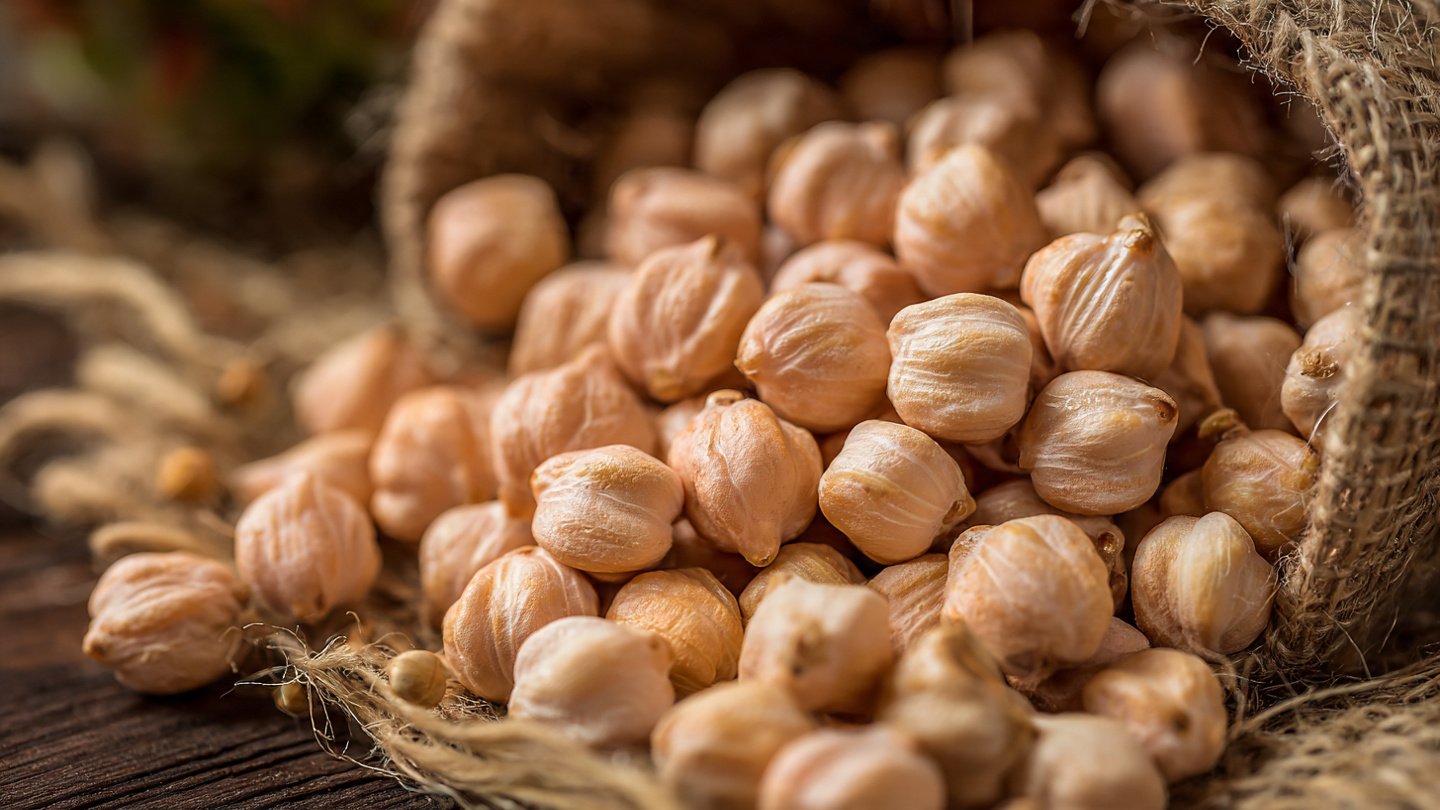
Chickpeas (Cicer arietinum), also known as garbanzo beans, are a versatile and highly nutritious legume that can be grown successfully at home. Rich in protein, fiber, vitamins, and minerals, chickpeas are ideal for healthy diets, offering a plant-based source of energy that can be used in salads, soups, stews, and homemade hummus. Growing chickpeas at home not only ensures fresh, chemical-free beans but also allows gardeners to enjoy the satisfaction of cultivating their own nutritious food. This step-by-step guide explains how to grow chickpeas easily, from seed to harvest.
Understanding Chickpeas
Chickpeas are cool-season legumes that thrive in well-drained soil and moderate climates. They are typically grown as annuals, producing both edible seeds and green pods. There are two main types:
- Desi Chickpeas: Small, dark seeds with a rough coat, commonly used for flour and traditional dishes.
- Kabuli Chickpeas: Larger, lighter-colored seeds, often used in salads, soups, and hummus.
Chickpeas are nitrogen-fixing plants, meaning they improve soil fertility by enriching it with nitrogen, which benefits other crops in your garden.
Choosing the Right Location
Chickpeas grow best in areas that receive full sunlight for at least 6–8 hours per day. The ideal location should have:
- Well-Drained Soil: Avoid waterlogged areas, as chickpeas are susceptible to root rot. Sandy loam or loamy soil is ideal.
- Moderate Climate: Chickpeas prefer daytime temperatures between 70°F and 85°F (21°C–29°C). Excessive heat can reduce flowering and seed development, while frost can damage young seedlings.
- Space for Growth: Chickpeas grow upright but can reach 12–24 inches in height. Ensure proper spacing to allow airflow and prevent disease.
Choosing the right location sets the foundation for healthy plants and a successful harvest.
Preparing the Soil
Proper soil preparation ensures strong root development and nutrient availability. Steps include:
- Test Soil pH: Chickpeas thrive in slightly acidic to neutral soil (pH 6.0–7.0).
- Add Organic Matter: Incorporate compost or well-rotted manure to improve fertility, texture, and water retention.
- Loosen the Soil: Use a garden fork or tiller to break up compacted soil, ensuring roots can penetrate easily.
- Avoid Excess Nitrogen: Chickpeas fix their own nitrogen, so heavy nitrogen fertilizers are unnecessary and can lead to excessive foliage at the expense of pod development.
Well-prepared soil ensures strong seedlings, healthy growth, and high yields.
Starting Chickpeas from Seeds
Chickpeas can be grown directly from seeds sown in the garden. Follow these steps for successful germination:
- Select Quality Seeds: Choose fresh, untreated chickpea seeds from a reliable source.
- Pre-Soak Seeds: Soak seeds in water for 8–12 hours before planting to speed up germination.
- Planting Depth: Sow seeds 1–2 inches deep, spacing them 3–4 inches apart in rows that are 18–24 inches apart.
- Watering: Keep the soil consistently moist but not waterlogged until seeds germinate. Germination typically occurs within 7–14 days.
Direct sowing is ideal for most home gardeners and allows plants to establish strong root systems.
Caring for Chickpea Plants
Once seedlings emerge, proper care ensures healthy growth and maximum yield. Key practices include:
Watering
Chickpeas prefer moderate, consistent moisture, particularly during flowering and pod formation. Guidelines:
- Avoid Overwatering: Excess water can lead to root rot.
- Water Deeply: Encourage deep root growth by providing sufficient water once or twice a week rather than shallow daily watering.
- Reduce Watering Near Harvest: Allowing soil to dry slightly before harvesting pods improves seed quality.
Proper water management is crucial for healthy plants and abundant beans.
Fertilization
Chickpeas require minimal fertilization due to their nitrogen-fixing ability, but occasional supplementation supports growth:
- Phosphorus and Potassium: Apply a balanced fertilizer or compost with higher phosphorus and potassium to encourage flowering and pod development.
- Avoid Excess Nitrogen: Too much nitrogen promotes leafy growth but reduces flower and pod production.
Balanced nutrition ensures plants allocate energy to producing nutritious seeds.
Support and Spacing
Chickpeas grow upright but may benefit from light support in windy areas. Adequate spacing prevents overcrowding, reduces disease risk, and improves airflow around plants.
Mulching
Applying mulch around the base of chickpea plants helps:
- Retain soil moisture
- Suppress weeds
- Regulate soil temperature
- Reduce soil-borne diseases
Straw, grass clippings, or leaf mulch are excellent options.
Pest and Disease Management
Chickpeas are generally hardy, but some pests and diseases can affect growth:
- Aphids: Small insects that suck sap, causing leaf curling. Use insecticidal soap or attract natural predators like ladybugs.
- Cutworms: These larvae can damage young seedlings. Protect seedlings with collars or barriers.
- Fungal Diseases: Root rot and powdery mildew can occur in poorly drained or humid conditions. Ensure proper spacing, avoid overwatering, and remove affected plants promptly.
Monitoring plants regularly helps prevent minor issues from becoming major problems.
Flowering and Pollination
Chickpeas produce small white, pink, or purple flowers that are self-pollinating. Proper care during flowering ensures high pod set:
- Maintain Consistent Moisture: Drought stress can reduce flower retention and pod formation.
- Protect From Extreme Heat: High temperatures during flowering can cause flower drop. Light shade or afternoon protection may help in very hot climates.
Healthy flowering is critical for producing large, nutritious chickpea pods.
Harvesting Chickpeas
Chickpeas can be harvested as green pods or dried seeds, depending on intended use:
Green Chickpeas
- Timing: Harvest when pods are plump and bright green, usually 60–70 days after planting.
- Use: Green chickpeas can be boiled, roasted, or added to salads.
- Frequency: Pick regularly to encourage continued pod production.
Dried Chickpeas
- Timing: Allow pods to mature and dry on the plant. Pods turn tan or brown and rattle when shaken.
- Harvesting: Cut the entire plant or individual pods, and let them dry further in a warm, ventilated area.
- Threshing: Remove seeds from pods by gently cracking or rubbing them.
- Storage: Store dried chickpeas in airtight containers in a cool, dark place. Properly stored, dried beans can last for several months.
Harvesting at the right stage ensures maximum flavor, nutrition, and storage life.
Saving Seeds for Next Season
Chickpeas are easy to save for future planting:
- Select Healthy Plants: Choose the strongest, most productive plants for seed saving.
- Fully Mature Pods: Wait until pods are completely dry before collecting seeds.
- Storage: Store seeds in cool, dry conditions to maintain viability.
- Labeling: Keep track of variety and harvest year for future reference.
Saving seeds promotes sustainability and allows gardeners to continue growing fresh chickpeas year after year.
Companion Planting
Chickpeas are beneficial in crop rotation and companion planting:
- Nitrogen Fixation: They improve soil fertility for subsequent crops like tomatoes, peppers, and leafy greens.
- Good Companions: Carrots, cucumbers, and radishes grow well alongside chickpeas.
- Avoid Planting Near: Onions or garlic, which can inhibit legume growth.
Strategic companion planting enhances garden productivity and soil health.
Benefits of Growing Chickpeas at Home
Homegrown chickpeas offer numerous advantages:
- Nutritional Value: Rich in protein, fiber, vitamins, and minerals.
- Freshness: Homegrown beans are more flavorful and tender than store-bought options.
- Cost Savings: Growing your own reduces grocery expenses.
- Sustainability: Reduces reliance on commercial farming, supports eco-friendly gardening, and improves soil fertility.
- Gardening Satisfaction: Cultivating a nutritious, productive plant is rewarding and educational.
Growing chickpeas is a simple and effective way to add nutrition and flavor to your home garden.
Tips for Success
- Choose climate-appropriate chickpea varieties.
- Prepare well-drained, fertile soil.
- Pre-soak seeds to ensure rapid germination.
- Maintain consistent moisture and avoid overwatering.
- Fertilize with phosphorus and potassium but limit nitrogen.
- Provide adequate spacing and support if needed.
- Mulch to retain moisture and suppress weeds.
- Monitor for pests and diseases regularly.
- Harvest at the appropriate stage for green or dried beans.
- Save seeds for future planting to create a sustainable cycle.
Following these tips maximizes productivity and ensures healthy, nutritious beans.
Conclusion
Growing chickpeas at home is simple, rewarding, and highly beneficial. From preparing the soil and selecting the right seeds to watering, fertilizing, and harvesting, each step contributes to healthy, productive plants. Whether harvested fresh or dried, chickpeas offer unmatched nutritional value and culinary versatility.
By following this step-by-step guide, even novice gardeners can cultivate fresh, flavorful chickpeas, enjoy bountiful harvests, and contribute to a sustainable, self-sufficient home garden. With proper care and attention, homegrown chickpeas can become a staple of your garden and your diet, providing crisp, nutritious beans for meals throughout the year.