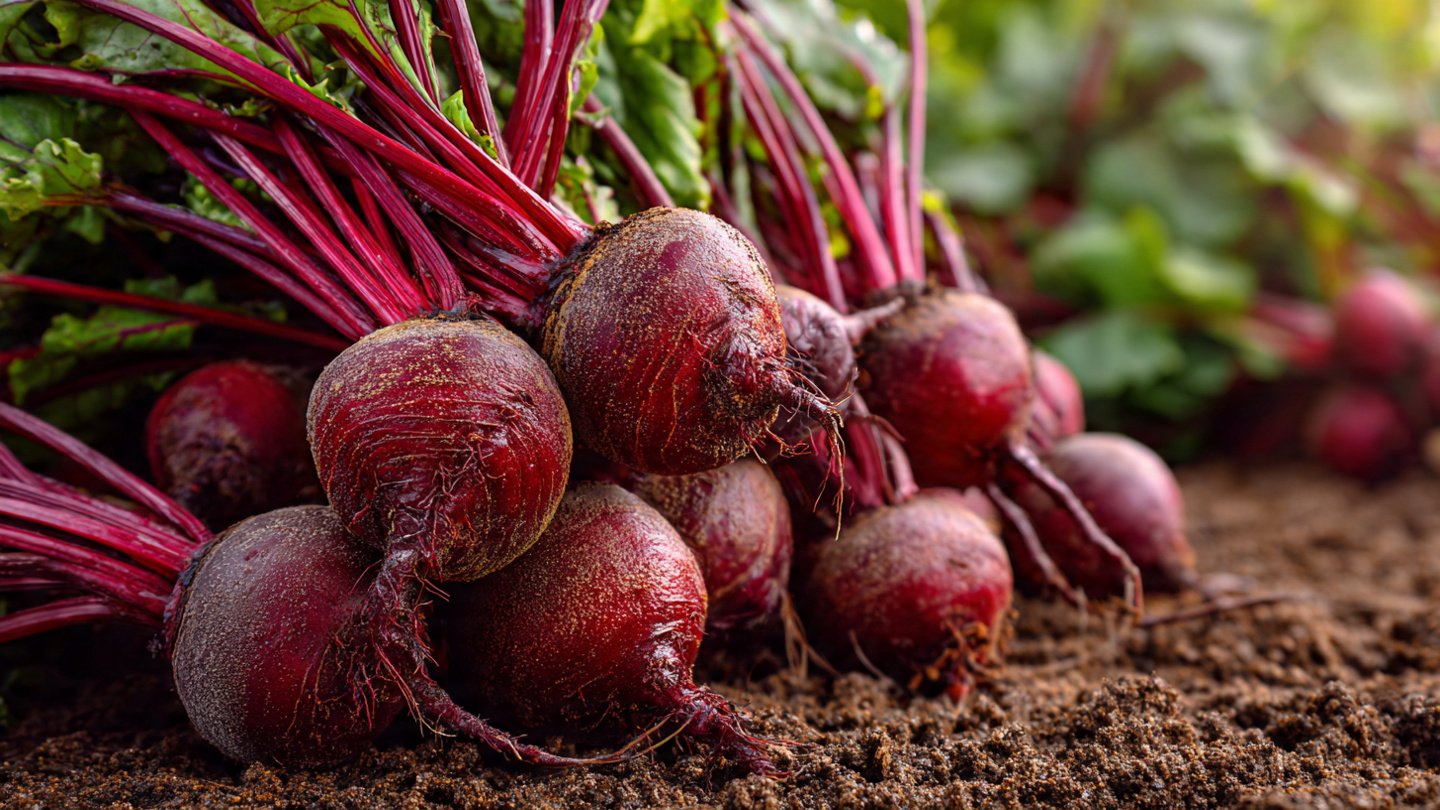
Beetroot is a versatile, nutrient-rich vegetable that adds vibrant color and earthy flavor to salads, smoothies, roasted dishes, and juices. Growing beetroot at home allows you to enjoy fresh, healthy, and chemical-free produce straight from your garden or containers. Unlike many vegetables, beetroot is relatively easy to cultivate, making it ideal for beginner and experienced gardeners alike. With the right techniques, you can achieve a continuous harvest of juicy, colorful roots and tender greens. This comprehensive guide will take you step by step through the process of growing beetroot at home, from seed selection to harvesting and storage.
Why Grow Beetroot at Home?
Homegrown beetroot offers numerous benefits that go beyond flavor:
- Nutritional Value: Beetroot is rich in vitamins A, C, and K, as well as minerals like iron, magnesium, and potassium. Its natural nitrates also support healthy blood pressure and cardiovascular function.
- Freshness: Harvesting beetroot at the peak of maturity ensures maximum flavor and nutrient content, which store-bought beets often lack.
- Cost-Effective: Growing your own beetroot is economical, especially when compared to buying organic varieties from the market.
- Sustainability: Home cultivation reduces packaging waste and transportation emissions, making it an eco-friendly choice.
- Dual Harvest: Both the roots and the tender beet greens are edible, providing multiple harvests from a single planting.
These benefits make beetroot a highly rewarding vegetable to grow at home, whether in a backyard garden, raised bed, or container.
Choosing the Right Beetroot Variety
Selecting the right beetroot variety is the first step toward a successful harvest. There are several types to consider:
- Red Beetroot: The most common variety, known for its deep red color and sweet flavor.
- Golden Beetroot: Vibrant yellow-orange roots with a milder taste, less likely to stain.
- Chioggia (Candy Stripe): Known for its pink and white striped flesh and slightly sweeter flavor.
- Baby Beetroot: Harvested when small and tender, perfect for salads and quick roasting.
Choose a variety suited to your climate, growing space, and culinary preferences. For container gardening, smaller varieties like baby beetroot are ideal, while larger roots can thrive in garden beds.
Preparing the Soil
Beetroot thrives in well-draining, loose soil that is rich in organic matter. Proper soil preparation is key to producing large, healthy roots.
- Soil Type: Loamy or sandy soil is best. Heavy clay can cause misshapen roots.
- pH Level: Beets prefer slightly acidic to neutral soil (pH 6.0–7.0).
- Amendments: Incorporate compost or well-rotted manure to improve fertility and drainage. Avoid high-nitrogen fertilizers, which promote leaf growth at the expense of root development.
- Soil Depth: Loosen soil to a depth of 12 inches to allow roots to expand freely.
By optimizing soil conditions, you provide an ideal environment for robust root growth and a bountiful harvest.
Sowing Beetroot Seeds
Beetroot is typically grown from seeds, which can be sown directly into the soil. Here’s how to sow them for the best results:
- Timing: Beets prefer cool weather and can be planted in early spring or late summer. In mild climates, they can grow year-round.
- Seed Preparation: Beet seeds are actually clusters of several seeds. For uniform growth, separate and select the largest seeds, if possible.
- Planting Depth: Sow seeds ½ inch deep, spacing them 1–2 inches apart.
- Row Spacing: Space rows 12–18 inches apart to allow adequate room for root expansion.
- Watering: Moisten the soil gently after sowing to ensure good seed-to-soil contact.
Beet seeds germinate in 5–10 days under optimal conditions, so keeping the soil consistently moist during this period is crucial.
Thinning Seedlings
Once seedlings have developed 2–3 true leaves, thinning is necessary to prevent overcrowding. Overcrowded plants produce small, underdeveloped roots:
- Spacing: Thin seedlings to 3–4 inches apart.
- Method: Gently cut or pull excess seedlings at the soil line to avoid disturbing neighboring plants.
- Baby Beet Option: If you prefer smaller, tender roots, you can skip thinning and harvest baby beets earlier.
Thinning ensures each plant has adequate space for root development and improves airflow, reducing the risk of disease.
Watering and Care
Beetroot requires consistent care to thrive:
- Watering: Keep soil evenly moist but not waterlogged. Deep watering once or twice a week encourages strong root growth.
- Mulching: Apply organic mulch around plants to retain moisture, suppress weeds, and regulate soil temperature.
- Fertilization: Use a low-nitrogen, phosphorus-rich fertilizer to promote root growth. Fertilize every 3–4 weeks during the growing season.
- Weeding: Remove weeds regularly to prevent competition for nutrients and water.
Proper care ensures healthy plants and large, flavorful roots.
Pest and Disease Management
Beetroot is relatively hardy but can still face pests and diseases:
- Aphids: Small, sap-sucking insects that can stunt growth. Spray with water or insecticidal soap.
- Leaf Miners: Larvae that tunnel into leaves, leaving white trails. Remove affected leaves promptly.
- Fungal Diseases: Leaf spot or downy mildew can affect growth. Ensure proper spacing and avoid overhead watering to reduce humidity around leaves.
- Root-Knot Nematodes: Microscopic worms that cause swollen roots. Rotate crops and amend soil with organic matter to reduce risk.
Regular monitoring and early intervention help prevent infestations and maintain healthy crops.
Harvesting Beetroot
Beetroot is ready for harvest when roots reach a usable size, typically 1½–3 inches in diameter. The timing depends on the variety and desired size:
- Baby Beets: Harvest 4–6 weeks after sowing when roots are small and tender.
- Mature Beets: Harvest 8–12 weeks after sowing for larger roots.
- Leaf Harvest: Beet greens are edible at any stage and can be harvested by cutting outer leaves while leaving inner leaves to continue growing.
When harvesting, loosen soil gently with a fork to avoid bruising or damaging the roots. Beetroot can be stored in a cool, dark place or refrigerated for several weeks.
Extending the Harvest
To enjoy beetroot throughout the growing season:
- Succession Planting: Sow new seeds every 2–3 weeks for continuous harvest.
- Container Gardening: Grow beetroot in pots or raised beds to extend the season and optimize space.
- Cold Weather Protection: Use row covers or cold frames to protect plants during early spring or late fall.
Succession planting and protection strategies ensure a steady supply of colorful, nutritious beets all season long.
Cooking and Nutritional Uses
Beetroot is incredibly versatile in the kitchen:
- Roasting: Enhances natural sweetness and flavor.
- Salads: Baby beet greens and thinly sliced roots add color and nutrition.
- Juicing: Fresh beet juice is rich in vitamins and natural nitrates.
- Pickling: Preserves beets for later use while adding tangy flavor.
Both the roots and leaves are edible, making beetroot a dual-purpose crop that maximizes nutrition and culinary options.
Benefits of Growing Beetroot at Home
- Freshness: Immediate access to freshly harvested, pesticide-free produce.
- Cost Savings: Reduces reliance on store-bought vegetables.
- Sustainability: Minimizes transportation and packaging waste.
- Health Benefits: Encourages healthy eating habits and provides a rich source of essential nutrients.
Growing beetroot at home is an enjoyable, rewarding, and healthy gardening endeavor.
Conclusion
Beetroot is one of the most rewarding vegetables to grow at home, offering vibrant colors, nutritional benefits, and versatile culinary uses. By selecting the right variety, preparing fertile soil, sowing seeds correctly, and maintaining consistent care, you can enjoy a continuous harvest of fresh, healthy, and colorful beetroot. With attention to watering, pest management, and succession planting, your home garden can provide beetroot for months, offering both roots and greens for the kitchen.
Whether you are a seasoned gardener or a beginner, beetroot is a simple, low-maintenance crop that delivers impressive results. Freshly harvested beets not only enhance your meals with taste and color but also promote health and well-being. With this complete guide, you are now ready to grow your own beetroot at home and enjoy the satisfaction of a vibrant, nutritious, and productive garden.