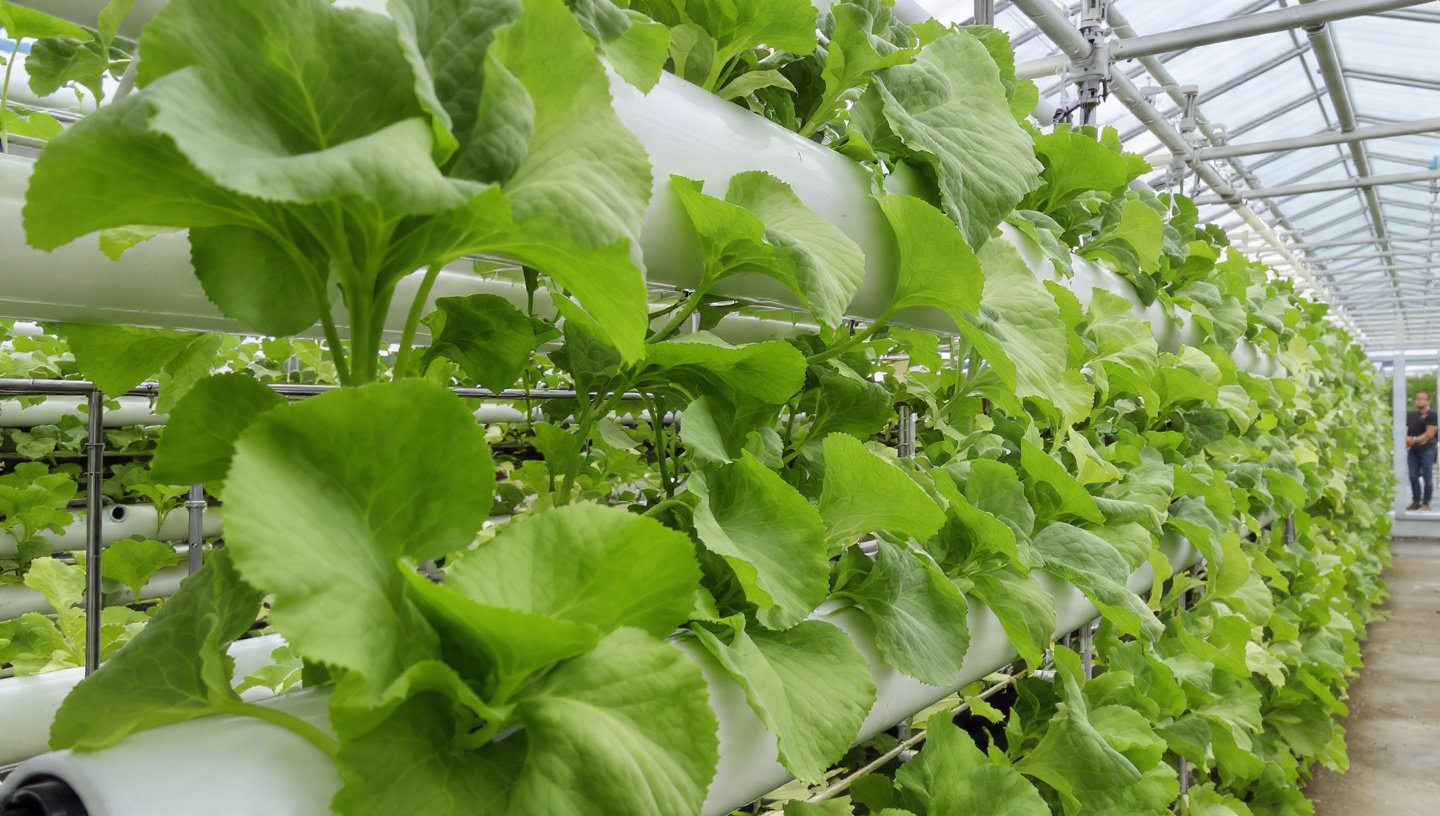
For home gardeners, nothing beats the joy of harvesting fresh, homegrown vegetables. But traditional gardening often requires weeks, or even months, before you can enjoy your first bite. What if you could grow vegetables and start eating them in just five days? With the right techniques, fast-growing seeds, and proper care, this is entirely possible. This guide will walk you through everything you need to know to grow and harvest vegetables quickly, from choosing the fastest seeds to maximizing growth indoors or outdoors.
Choosing Fast-Growing Vegetables
Not all vegetables can be harvested in five days, so selecting the right crops is crucial. Microgreens and sprouts are the fastest options, often ready in just 4–10 days. Here are some of the best choices for rapid harvest:
- Radish Microgreens: Radish seeds germinate quickly, producing edible shoots in as little as 4–5 days. They have a peppery flavor similar to mature radishes.
- Arugula Microgreens: Arugula grows extremely fast and has a spicy, tangy taste that works perfectly in salads or sandwiches.
- Mustard Greens: Mustard seeds sprout quickly and provide flavorful, tender greens in under a week.
- Broccoli Sprouts: Packed with nutrients, broccoli sprouts grow within five days and are ideal for smoothies, sandwiches, or salads.
- Cress: Garden cress grows quickly and adds a fresh, peppery flavor to any dish.
By focusing on these microgreens and sprouts, you can enjoy fresh, nutrient-rich vegetables almost immediately.
Materials You’ll Need
To successfully grow vegetables in five days, preparation is key. Here’s a list of essential materials:
- Fast-germinating seeds: Radish, arugula, mustard, cress, or broccoli.
- Growing trays or shallow containers: Ensure good drainage.
- Seed-starting soil or medium: A light, well-draining mix encourages rapid growth.
- Spray bottle: For gentle, even watering.
- Light source: Sunlight or full-spectrum grow lights.
- Plastic cover or humidity dome (optional): Helps maintain moisture and speed up germination.
Having all materials ready before you start ensures a smooth, fast-growing process.
Step 1: Preparing Your Growing Medium
A healthy growing medium is essential for rapid germination. Use a seed-starting mix or a combination of:
- Coconut coir or peat moss: Holds moisture without compacting.
- Perlite or vermiculite: Ensures proper aeration.
- Compost or nutrient supplement: Provides initial nutrients for strong sprouts.
Fill your tray with about 1–2 inches of medium. Smooth the surface and gently mist it with water to create an evenly moist environment for seeds. Avoid overwatering, as soggy soil can cause seeds to rot.
Step 2: Sowing Seeds
Fast-growing seeds are small, so precise sowing is important. Spread seeds evenly across the surface of your medium, leaving a little space between them. Lightly press them into the soil but don’t bury them too deep, as microgreens and sprouts germinate best near the surface. Covering with a thin layer of soil is optional depending on the seed type; some, like cress and mustard, do not require coverage.
Once sown, mist the seeds gently to avoid displacing them. Covering the tray with a plastic dome or cling film can help retain moisture and warmth, creating the perfect microenvironment for germination.
Step 3: Providing Optimal Light and Temperature
Light and temperature play a critical role in rapid vegetable growth. Most microgreens thrive in temperatures between 65°F and 75°F (18–24°C).
- Sunlight: Place trays near a south-facing window for natural light. Ensure the plants receive at least 4–6 hours of light daily.
- Grow lights: If sunlight is limited, use full-spectrum LED grow lights. Keep them 12–18 inches above the seedlings and run them for 12–16 hours per day.
Consistent warmth and light help seeds sprout quickly and produce tender, edible greens in record time.
Step 4: Watering and Maintaining Moisture
Proper watering is essential for fast-growing vegetables. Microgreens and sprouts require constant moisture, but waterlogging can harm them.
- Use a spray bottle to mist seedlings 2–3 times a day.
- Ensure the soil remains moist but not soggy.
- Remove the plastic cover gradually after germination to prevent mold and allow airflow.
Monitoring moisture levels carefully ensures healthy sprouts that are ready to harvest within five days.
Step 5: Harvesting Your Microgreens
One of the most exciting aspects of growing fast vegetables is harvesting. Microgreens are ready when their first true leaves appear, usually 4–5 days after germination.
- Use sharp scissors to cut the greens just above the soil level.
- Harvest in the morning for maximum freshness and flavor.
- Rinse gently before consumption.
Microgreens can be added to salads, sandwiches, smoothies, or garnishes, giving your meals a nutrient boost in a fraction of the time traditional vegetables take to grow.
Tips for Maximizing Growth Speed
To ensure you get vegetables in five days consistently, consider these tips:
- Choose high-quality seeds: Fast-germinating, fresh seeds improve success rates.
- Keep soil evenly moist: Avoid drying out, but don’t overwater.
- Maintain consistent warmth: Rapid growth slows in cooler conditions.
- Use clean trays and tools: Prevent mold and bacterial growth.
- Rotate trays for even light exposure: Ensures uniform growth.
Following these tips helps you enjoy a continuous harvest of fresh greens.
Advantages of Growing Fast Vegetables
Growing microgreens and sprouts in five days has several advantages:
- Nutrient density: Microgreens contain higher concentrations of vitamins and antioxidants than mature vegetables.
- Fast results: Perfect for impatient gardeners or small indoor spaces.
- Space-saving: Requires minimal space compared to traditional gardening.
- Cost-effective: Small trays of seeds produce multiple servings of greens.
- Versatile: Great for salads, smoothies, soups, and garnishes.
These benefits make quick-growing vegetables an excellent choice for modern households.
Indoor vs. Outdoor Growing
While microgreens grow well both indoors and outdoors, indoor cultivation has several advantages:
- Controlled environment: Protects seedlings from pests, wind, and unpredictable weather.
- Year-round harvest: Light and temperature can be managed to produce continuous crops.
- Convenience: Easy access to fresh greens without leaving the kitchen.
Outdoor growing works too, but conditions must be warm, sunny, and consistently moist. Indoor trays offer more control and reliability for a five-day harvest.
Extending Your Quick Harvest
Once you’ve successfully grown your first batch, you can extend your harvest with succession planting:
- Sow a new tray every 2–3 days.
- Harvest the mature tray while the next one is growing.
- Rotate seed varieties to add flavor and nutritional variety.
With this system, you can enjoy fresh microgreens daily without long waiting periods.
Safety and Storage
Fast-growing vegetables are generally safe to eat raw, but it’s important to practice proper hygiene:
- Use clean trays and utensils.
- Rinse greens before eating.
- Store harvested microgreens in airtight containers in the refrigerator. They usually last 3–5 days.
Following these practices ensures your quick-growing vegetables remain fresh, tasty, and safe.
Conclusion
Growing and harvesting vegetables in just five days is not a dream—it’s achievable with the right seeds, growing medium, and care. Microgreens and fast-growing sprouts like radish, arugula, mustard, and broccoli offer a nutrient-dense, flavorful addition to your diet almost immediately. By choosing the right seeds, maintaining optimal light, temperature, and moisture, and harvesting at the right time, you can enjoy fresh vegetables faster than ever before.
Whether you live in a small apartment or a spacious home, these quick-growing greens make gardening accessible, efficient, and rewarding. Start today, and in less than a week, you’ll have your first crop of tender, vibrant vegetables ready to eat. Fast-growing vegetables are perfect for anyone looking to enjoy homegrown produce without waiting weeks or months.
Embrace the speed, enjoy the freshness, and experience the satisfaction of harvesting your own vegetables in just five days.