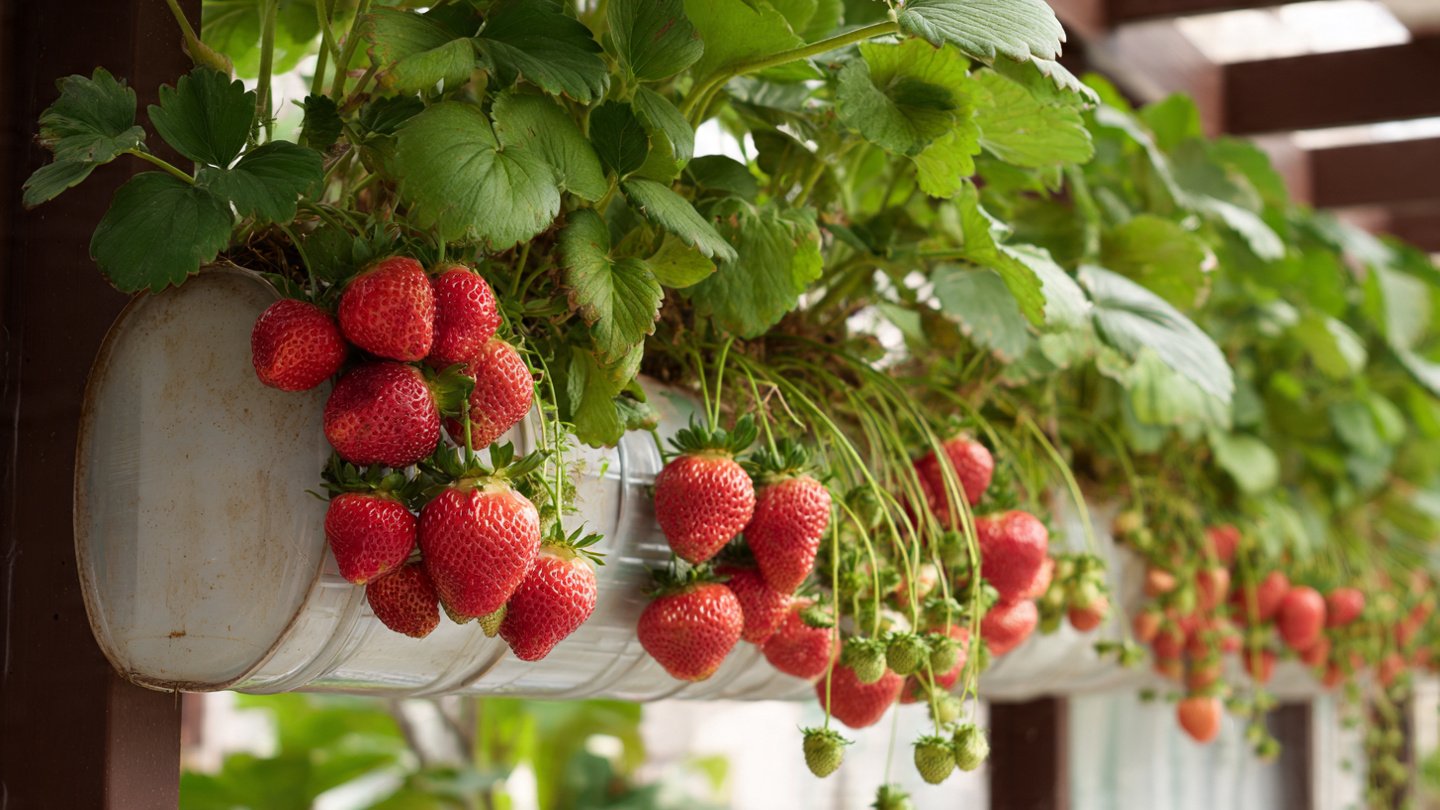
Urban living often comes with limited space, but it does not have to limit your ability to grow fresh food. With creativity, patience, and a few discarded plastic bottles, even a small balcony can become a productive strawberry garden. Transforming waste into abundance is not only environmentally responsible but also deeply rewarding. Strawberries are particularly well suited for container gardening, making them an ideal crop for balconies and small outdoor spaces. By repurposing plastic bottles, you can reduce waste, save money, and harvest sweet, homegrown fruit throughout the growing season.
Plastic bottles are one of the most common household waste items, yet they offer incredible potential as gardening containers. Their lightweight structure, durability, and availability make them perfect for vertical and compact gardening systems. Instead of sending them to landfills, using them to grow strawberries creates a sustainable loop where waste becomes nourishment.
The first step in creating a balcony strawberry garden is choosing the right bottles. Large bottles, such as two-liter soda bottles or five-liter water containers, work best because they provide sufficient root space. Clear bottles are usable, but opaque ones are preferred because they protect roots from excess light, which can stress plants. If only clear bottles are available, wrapping them with fabric, paper, or paint can solve this issue.
Once bottles are selected, preparation is key. Bottles should be thoroughly cleaned to remove any residue. Cut an opening on the side or top large enough to insert soil and the strawberry plant. Drainage holes at the bottom are essential, as strawberries are sensitive to waterlogged roots. Proper drainage ensures healthy growth and prevents rot, one of the most common issues in container gardening.
Strawberries thrive in well-draining, nutrient-rich soil. A lightweight potting mix combined with compost works well in bottle gardens. Avoid using heavy garden soil, which can compact easily and restrict root growth. Adding perlite or coconut coir improves aeration and water retention, creating an ideal balance for strawberry plants. Because plastic bottles hold limited soil, nutrient availability must be carefully managed from the beginning.
Choosing the right strawberry variety plays a major role in maximizing yield. Everbearing and day-neutral varieties are excellent for balconies because they produce fruit multiple times throughout the season rather than all at once. These varieties adapt well to containers and provide a steady supply of berries when cared for properly. Selecting healthy starter plants or runners gives your garden a strong foundation.
Balcony placement is another critical factor. Strawberries require ample sunlight to produce fruit, ideally six to eight hours per day. A south-facing or west-facing balcony usually provides the best light. If sunlight is limited, positioning bottles vertically or in staggered arrangements can reduce shading and maximize exposure. Vertical hanging systems are especially effective, allowing multiple plants to grow upward rather than outward.
Watering is one of the most important ongoing tasks in a plastic bottle strawberry garden. Containers dry out faster than ground soil, especially on sunny balconies. Strawberries prefer consistently moist soil, but overwatering can cause root problems. Checking moisture daily and watering when the top inch of soil feels dry helps maintain balance. Drip watering or slow-pour watering methods prevent soil displacement and ensure even moisture.
Feeding strawberries regularly is essential for high yields. Because nutrients leach out of containers quickly, plants benefit from frequent, gentle fertilization. Organic liquid fertilizers, compost tea, or diluted fish emulsion can be applied every two to three weeks. Avoid overfeeding with nitrogen-heavy fertilizers, which encourage leafy growth at the expense of fruit production.
As plants grow, proper spacing and airflow become increasingly important. Overcrowding can lead to poor air circulation, increasing the risk of fungal diseases. Each bottle should house only one strawberry plant to ensure adequate root space and airflow. Removing excess runners allows the plant to focus its energy on fruit production rather than spreading.
Pollination is often overlooked in balcony gardens but is essential for fruit formation. Strawberries are self-pollinating, yet gentle movement helps transfer pollen. On balconies with limited insect activity, lightly shaking plants or using a soft brush to touch flowers can improve fruit set. Opening balcony doors or adding flowering companion plants can also attract pollinators.
One of the advantages of plastic bottle gardening is pest control. Elevated containers reduce exposure to common ground pests such as slugs and snails. However, aphids and spider mites can still appear. Regular inspection allows early detection, and simple solutions like rinsing leaves with water or using mild soap sprays can keep infestations under control without harsh chemicals.
Pruning and maintenance play a role in long-term productivity. Removing old or damaged leaves improves airflow and reduces disease risk. Trimming runners prevents overcrowding and encourages larger, healthier berries. Consistent care, even in small increments, leads to noticeable improvements in yield and plant health.
Harvesting strawberries grown in plastic bottles is one of the most satisfying aspects of balcony gardening. Berries should be picked when fully red and slightly soft. Harvesting regularly encourages continued production and prevents overripe fruit from attracting pests. Freshly picked strawberries from your own balcony often surpass store-bought fruit in flavor and freshness.
Seasonal considerations also matter. In hot climates, bottles may need shade during peak afternoon heat to prevent root stress. In cooler regions, bottles can be moved closer to walls or indoors temporarily to extend the growing season. The portability of plastic bottle gardens is a major advantage, allowing gardeners to respond easily to weather changes.
Beyond food production, a balcony strawberry garden offers emotional and environmental benefits. Watching plants grow from recycled containers fosters a deeper connection to sustainability. It demonstrates that meaningful change can begin at home, even in small spaces. For families and children, it provides hands-on learning about food systems, recycling, and responsibility.
Turning plastic bottles into a high-yield strawberry garden is not about perfection but about progress. Each bottle reused reduces waste, each plant grown increases food security, and each harvest reinforces the value of mindful living. Balcony gardening proves that abundance does not require large land or expensive tools, only creativity and care.
From waste to abundance, this approach transforms everyday items into sources of nourishment and joy. Plastic bottles, once discarded, become vessels of life. With thoughtful planning and consistent attention, a simple balcony can produce bowls of sweet strawberries, offering both practical rewards and a powerful reminder that sustainability begins with small, intentional actions.
In a world facing environmental challenges and urban limitations, growing strawberries in plastic bottles is more than a gardening project. It is a statement of resilience, resourcefulness, and hope.