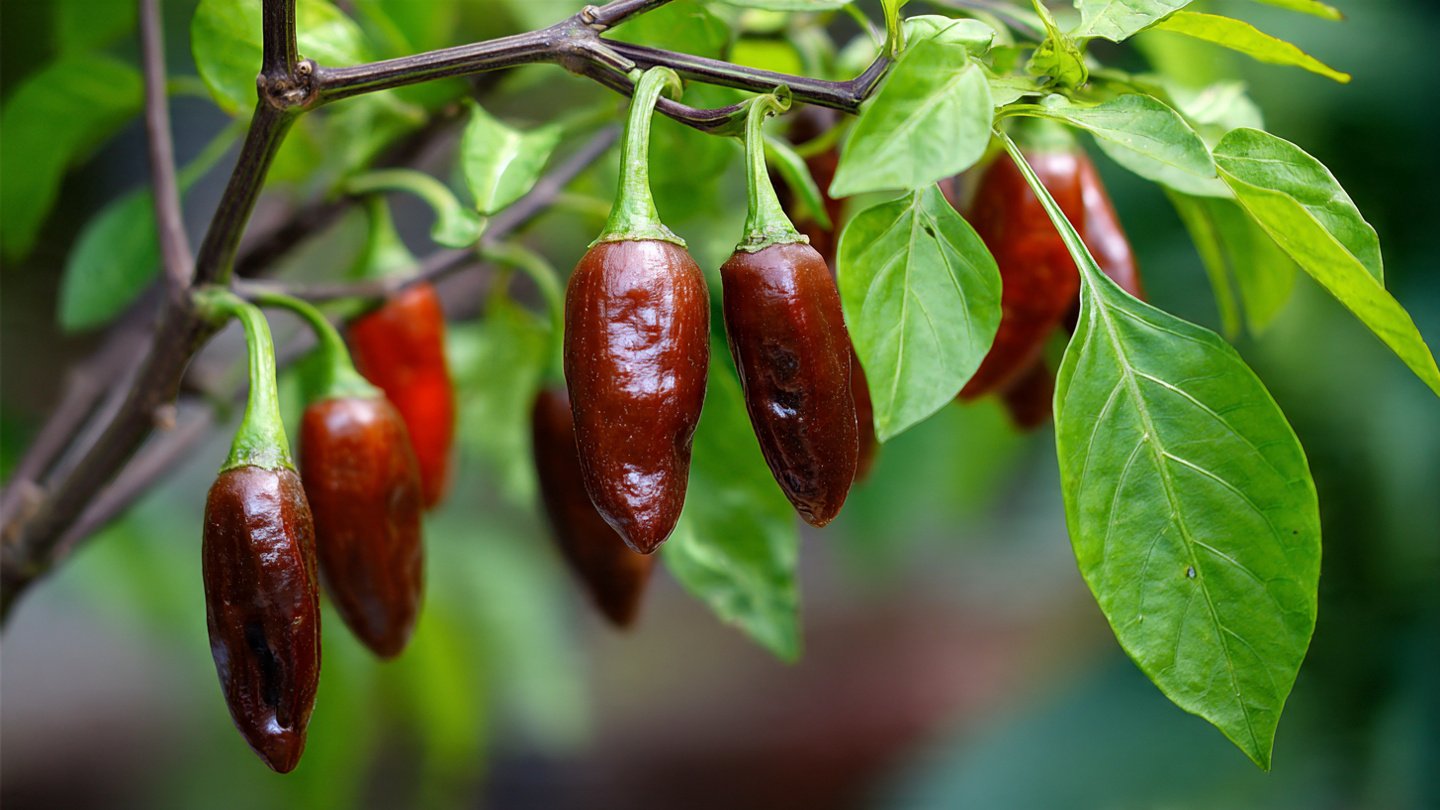
Peppers are among the most versatile and rewarding plants for home gardeners. From sweet bell peppers to fiery chili varieties, they add color, flavor, and spice to countless dishes. Growing peppers at home allows gardeners to enjoy fresh, flavorful produce while controlling the growing conditions for optimal taste and nutrition. Whether you’re a beginner or an experienced gardener, understanding the full process from seed to harvest ensures a successful and satisfying pepper-growing experience. This comprehensive guide covers everything needed to grow healthy, productive pepper plants at home.
Choosing the Right Pepper Variety
The first step in growing peppers is selecting the variety that suits your taste, climate, and growing space. Peppers are broadly categorized into sweet and hot types. Sweet peppers, such as bell peppers and mini sweet varieties, are ideal for salads, stuffing, and cooking. Hot peppers, including jalapeños, habaneros, and cayennes, offer varying levels of heat for sauces, salsas, and seasoning.
When selecting seeds, consider factors like plant size, growth habit, and time to maturity. Compact varieties are perfect for container gardening, while larger types may thrive in garden beds with ample space. Check seed packets for information about sunlight requirements, frost tolerance, and expected harvest time to match your local climate.
Starting Peppers from Seeds
Starting peppers from seeds gives gardeners more variety choices and greater control over plant quality. Begin indoors six to eight weeks before the last expected frost. Use seed-starting trays or small pots filled with a light, well-draining seed-starting mix.
Plant seeds about one-quarter inch deep and lightly cover them with soil. Keep the soil consistently moist but not waterlogged. Maintaining warmth is crucial, as peppers require a soil temperature of sixty-five to eighty degrees Fahrenheit for germination. A heating mat or warm indoor location can improve germination rates.
Seeds typically germinate in seven to twenty-one days, depending on variety and conditions. Once seedlings emerge, provide bright light from a sunny windowsill or supplemental grow lights for twelve to sixteen hours daily. Rotate seedlings to encourage upright growth and prevent legginess.
Transplanting Seedlings
After seedlings develop two to four true leaves and outdoor temperatures are consistently warm, they are ready for transplanting. Harden off seedlings by gradually exposing them to outdoor conditions over seven to ten days, starting with a few hours of sunlight and gradually increasing exposure.
Choose a planting site with full sun for at least six to eight hours daily. Peppers thrive in warm, well-drained soil with a slightly acidic to neutral pH between six and seven. Space plants eighteen to twenty-four inches apart for optimal airflow and growth. Plant seedlings at the same depth they were in their pots, gently firming the soil around the roots.
Soil Preparation
Peppers perform best in rich, well-draining soil. Before planting, amend garden soil with compost, well-rotted manure, or organic matter to improve fertility and structure. Adding perlite or sand enhances drainage, preventing root rot. Nutrient-rich soil supports vigorous growth, abundant flowering, and high fruit yield.
Mulching around pepper plants helps retain moisture, suppress weeds, and maintain stable soil temperatures. Organic mulch, such as straw or shredded leaves, gradually breaks down, adding nutrients to the soil. Proper soil preparation lays the foundation for healthy plants and a productive harvest.
Watering and Fertilizing
Consistent watering is essential for pepper plants. Peppers prefer evenly moist soil; both overwatering and underwatering can cause stress, blossom drop, and reduced fruit development. Water deeply once or twice weekly, adjusting frequency based on weather and soil type. Water at the base of the plant to keep leaves dry, reducing the risk of fungal diseases.
Fertilize peppers with a balanced, slow-release fertilizer at planting time. During the growing season, side-dress with compost or apply liquid fertilizers high in potassium and phosphorus to encourage flowering and fruiting. Avoid excessive nitrogen, which promotes leafy growth at the expense of fruit production. Well-fed plants produce larger, more flavorful peppers.
Supporting Pepper Plants
Some pepper varieties benefit from staking or caging, especially taller plants or those bearing heavy fruit. Support helps prevent stems from bending or breaking and improves air circulation around the foliage. Use stakes, tomato cages, or trellises to provide gentle support without damaging stems. Proper support ensures healthy growth and reduces fruit damage.
Managing Pests and Diseases
Peppers are generally hardy but can be affected by pests such as aphids, spider mites, and caterpillars. Regularly inspect plants for signs of infestation, including curled or discolored leaves. Remove pests by hand or treat with insecticidal soap or neem oil if necessary.
Fungal and bacterial diseases, such as powdery mildew or bacterial spot, can occur in warm, humid conditions. Prevent disease by providing adequate spacing, proper watering, and good air circulation. Remove infected leaves promptly to minimize spread and maintain plant health.
Flowering and Fruit Development
Pepper plants begin producing flowers several weeks after transplanting. Flowers are delicate and require pollination to produce fruit. Bees, wind, and manual pollination all contribute to successful fruit set. Gently shaking flowers or using a small brush can help transfer pollen in areas with limited pollinators.
Once pollinated, small fruits develop and gradually grow to maturity. Color changes depend on the variety, with peppers ripening from green to red, yellow, orange, or other shades. Avoid harvesting too early, as flavor and heat intensity develop as the fruit matures.
Harvesting Peppers
Harvesting peppers at the right time is essential for maximum flavor and heat. Sweet peppers are best picked when fully colored and firm, while hot peppers can be harvested at different stages depending on desired spiciness. Cutting fruit with a sharp knife or scissors preserves plant health and prevents stem damage.
Regular harvesting encourages the plant to continue producing new flowers and fruit. Leaving overripe or damaged peppers on the plant can slow growth and reduce overall yield. Proper harvesting ensures a continuous supply of fresh, flavorful peppers throughout the growing season.
Extending the Growing Season
In cooler climates, extending the growing season can increase pepper yields. Use row covers, cold frames, or greenhouse tunnels to protect plants from early or late frosts. Indoors, container-grown peppers can be moved to sunny locations or supplemented with grow lights to maintain growth during colder months.
Pruning older leaves and managing plant size also helps extend productivity. Healthy, well-maintained plants can produce peppers well into late summer and early fall, maximizing the harvest potential.
Preserving and Using Homegrown Peppers
Homegrown peppers can be used fresh or preserved for later use. Sweet peppers are ideal for salads, roasting, and stuffing, while hot peppers can be dried, pickled, or turned into sauces. Proper handling and storage maintain flavor, texture, and nutritional value.
Drying peppers in a well-ventilated area or using a food dehydrator preserves heat and flavor. Pickling peppers in vinegar or brine enhances shelf life while retaining freshness. These methods allow gardeners to enjoy their harvest year-round and add spice to a wide variety of dishes.
Conclusion
Growing peppers at home is a rewarding experience that combines beauty, flavor, and culinary versatility. From selecting the right seeds to nurturing seedlings, transplanting, watering, fertilizing, and harvesting, each step contributes to healthy, productive plants. By understanding pepper growth habits, soil requirements, pest management, and proper care techniques, gardeners can cultivate vibrant, flavorful peppers in both garden beds and containers.
With attention to detail, patience, and consistent care, homegrown peppers provide a steady supply of fresh, colorful fruit that enhances meals and brings satisfaction to the gardener. From seed to spice, growing peppers at home is a fulfilling endeavor that delivers both visual appeal and culinary delight.