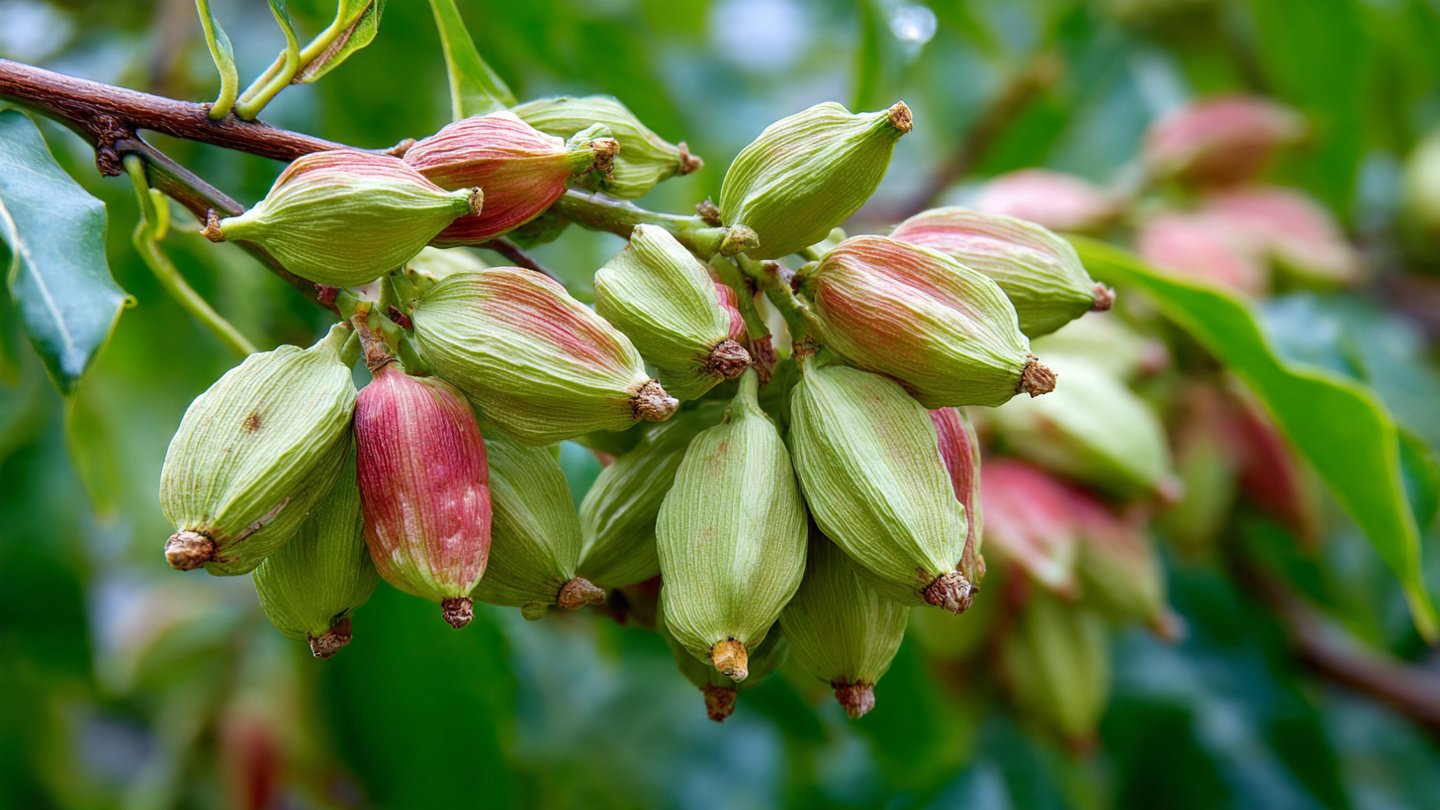
Cardamom (Elettaria cardamomum), often called the “queen of spices,” is a fragrant, tropical herb native to South India and Sri Lanka. Its aromatic seeds are highly prized in culinary dishes, teas, and even traditional medicines. Growing cardamom at home allows gardeners to cultivate fresh, potent spice, reduce dependence on store-bought pods, and enjoy the aesthetic beauty of lush, tropical foliage. While cardamom is often considered challenging to grow, a carefully structured approach from seed to harvest can yield successful results even for beginners. This guide provides detailed, step-by-step instructions for cultivating cardamom at home.
Understanding Cardamom and Its Growth Requirements
Cardamom is a perennial, clumping herb that grows in tropical and subtropical climates. It thrives under the canopy of larger plants or trees, as it naturally grows in shaded forest floors. The plant prefers:
- Temperature: Between 60–95°F (15–35°C)
- Humidity: High, ideally above 70%
- Soil: Rich, well-draining, loamy soil with a slightly acidic pH (5.5–6.5)
- Watering: Consistently moist but not waterlogged
Cardamom produces elongated green or reddish pods that contain aromatic seeds. It takes patience, as the plant usually takes 2–3 years to produce mature pods suitable for harvesting. Understanding its natural habitat is key to replicating conditions at home for successful growth.
Sourcing Cardamom Seeds
Cardamom can be grown from seeds, although propagation from rhizomes or tissue culture is faster and often used commercially. For beginners, seeds provide an authentic learning experience.
Choosing Seeds
- Select seeds from fully mature pods harvested within the past year. Fresh seeds have higher viability.
- Avoid seeds that are dried, shriveled, or moldy, as they will have poor germination rates.
- If possible, obtain seeds from trusted nurseries or organic sources to ensure quality and authenticity.
Preparing Seeds
- Soak seeds in warm water for 24 hours before sowing. This softens the hard seed coat and improves germination.
- Some gardeners also lightly scarify the seed coat to further enhance sprouting rates, though care must be taken to avoid damaging the embryo.
Preparing the Growing Medium
Cardamom seedlings require loose, fertile soil with excellent drainage. A suitable medium can be prepared as follows:
- Soil Mix: 40% garden loam, 30% compost, 20% sand, and 10% coco peat or leaf mold.
- pH Adjustment: Test soil pH and adjust if necessary using organic amendments such as lime or peat moss.
- Sterilization: For indoor cultivation, sterilize soil by baking or steaming to reduce fungal risks.
A nutrient-rich, well-aerated soil promotes strong root development and early seedling vigor.
Sowing Cardamom Seeds
Sowing requires patience and gentle handling:
- Fill small seed trays or pots with the prepared soil mix.
- Place one seed about 1 cm deep in the soil. Cardamom seeds need light for germination, so avoid burying too deeply.
- Cover lightly with soil and gently water.
- Maintain consistent moisture using a fine mist or bottom watering.
Seeds usually take 3–8 weeks to germinate, depending on temperature and freshness. Patience is critical, as germination is slow compared to many other herbs.
Providing Optimal Germination Conditions
Cardamom requires a stable environment during germination:
- Temperature: Maintain around 70–85°F (21–29°C) using indoor heating or a warm, sheltered location.
- Humidity: Cover trays with a transparent plastic dome or bag to maintain high humidity, ensuring ventilation to prevent fungal growth.
- Light: Bright, indirect sunlight encourages healthy seedling growth once sprouts emerge. Avoid harsh direct sunlight, which can scorch tender seedlings.
Monitoring these conditions closely ensures higher germination success rates.
Transplanting Seedlings
Once seedlings develop two or three true leaves, they can be transplanted into larger pots or nursery beds:
- Pot Selection: Use pots at least 6–8 inches deep to accommodate developing roots.
- Soil: Use a well-draining, organic-rich soil mix similar to the germination medium.
- Spacing: If planting multiple seedlings in a nursery bed, maintain 12–15 cm between plants.
Handle seedlings gently to avoid damaging roots, which are sensitive at this stage. Gradual acclimatization to outdoor conditions can reduce transplant shock.
Light, Shade, and Placement
Cardamom grows naturally under forest canopies, so replicating shaded conditions is essential for healthy growth:
- Provide 50–70% shade using shade cloth, netting, or placing plants under larger trees.
- Avoid exposing seedlings to direct afternoon sun, which can dry leaves and stunt growth.
- Adequate light is still necessary for photosynthesis and flowering, so balance shade and brightness carefully.
Correct light conditions prevent leaf burn, support strong foliage, and eventually encourage flower and pod production.
Watering Practices
Consistent moisture is crucial for cardamom growth:
- Young plants: Keep soil evenly moist, avoiding waterlogging.
- Mature plants: Deep watering 2–3 times per week supports pod development.
- Humidity maintenance: Mist leaves or use trays of water near indoor plants to mimic tropical humidity.
Proper watering supports leaf health, root development, and prevents stress-induced browning or reduced flowering.
Fertilization and Nutrition
Cardamom is a heavy feeder and requires regular nutrient supplementation:
- Organic fertilizers: Compost, well-rotted manure, and leaf mold improve soil fertility and structure.
- NPK Fertilizers: A balanced 10:10:10 formulation applied every 3–4 months supports vegetative and root growth.
- Micronutrients: Magnesium, iron, and zinc are important for healthy green leaves and robust pods.
Applying fertilizers correctly ensures vigorous growth, reduces disease susceptibility, and maximizes future pod yields.
Flowering and Pod Development
Cardamom plants typically flower 2–3 years after planting. Flowers emerge on long stalks and are delicate white or pale green in color. Each flower develops into a pod containing the aromatic seeds.
- Pollination: Cardamom flowers rely on insects, particularly bees, for pollination. If growing indoors, gentle hand-pollination may be necessary to improve pod set.
- Support: Some varieties may require staking to support tall flower stalks.
- Pruning: Remove dead or damaged leaves and stems to channel energy into flowering and pod production.
Healthy flowering plants are essential for maximizing the number of pods harvested.
Pest and Disease Management
Cardamom is susceptible to pests such as aphids, spider mites, and caterpillars, and fungal infections like leaf blight or rhizome rot:
- Inspect plants regularly for early signs of infestation or disease.
- Use organic insecticidal soaps or neem oil to control pests.
- Ensure proper spacing, air circulation, and well-draining soil to reduce fungal problems.
Effective pest and disease management ensures plants remain healthy and productive.
Harvesting Cardamom Pods
Pods are ready for harvest when they turn green or slightly yellow and reach full size:
- Gently pick pods by hand to avoid damaging stems.
- Harvest regularly, as this encourages continued pod production.
- Dry pods in a shaded, well-ventilated area to preserve flavor and aroma.
Freshly harvested cardamom seeds retain stronger fragrance and taste compared to store-bought options.
Long-Term Care and Sustainability
To maintain a home cardamom crop:
- Maintain consistent watering and shade conditions.
- Continue applying organic matter and fertilizers as the plant matures.
- Prune periodically to maintain shape and encourage new growth.
- Rotate plants if possible to prevent soil nutrient depletion.
With proper care, a home-grown cardamom plant can produce spice for several years, providing both culinary and aesthetic value.
Conclusion
Growing cardamom at home is a rewarding journey from seed to spice, offering fresh, aromatic pods and lush tropical foliage. Success relies on understanding the plant’s natural habitat, selecting high-quality seeds, and providing optimal soil, light, water, and nutrient conditions. Propagating and nurturing seedlings with care ensures robust growth, healthy flowering, and productive pods over the long term.
Whether grown in pots indoors, in shade gardens, or in tropical outdoor landscapes, home-grown cardamom allows gardeners to experience the satisfaction of cultivating one of the world’s most prized spices. With patience, consistent care, and attention to detail, anyone can enjoy the aroma, flavor, and beauty of cardamom right in their own home.