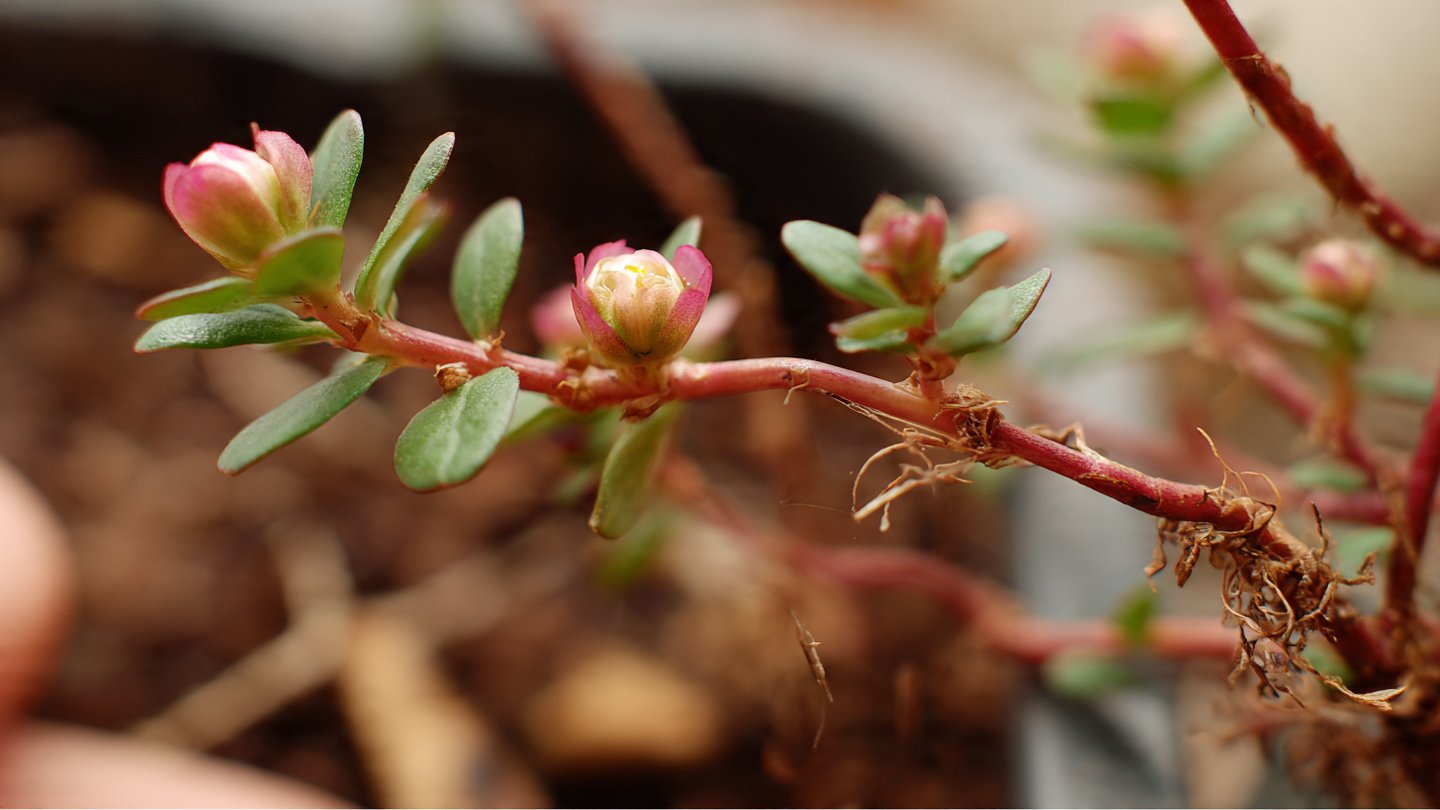
Portulaca, commonly known as moss rose, is a hardy, low-maintenance flowering plant prized for its vibrant blooms, drought tolerance, and ability to thrive in sunny, dry conditions. While it can be grown from seeds, propagating Portulaca from cuttings is faster, more reliable, and ensures true-to-type plants with vibrant flower colors. Growing Portulaca from cuttings is an excellent option for gardeners seeking rapid results and a continuous supply of blooms. This guide explores effective techniques for successfully propagating Portulaca from cuttings, covering preparation, planting, care, and troubleshooting to achieve healthy, flowering plants.
Understanding Portulaca and Its Growth Habits
Portulaca is a succulent annual that spreads across soil or containers, producing colorful, cup-shaped flowers in shades of pink, red, yellow, orange, white, and bi-colors. Its succulent leaves store water, allowing the plant to withstand hot, dry conditions, making it ideal for rock gardens, hanging baskets, borders, and containers.
Understanding Portulaca’s growth habits is important for successful propagation. The plant produces trailing stems that root easily when in contact with soil. Soft, healthy stems are particularly suitable for cuttings, which can develop roots quickly with minimal effort. Propagating from cuttings ensures uniformity in flower color and plant structure, unlike seed propagation, which can result in variability.
Selecting Healthy Parent Plants
The first step in propagating Portulaca from cuttings is selecting a healthy parent plant. Choose a plant with strong, vigorous growth, free from pests and diseases. Avoid plants that are flowering excessively, as energy devoted to blooms may reduce the success of rooting. The ideal cutting comes from young, soft, succulent stems that are flexible but firm to the touch.
Healthy parent plants produce more vigorous cuttings, increasing the likelihood of successful propagation and robust new growth.
Choosing the Right Stems for Cuttings
When taking cuttings, select stems that are at least three to four inches long with multiple nodes. Nodes are the points where leaves emerge and are essential for root formation. Avoid woody or damaged stems, as these are less likely to root successfully.
Cuttings should be taken in the morning when the plant is fully hydrated. This reduces stress and prevents wilting. Use clean, sharp scissors or pruning shears to make a clean cut just below a node, which encourages root development.
Preparing Portulaca Cuttings
Once cuttings are taken, remove the leaves from the lower half of the stem. This reduces moisture loss and prevents leaves from rotting when buried in soil or placed in a rooting medium. Leave a few leaves at the top to allow photosynthesis to continue.
Some gardeners lightly allow cuttings to dry for a few hours or overnight before planting. This creates a callus at the cut end, reducing the risk of rot and enhancing root development.
Selecting a Rooting Medium
Portulaca cuttings root best in well-draining, light soil. A mix of sand, perlite, and peat moss or coco peat provides ideal drainage while retaining enough moisture for root formation. Avoid heavy garden soil, which can retain too much water and cause stem rot.
Fill small pots, trays, or containers with the prepared medium and moisten it lightly. The medium should be damp but not soggy. Proper drainage is critical because excessive moisture is the leading cause of failure when propagating succulents.
Planting the Cuttings
Insert the prepared Portulaca cuttings into the rooting medium about one to two inches deep, ensuring that at least one node is buried. Gently firm the soil around the stem to hold it upright. If planting multiple cuttings in the same container, space them a few inches apart to avoid overcrowding and encourage airflow.
For additional support, cuttings can be inserted into a propagation tray or shallow container with drainage holes. Using a transparent cover or plastic bag to create a mini-greenhouse can help maintain humidity, which encourages faster rooting.
Optional Use of Rooting Hormone
While Portulaca generally roots easily without rooting hormone, using it can accelerate the process and increase success rates. Dip the cut end of the stem into a rooting hormone powder or gel before planting. Shake off excess hormone and insert the cutting into the medium. Rooting hormone is particularly helpful for gardeners working in drier environments or with less vigorous cuttings.
Providing Optimal Environmental Conditions
Portulaca cuttings require warmth, bright light, and moderate humidity to root successfully. Place containers in a location with indirect sunlight, avoiding harsh midday sun, which can stress the cuttings. Temperatures between 20°C and 28°C are ideal.
Maintaining moderate humidity encourages root development without causing rot. If using a plastic cover or mini-greenhouse, ventilate daily to prevent fungal growth. Overly wet conditions or stagnant air can lead to cutting failure.
Watering and Moisture Management
Watering Portulaca cuttings requires balance. Keep the rooting medium lightly moist but never soggy. Too much water can lead to stem rot, while too little slows rooting. Mist the cuttings lightly if the medium begins to dry, especially in hot or dry environments.
Once roots begin to form, gradually reduce humidity and water slightly more deeply to encourage stronger root development. Well-established roots will allow the plant to absorb water efficiently and support vigorous growth.
Root Development and Timeline
Portulaca cuttings generally develop roots within 2 to 3 weeks. Signs of successful rooting include resistance when gently tugged, new leaf growth at the top, and visible white roots emerging from nodes. Patience is essential during this phase; avoid disturbing cuttings prematurely, as this can damage developing roots.
The speed of rooting may vary depending on temperature, light, humidity, and cutting quality. Maintaining consistent care ensures faster and healthier root formation.
Transplanting Rooted Cuttings
Once cuttings have established a strong root system, they can be transplanted into individual pots or garden beds. Use well-draining soil enriched with organic matter. Plant at the same depth as in the propagation container to avoid burying leaves and risking rot.
Water thoroughly after transplanting and gradually acclimate plants to outdoor conditions if they were rooted indoors or under shade. This prevents shock and ensures continued healthy growth.
Care for Newly Established Plants
Newly transplanted Portulaca requires regular care to thrive. Place plants in full sun, as adequate light promotes vibrant flower production and compact growth. Water moderately, allowing the soil to dry slightly between waterings. Avoid overwatering, as Portulaca is a succulent that prefers slightly drier conditions once established.
Fertilize sparingly with a balanced, slow-release fertilizer or a diluted liquid fertilizer to encourage flowering. Over-fertilization can lead to excessive foliage growth with fewer blooms.
Encouraging Continuous Flowering
Portulaca flowers profusely under sunny conditions with well-draining soil. Deadheading is generally unnecessary, as the plant is self-cleaning. However, trimming overgrown or leggy stems can redirect energy toward flowering and maintain a compact, attractive shape.
Container-grown Portulaca benefits from occasional rotation to ensure even light exposure and prevent legginess. In garden beds, spacing plants adequately allows airflow and reduces disease risk, supporting continuous blooming throughout the season.
Common Challenges and Troubleshooting
While Portulaca is generally hardy, beginners may encounter some challenges. Excessive moisture can cause stem rot, while insufficient light leads to weak, leggy growth. Pests such as aphids and mealybugs may occasionally attack, but infestations are usually manageable with insecticidal soap or manual removal.
Using healthy cuttings, providing well-draining soil, and ensuring optimal environmental conditions minimizes most problems. Monitoring plants regularly allows for early intervention and improved propagation success.
Benefits of Growing Portulaca from Cuttings
Propagating Portulaca from cuttings offers several advantages. It ensures uniformity in flower color and growth habit, allows faster plant production compared to seeds, and reduces the waiting period for flowering. Cuttings are cost-effective and easy for beginners, making them ideal for mass planting in containers, hanging baskets, or garden beds.
Conclusion
Growing Portulaca from cuttings is a highly effective and beginner-friendly propagation method. By selecting healthy parent plants, preparing quality cuttings, providing a suitable rooting medium, and maintaining proper environmental conditions, gardeners can produce healthy, flowering Portulaca plants quickly and reliably.
With patience and consistent care, cuttings develop strong roots and thrive in containers or garden beds, offering continuous vibrant blooms throughout the growing season. Propagating Portulaca from cuttings is a rewarding way to expand your garden, enhance outdoor spaces, and enjoy a colorful, low-maintenance flowering plant that brings life and beauty to any landscape.