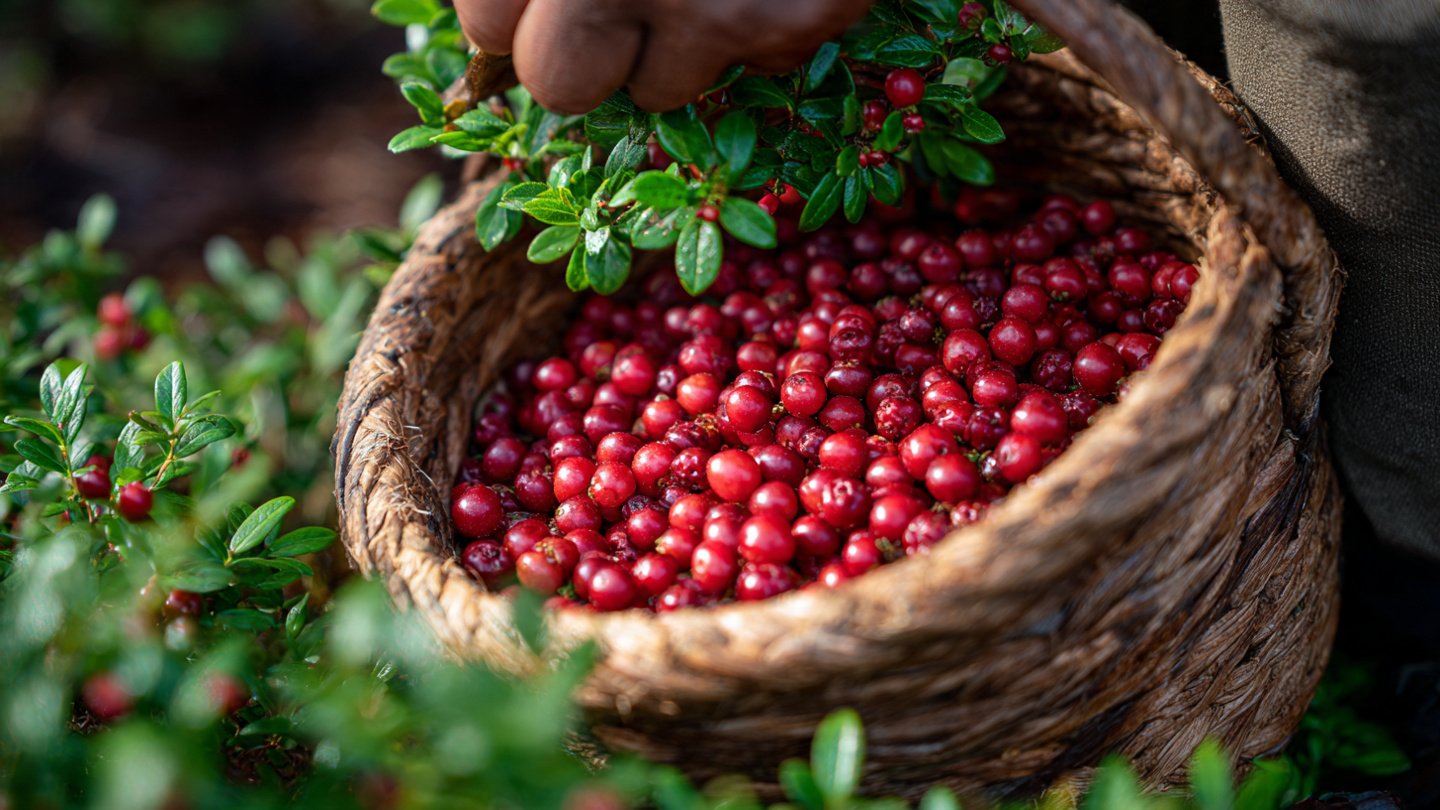
Lingonberries, often called “the red jewels of the forest,” are small, vibrant, and tart berries prized for their culinary versatility and high nutritional value. Cultivating lingonberries in your garden can provide a bountiful supply of these antioxidant-rich fruits, ideal for jams, sauces, desserts, and even fresh eating. While lingonberries are hardy and adaptable, successful cultivation requires attention to soil conditions, planting techniques, watering, pruning, and pest management. This guide offers essential tips for home gardeners aiming to grow healthy, productive lingonberry plants.
1. Understanding Lingonberry Plant Requirements
Lingonberries are low-growing, evergreen shrubs native to boreal forests. Understanding their natural habitat helps gardeners replicate conditions conducive to healthy growth and high yields. Key requirements include:
- Acidic Soil: Lingonberries prefer a soil pH between 4.0 and 5.5. Acidic soil promotes nutrient uptake and optimal growth. Neutral or alkaline soil can lead to nutrient deficiencies and poor fruiting.
- Well-Drained Soil: While lingonberries tolerate moist soils, they cannot withstand waterlogged roots. Good drainage is crucial to prevent root rot and fungal diseases.
- Sunlight: Lingonberries grow best in full sun to partial shade. Full sun encourages higher fruit yields, while partial shade can be acceptable in warmer climates.
- Cool Climate Preference: Lingonberries thrive in cooler conditions with long winters and short, mild summers. They are frost-hardy, making them suitable for northern regions, though they can adapt to temperate gardens with proper care.
By replicating their natural habitat, gardeners can give lingonberries the best chance to thrive and produce abundant fruit.
2. Selecting the Right Lingonberry Varieties
Choosing the appropriate variety is a critical step for successful cultivation. Different varieties vary in fruit size, yield, flavor, and growth habit. Popular choices for home gardens include:
- ‘Koralle’: Produces large, bright red berries with excellent flavor, ideal for fresh use or preserves. Suited to northern climates.
- ‘Red Pearl’: A compact, high-yielding variety with rich red fruits that ripen early in the season.
- ‘Erntedank’: Known for its abundant harvest and disease resistance, this variety is perfect for gardeners seeking low-maintenance plants.
- ‘Sussi’: Produces slightly larger berries with a tangy flavor, suitable for jams and sauces.
Selecting a variety suited to your climate, soil, and intended use ensures higher productivity and healthier plants.
3. Preparing the Soil for Lingonberries
Soil preparation is essential for successful lingonberry cultivation. Since these plants prefer acidic, well-drained soils, gardeners may need to amend their garden beds to meet these conditions.
- Testing Soil pH: Conduct a soil test to measure pH levels and nutrient content. Adjust pH with elemental sulfur if soil is too alkaline.
- Adding Organic Matter: Incorporate peat moss, pine needles, or composted acidic organic matter to improve soil structure and nutrient availability. This also helps retain moisture while ensuring drainage.
- Raised Beds: In heavy clay or poorly draining soils, consider planting lingonberries in raised beds. This provides better drainage and reduces the risk of root diseases.
- Mulching: Apply a 2–3 inch layer of mulch, such as pine bark or needles, around the base of the plants. Mulching maintains soil acidity, conserves moisture, and suppresses weeds.
Proper soil preparation ensures your lingonberries establish quickly and produce healthy, abundant fruit.
4. Planting Lingonberries Properly
Planting technique can significantly affect the growth, fruiting, and longevity of lingonberry shrubs.
- Timing: Early spring or late fall is ideal for planting, giving roots time to establish before extreme weather conditions.
- Spacing: Space plants 12–18 inches apart in rows, with 2–3 feet between rows. Adequate spacing improves air circulation, reduces disease risk, and allows room for plant expansion.
- Depth: Plant at the same depth as in the nursery container, ensuring roots are fully covered but the crown is slightly above soil level.
- Watering After Planting: Water thoroughly after planting to settle soil around roots. Consistent moisture during establishment encourages rapid root development.
- Layering: Lingonberries can also be propagated by layering stems. Pin a trailing branch to the soil, cover it lightly, and allow roots to develop. Once rooted, transplant to the desired location.
Correct planting practices establish a strong foundation for vigorous growth and long-term fruit production.
5. Watering Requirements for Healthy Growth
Lingonberries require consistent moisture, particularly during the growing season and fruiting period.
- Young Plants: Keep soil evenly moist during the first two years to help establish a robust root system.
- Established Plants: Water deeply once or twice a week, depending on rainfall. Avoid waterlogging, which can cause root rot.
- Mulch Benefits: Mulching helps retain soil moisture and moderates soil temperature, ensuring consistent hydration.
- Drought Sensitivity: Lingonberries are relatively tolerant of dry conditions but fruit yields may decrease if water stress occurs during flowering or berry development.
Proper watering helps produce plump, flavorful berries and supports overall plant health.
6. Fertilization for Optimal Fruit Yield
Lingonberries are not heavy feeders, but appropriate fertilization can improve growth, flowering, and fruiting.
- Nitrogen: Use small amounts of nitrogen to promote leafy growth. Over-fertilization can reduce berry production.
- Phosphorus and Potassium: Encourage flowering and fruit development. Apply a balanced fertilizer formulated for acid-loving plants.
- Timing: Fertilize in early spring and again in late spring if needed. Avoid late-season fertilization, as this can encourage vegetative growth rather than fruiting.
- Organic Options: Compost, well-rotted pine needles, or acidic mulch materials provide slow-release nutrients and improve soil health over time.
Balanced fertilization ensures lingonberries produce abundant, high-quality fruit without excessive leafy growth.
7. Pruning and Plant Maintenance
Pruning maintains plant health, improves air circulation, and encourages larger fruit clusters.
- Dormant Pruning: Conduct light pruning in late winter or early spring. Remove dead or damaged stems, and thin older wood to stimulate new growth.
- Fruitwood Management: Lingonberries produce fruit on 1-3 year-old wood. Removing overly old stems encourages production on younger, more productive branches.
- Mulching Renewal: Refresh mulch annually to maintain acidity, suppress weeds, and protect roots from temperature extremes.
- Weed Control: Keep the planting area free from weeds, which compete for nutrients and water, reducing berry size and yield.
Regular pruning and maintenance support healthy plants and maximize fruit production.
8. Protecting Plants from Pests and Diseases
Lingonberries are generally hardy and resistant to many pests, but vigilance is still necessary.
- Common Pests: Aphids, spider mites, and leafhoppers may appear. Regular inspection and use of organic insecticidal soaps or natural predators help manage infestations.
- Fungal Diseases: Powdery mildew or leaf spot can affect leaves, especially in humid conditions. Proper spacing, good air circulation, and removal of diseased leaves prevent spread.
- Bird Protection: Birds are attracted to bright red berries. Netting or scare devices may be necessary to protect fruit during peak ripening.
Proactive pest and disease management preserves fruit quality and maximizes harvest.
9. Encouraging Flowering and Fruit Set
Flowering is crucial for berry production. Lingonberries require adequate sunlight, water, and nutrient balance to set fruit successfully.
- Sunlight Exposure: Ensure plants receive at least 6 hours of sun daily. Sunlight promotes flower development and enhances berry sweetness.
- Pollination: Lingonberries are partially self-pollinating, but cross-pollination with other varieties can increase yield and cluster size.
- Stress Management: Avoid over-fertilization and excessive pruning during flowering, as stress can reduce fruit set.
Focusing on flower health and proper care during this critical stage ensures a bountiful harvest.
10. Harvesting Lingonberries
Harvesting at the right time guarantees the best flavor and quality.
- Timing: Berries are ready when they turn bright red and develop a tart-sweet flavor. Late summer to early fall is typically peak harvest time.
- Gentle Handling: Use a soft touch to avoid crushing berries. Lingonberries are delicate and bruise easily.
- Frequency: Multiple harvests may be needed as berries ripen at different rates. Regular picking prevents overripe fruit from attracting pests.
Proper harvesting techniques preserve berry quality and extend the harvest season.
Conclusion
Lingonberries are a rewarding crop for home gardeners, providing nutritious, versatile fruits for culinary use. Successful cultivation depends on understanding plant requirements, selecting the right variety, preparing suitable soil, planting correctly, managing water and nutrients, pruning strategically, controlling pests, encouraging flowering, and harvesting carefully. By following these essential tips, gardeners can cultivate healthy, productive lingonberry plants that produce abundant, vibrant red berries year after year. With patience, attention, and proper care, your garden can yield a stunning harvest of these forest treasures, offering both beauty and delicious fruit for your kitchen.