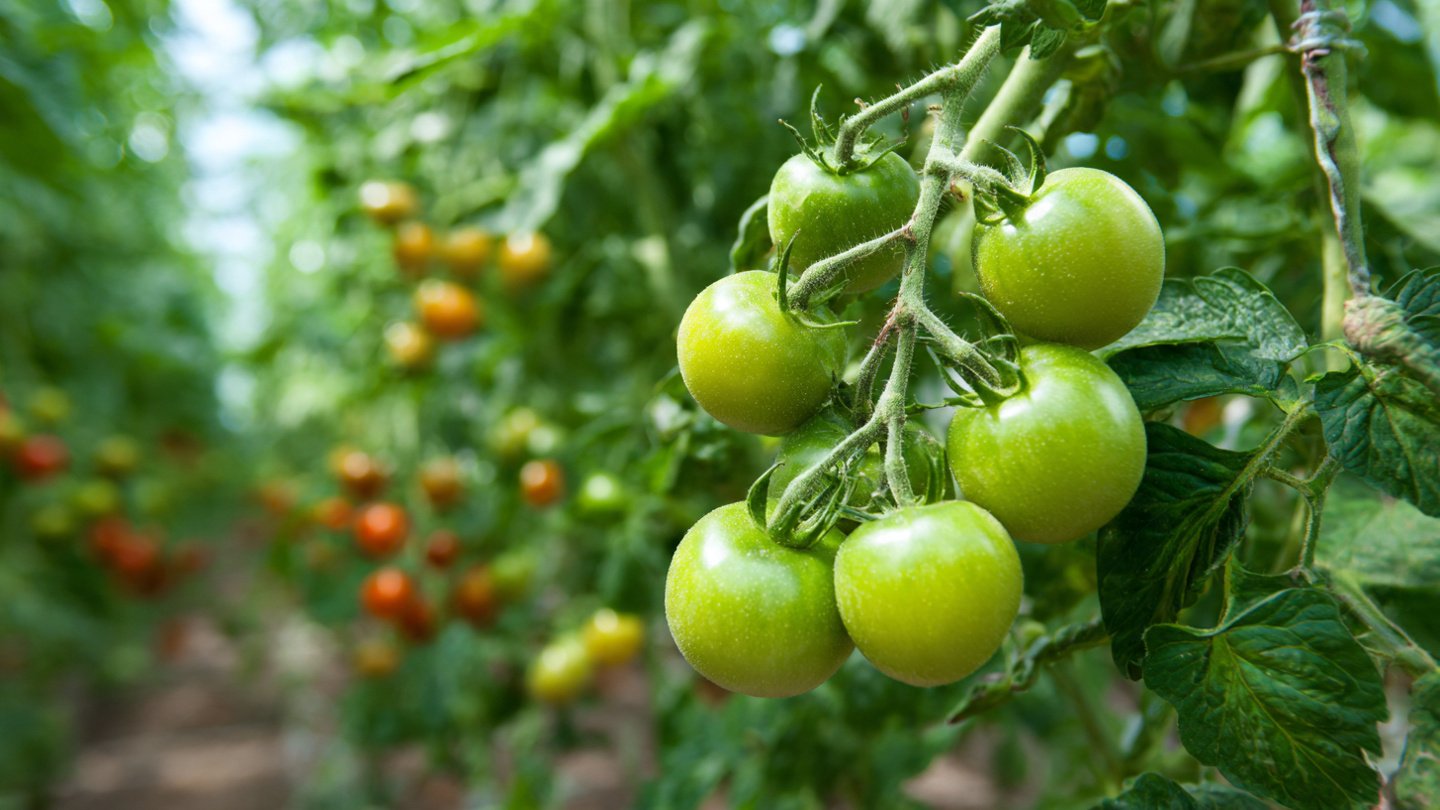
Tomatoes are one of the most widely grown and cherished garden crops, beloved for their rich flavor, versatility in cooking, and nutritional value. While most gardeners focus on planting, watering, and harvesting tomatoes, there is a critical stage in the growing cycle that is often overlooked: midseason growth. Midseason is when tomato plants have established roots, started flowering, and are setting fruit. However, during this stage, various environmental factors can dramatically influence growth, fruit development, and overall yield. Surprisingly, many gardeners do not consider these subtler factors, which can mean the difference between a bountiful harvest and a disappointing crop.
Understanding Midseason Growth
Midseason in tomato cultivation generally refers to the period when plants have grown past the initial vegetative stage but have not yet reached full maturity. During this time, the plant shifts focus from leaf and stem growth to flowering and fruit formation. Proper care during midseason is crucial because environmental stress can disrupt flowering, reduce fruit size, and even cause fruit drop.
While most gardeners know to maintain consistent watering and apply fertilizer, several less obvious environmental factors play significant roles in midseason growth. Recognizing and managing these factors can help maximize yield, fruit quality, and plant health.
Temperature Fluctuations
Temperature is one of the most critical yet often underestimated factors affecting midseason tomato growth. Tomatoes thrive in daytime temperatures between 70°F and 85°F (21°C–29°C) and nighttime temperatures between 55°F and 70°F (13°C–21°C).
Unexpected heat waves or cold snaps during midseason can cause serious problems. High daytime temperatures above 90°F (32°C) can lead to blossom drop, reducing the number of fruits that set. Conversely, nighttime temperatures above 72°F (22°C) can interfere with pollen viability, preventing fertilization. Low temperatures, especially below 50°F (10°C), can slow plant metabolism, reduce nutrient uptake, and cause fruit to develop poorly.
Gardeners often focus on average seasonal temperatures but overlook short-term fluctuations. Using shade cloths during extreme heat or protective covers during unexpected cold can help stabilize the environment and support healthy midseason growth.
Soil Moisture and Irrigation Practices
While most gardeners water tomato plants regularly, midseason growth requires precise moisture management. Both under-watering and over-watering can stress the plant. Insufficient water causes flowers to drop and fruit to crack, while excessive water can lead to root oxygen deprivation and nutrient leaching.
Tomatoes prefer deep, consistent watering rather than frequent shallow watering. Mulching with organic materials like straw or shredded leaves helps retain soil moisture, moderates soil temperature, and reduces evaporation. Gardeners often underestimate the importance of soil moisture consistency, especially during hot, dry periods in midseason. Maintaining even moisture encourages steady fruit growth and prevents common issues such as blossom end rot, which is exacerbated by fluctuating water availability.
Light Intensity and Duration
Light is essential for photosynthesis and healthy fruit development, yet the role of midseason light conditions is frequently overlooked. Tomatoes require 6–8 hours of direct sunlight daily for optimal growth. During midseason, when fruiting begins, insufficient light can reduce flower production and fruit set.
Cloudy periods, shading from nearby trees or taller plants, and changes in day length can affect midseason growth. In extreme cases, prolonged low light can cause plants to stretch, become weak, and produce fewer fruits. Indoor or greenhouse growers can compensate with supplemental grow lights, while outdoor gardeners should monitor sun exposure and prune surrounding vegetation as needed.
Humidity Levels
Humidity plays a subtle yet important role in tomato growth during midseason. High humidity can encourage fungal diseases such as early blight, powdery mildew, and leaf mold, which reduce leaf area and interfere with fruit development. On the other hand, very low humidity can lead to rapid water loss through transpiration, stressing the plant and reducing flower viability.
Maintaining moderate humidity around 50–70% is ideal for tomatoes. Gardeners often ignore this factor, assuming air circulation and natural weather patterns are sufficient. Simple measures like spacing plants adequately, using fans in greenhouses, and avoiding overhead watering can help maintain optimal humidity and prevent disease outbreaks.
Soil Fertility and Nutrient Availability
Midseason is when tomato plants demand a consistent supply of nutrients, especially nitrogen, phosphorus, potassium, calcium, and magnesium. Imbalances or deficiencies can manifest in subtle ways that gardeners might not immediately recognize.
- Nitrogen deficiency can reduce leaf growth, while excess nitrogen can encourage leafy growth at the expense of flowers and fruit.
- Phosphorus deficiency can delay flowering and fruit set.
- Potassium deficiency can result in smaller, unevenly ripened fruits.
- Calcium deficiency is a common cause of blossom end rot, particularly under irregular watering conditions.
Even if the soil was fertile at planting, midseason nutrient depletion can affect plant performance. Regular soil testing and targeted supplementation with organic or slow-release fertilizers can help maintain steady growth and fruit quality.
Wind Exposure and Mechanical Stress
Wind is a factor often ignored by gardeners but can have a considerable impact during midseason. Strong winds can damage stems, knock flowers off, or cause stress that triggers defensive growth responses. Stressed plants divert energy from fruit production to repair, reducing yield.
Support structures like stakes, cages, or trellises are essential to protect tomatoes from wind damage. Additionally, windbreaks, such as hedges or fences, can moderate air flow and create a more favorable microclimate for midseason growth.
Pollination Challenges
Tomato flowers require effective pollination for fruit set. While most gardeners assume pollination occurs naturally, midseason environmental conditions can interfere. High temperatures, low humidity, or excessive rainfall can prevent pollen from developing or reaching the stigma.
Hand pollination, using a small brush or gently shaking flowers, can help overcome environmental challenges and ensure fruit sets efficiently. This step is particularly valuable in greenhouse or urban garden settings, where natural pollinator activity may be limited.
Pests and Disease Pressure
Midseason is often when pest and disease pressure peaks, but many gardeners fail to account for this during routine care. Aphids, whiteflies, tomato hornworms, and spider mites can damage foliage, reduce photosynthesis, and slow growth. Diseases such as bacterial spot, early blight, or fusarium wilt can also affect plant health during this critical stage.
Early detection, proper spacing, crop rotation, and the use of organic pesticides or beneficial insects can help mitigate these risks. Keeping plants healthy and stress-free during midseason is essential for maximizing fruit yield.
Microclimate Variations
Even within a single garden, microclimates can affect midseason growth. Variations in soil type, drainage, sunlight exposure, and airflow can create pockets where plants grow differently. Plants in poorly drained or shaded areas may experience slower growth, more disease, and reduced fruiting compared to those in ideal conditions.
Monitoring and adjusting for microclimate differences, such as improving drainage, using reflective mulches, or rotating crops, can help ensure uniform growth and prevent localized issues.
Water Quality
Water quality is another subtle factor that affects midseason tomato growth. Water with high salt content, excessive chlorine, or extreme pH can stress plants and impair nutrient uptake. Gardeners often overlook this, assuming all tap water is suitable for irrigation.
Testing water quality and using rainwater, filtered water, or adjusting pH with lime or vinegar can prevent stress and support robust midseason growth.
Conclusion
Midseason is a critical phase in tomato cultivation that determines the final yield, fruit quality, and plant health. While common factors like watering, sunlight, and fertilization are well known, many environmental influences go unnoticed. Temperature fluctuations, soil moisture, light intensity, humidity, nutrient availability, wind exposure, pollination efficiency, pests, disease pressure, microclimates, and water quality all play subtle yet significant roles in midseason growth.
By paying attention to these often-overlooked factors, gardeners can create an optimal environment that encourages healthy flowering, fruit set, and sustained growth. Simple interventions such as shading during heat, consistent irrigation, mulching, proper staking, and targeted fertilization can dramatically improve midseason performance.
Understanding and managing these environmental influences transforms tomato cultivation from a hit-or-miss endeavor into a more predictable and productive experience. Gardeners who consider these midseason factors are more likely to enjoy abundant, flavorful, and well-developed tomatoes throughout the harvest season.
With careful attention and proactive management, the midseason growth phase becomes an opportunity to fine-tune care, optimize yield, and ensure a successful tomato harvest every year.