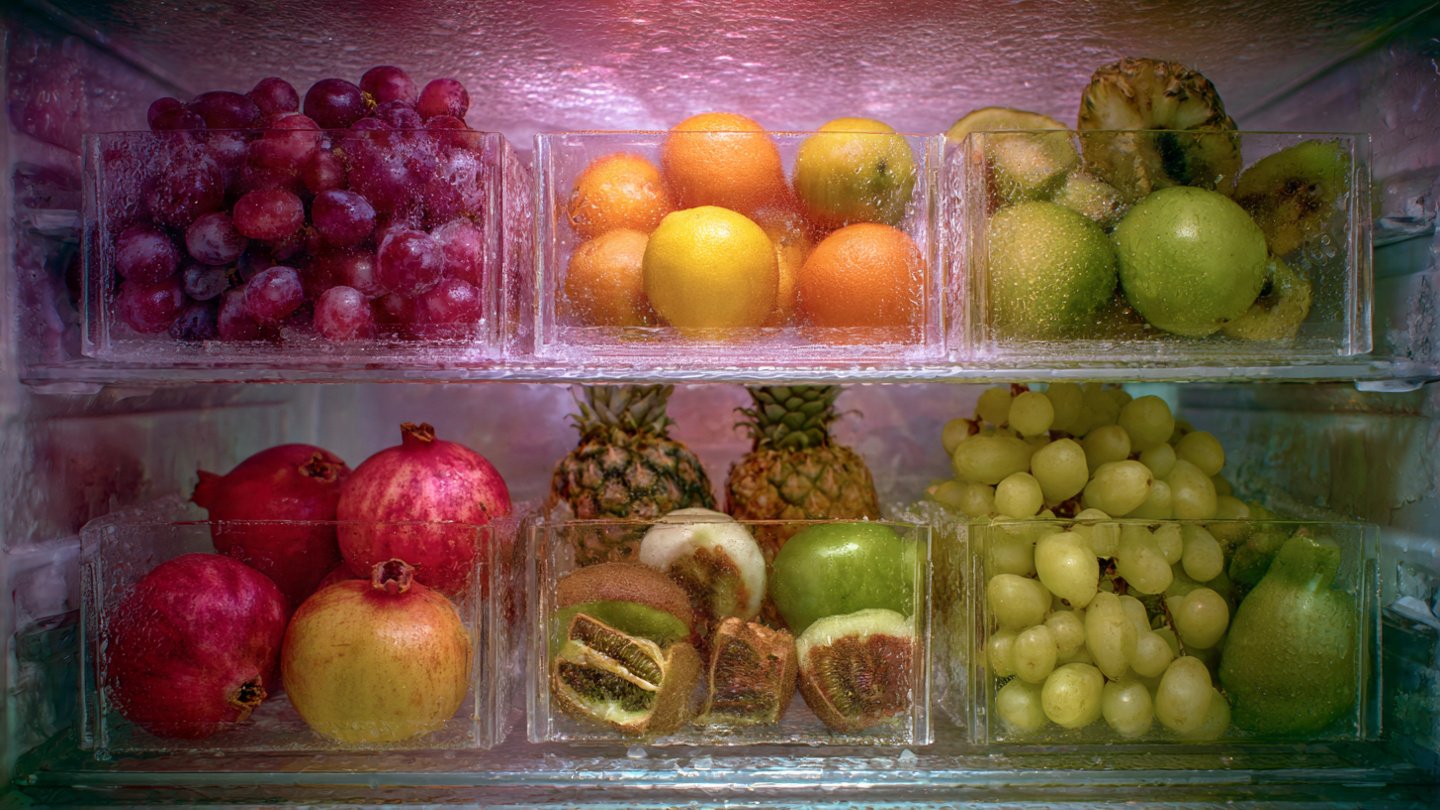
Proper storage is crucial for maintaining the quality, safety, and shelf life of fruits. Temperature management plays a critical role in this process, as fruits are highly sensitive to heat, humidity, and fluctuations in environmental conditions. Overnight heat, in particular, can have significant effects on fruits in storage, affecting their texture, taste, appearance, nutritional value, and susceptibility to spoilage. Understanding these effects is essential for both commercial storage facilities and home storage practices.
1. Increased Respiration Rates
Fruits are living tissues even after harvesting, and they continue to respire—consuming oxygen and releasing carbon dioxide. The respiration rate of fruits is highly temperature-dependent.
- Effect of overnight heat: When storage temperatures rise overnight, respiration rates increase, accelerating metabolic processes.
- Consequences: Faster respiration leads to quicker depletion of sugars, starches, and other stored nutrients, resulting in early ripening, reduced sweetness, and shorter shelf life.
- Example: Bananas stored in warm conditions may ripen overnight and become overripe by morning, leading to softening and browning.
2. Accelerated Ripening and Overripening
Many fruits are climacteric, meaning they produce ethylene, a hormone that promotes ripening. Overnight heat can intensify ethylene production and action:
- Impact: Even a few hours of high temperatures at night can trigger accelerated ripening.
- Results: Fruits may develop soft spots, uneven ripening, and diminished firmness.
- Commercial implication: Overripening can lead to rejection of fruits in the market due to visual and textural defects.
3. Increased Water Loss and Shriveling
High overnight temperatures can increase transpiration, the loss of water through the fruit’s skin.
- Effect: Fruits lose moisture more rapidly, leading to shrinkage, weight loss, and shriveling.
- Appearance impact: Shriveling reduces visual appeal, which is critical for consumer satisfaction in retail markets.
- Example: Apples, pears, and grapes are particularly sensitive to overnight heat, showing visible dehydration within a single warm night.
4. Texture Deterioration
Overnight heat affects cell integrity and firmness of fruits:
- Mechanism: Elevated temperatures accelerate enzymatic activity that breaks down pectin and cellulose in cell walls.
- Effect on texture: Fruits become softer, mushy, or mealy, reducing eating quality.
- Example: Stone fruits such as peaches and plums may develop a mealy texture if exposed to warm nights repeatedly.
5. Color Changes and Skin Discoloration
Heat stress can accelerate pigment changes in fruits:
- Chlorophyll degradation: In some fruits, green pigments break down faster, affecting color development.
- Browning: Enzymatic browning can be triggered by increased polyphenol oxidase activity at higher temperatures.
- Example: Apples, pears, and avocados can show surface browning or uneven coloring when exposed to overnight heat, making them less appealing for sale.
6. Nutrient Degradation
Temperature fluctuations, especially overnight heat, affect nutrient stability in fruits:
- Vitamin C: Highly sensitive to heat, leading to decreased antioxidant content in many fruits.
- Other antioxidants and phytochemicals: Heat can accelerate degradation of flavonoids and carotenoids, reducing health benefits.
- Example: Citrus fruits and strawberries lose vitamin C more rapidly under warm storage conditions.
7. Increased Susceptibility to Microbial Spoilage
Overnight heat creates conditions conducive to microbial growth:
- Mechanism: Warm temperatures favor bacteria, molds, and yeasts that cause fruit decay.
- Effect: Increased incidence of rot, soft spots, and fermentation.
- Example: Berries and tomatoes stored in non-cooled conditions may start to show mold growth after a single warm night.
8. Impact on Post-Harvest Treatments
Many post-harvest treatments are designed to slow down ripening and decay:
- Heat sensitivity: Elevated overnight temperatures can negate the effects of cold storage, modified atmosphere packaging, or chemical treatments intended to prolong freshness.
- Consequence: Even fruits that were treated to last longer may deteriorate faster if exposed to heat during storage.
9. Loss of Market Value
All the effects described above—overripening, shriveling, texture loss, color changes, and microbial decay—directly impact the marketability of fruits:
- Retailers may reject fruits that appear damaged, soft, or discolored.
- Weight loss reduces the saleable quantity of fruits.
- Nutritional losses reduce consumer satisfaction, affecting long-term demand.
10. Strategies to Minimize Overnight Heat Effects
Preventing the negative effects of overnight heat on fruits requires proper storage and handling:
Temperature Control
- Maintain consistent temperatures according to fruit type.
- Use air-conditioned or cooled storage rooms for sensitive fruits.
- Avoid storing fruits near heat sources or in direct sunlight.
Humidity Management
- Maintain relative humidity at optimal levels (generally 85–95% for most fruits) to reduce moisture loss.
- Use humidifiers or water trays in storage rooms.
Ethylene Management
- Separate climacteric and non-climacteric fruits to prevent premature ripening.
- Ventilate storage areas to reduce ethylene buildup.
Rapid Cooling
- Cool fruits immediately after harvest to remove field heat.
- Avoid leaving fruits in warm storage overnight before refrigeration.
Protective Packaging
- Use ventilated boxes or crates to reduce heat absorption.
- Apply protective coatings (edible waxes) to reduce moisture loss and surface damage.
Monitoring Systems
- Use temperature and humidity sensors in storage areas to detect overnight fluctuations.
- Implement alarms or automatic cooling adjustments to prevent heat stress.
Conclusion
Overnight heat can have profound effects on fruits in storage, accelerating respiration, ripening, moisture loss, texture deterioration, discoloration, nutrient degradation, and microbial spoilage. Even short periods of elevated temperatures can compromise fruit quality, reducing shelf life, visual appeal, and nutritional value.
Understanding these impacts is essential for both commercial storage operations and home storage practices. By implementing strategies such as consistent temperature control, humidity management, rapid cooling, ethylene separation, and protective packaging, the negative effects of overnight heat can be minimized. Ultimately, controlling temperature fluctuations ensures fruits remain fresh, nutritious, and market-ready, extending shelf life and reducing losses.