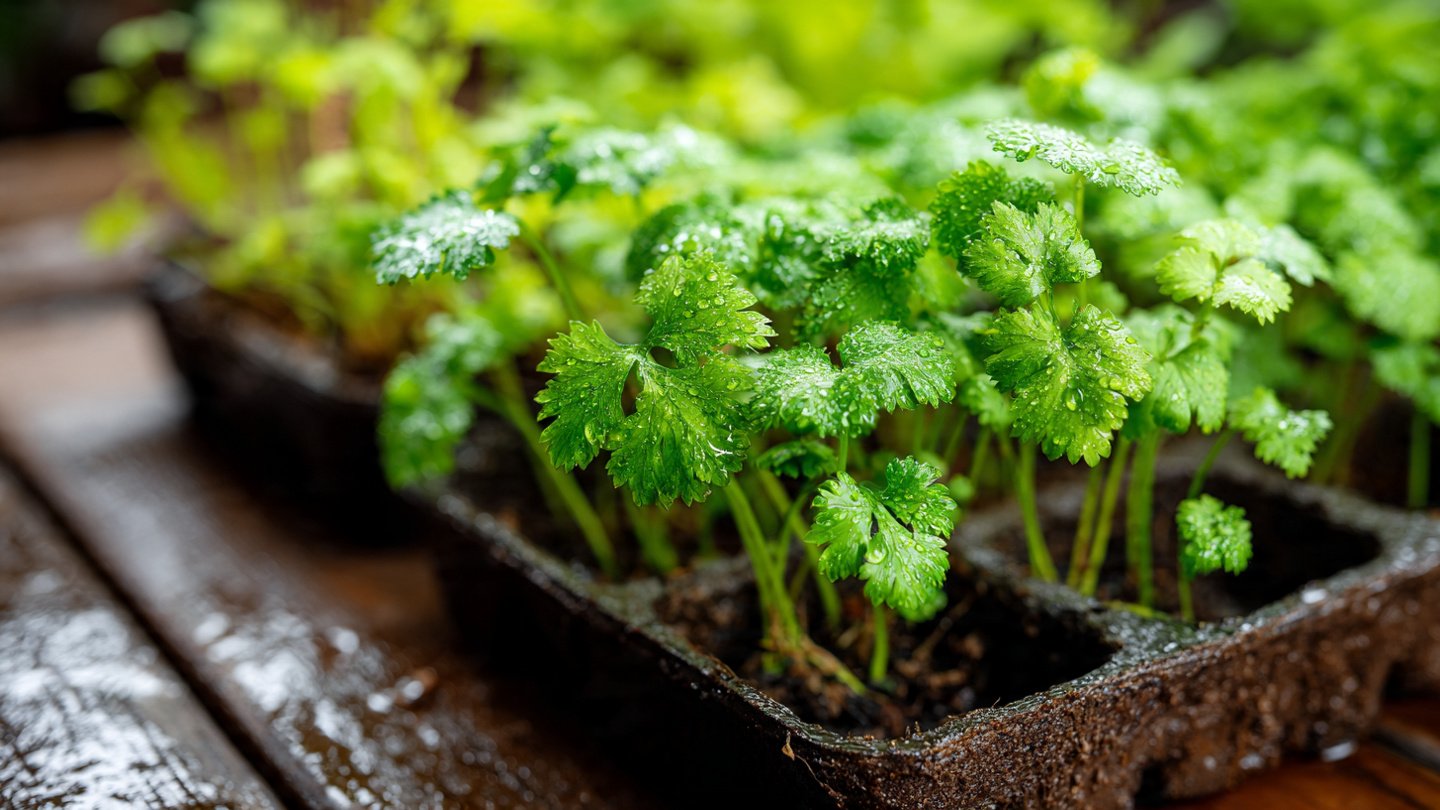
Coriander, also known as cilantro in some regions, is a versatile herb widely used in cuisines around the world for its fresh, citrusy flavor and aromatic leaves. Growing coriander at home in a tray is an excellent way to ensure a steady supply of fresh herbs for cooking, even if space is limited. Container or tray cultivation allows gardeners to control soil, light, and moisture conditions, resulting in healthier plants and consistent yields. By implementing effective strategies, home gardeners can successfully grow coriander in trays and enjoy flavorful leaves all year round.
The first step in growing coriander successfully in a tray is selecting the appropriate variety. Some varieties are better suited for indoor or container cultivation due to their compact growth habit and quicker maturity. For instance, slow-bolting varieties are ideal for trays, as they are less likely to flower prematurely, extending the harvest window. Other common varieties include leafy types, which produce abundant foliage, and dual-purpose types, which can also provide seeds for culinary use. Choosing the right variety ensures that the plant thrives in a confined space and meets the gardener’s needs.
Tray selection is another critical factor. Coriander thrives in containers with good drainage, as waterlogged soil can quickly lead to root rot. Shallow trays or seedling flats with drainage holes at the bottom are suitable for growing coriander, but a depth of at least four to six inches allows the roots to develop properly. Using trays made of plastic, ceramic, or biodegradable materials works well, provided that excess water can drain freely. Elevating the tray slightly above a plate or saucer helps catch runoff and prevents water accumulation that could harm the plants.
Soil preparation is essential for healthy growth. Coriander prefers light, well-draining soil rich in organic matter. A mixture of high-quality potting soil combined with compost provides necessary nutrients while maintaining good structure. Avoid heavy clay soils or garden soil that may compact in a tray. The soil should be slightly moist but not soggy to encourage germination and root development. Incorporating perlite or sand into the mix can further improve drainage and aeration, which is particularly important in shallow tray cultivation.
Sowing seeds correctly is key to establishing healthy coriander plants. Coriander seeds are often sown directly in the tray, as they do not transplant well once established. Soak seeds in water for a few hours or overnight to enhance germination rates. Sow seeds evenly across the tray, lightly covering them with a thin layer of soil, about a quarter to half an inch deep. Avoid overcrowding, as excessive density can limit airflow, increase the risk of fungal infections, and reduce the overall quality of the leaves. Thinning seedlings after germination ensures each plant has adequate space to grow.
Light plays a crucial role in coriander growth. This herb requires at least four to six hours of direct sunlight per day or equivalent artificial lighting if grown indoors. Placing trays near a south-facing window or using fluorescent or LED grow lights ensures that plants receive sufficient light for healthy foliage development. Insufficient light can cause plants to become leggy, with elongated stems and small leaves, reducing both yield and flavor. Rotating the tray occasionally helps ensure even growth across all plants.
Watering is another important aspect of successful coriander cultivation. The soil should remain consistently moist but not waterlogged. Trays dry out more quickly than larger pots, so frequent, light watering may be necessary. Water gently to avoid disturbing seeds or seedlings, using a spray bottle or fine watering can to provide even moisture. Avoid wetting the leaves excessively, as prolonged moisture on foliage can lead to fungal problems like damping-off or leaf mold. Monitoring soil moisture daily helps maintain optimal conditions for growth.
Fertilization supports vigorous leaf development and improves overall plant health. Since coriander is primarily grown for its foliage, a balanced liquid fertilizer or one slightly higher in nitrogen is ideal. Fertilize lightly every two to three weeks to avoid nutrient buildup, which can harm roots in a confined tray. Organic options such as compost tea, fish emulsion, or diluted liquid seaweed also provide essential nutrients while supporting soil microbial life. Over-fertilization can encourage rapid leaf growth at the expense of flavor, so moderation is key.
Temperature management is critical when growing coriander in a tray. Coriander prefers cool to moderate temperatures, typically between 18°C and 24°C (65°F–75°F). Excessive heat can cause the plant to bolt, producing flowers and seeds prematurely and reducing leaf yield. Conversely, temperatures below 10°C (50°F) can slow growth. Indoors, placing trays away from direct heat sources, drafts, or cold windows helps maintain a stable environment. Using a simple tray cover or humidity dome during germination can also improve seedling establishment by maintaining warmth and moisture.
Regular pruning and harvesting encourage continued growth and prevent premature flowering. Begin harvesting leaves once the plants reach about three to four inches in height. Snip leaves from the outer edges rather than cutting the central growing point, allowing the plant to continue producing new foliage. Frequent harvesting delays bolting and prolongs the productive life of the tray. Removing flowers as soon as they appear also helps redirect energy back into leaf production, ensuring a steady supply of flavorful coriander.
Pest and disease management is essential for healthy tray-grown coriander. Common issues include aphids, spider mites, and fungal infections like damping-off or powdery mildew. Inspect plants regularly and remove any affected leaves promptly. Using natural remedies, such as neem oil sprays or insecticidal soaps, can control pests without harming the plant or the leaves’ edible quality. Proper spacing, airflow, and moisture control also reduce the risk of disease, making preventive care as important as active treatment.
Tray arrangement and rotation can further enhance growth. If multiple trays are used, spacing them to allow adequate airflow between trays prevents excessive humidity, which can encourage fungal problems. Rotating trays ensures that all plants receive equal light exposure, preventing uneven growth. Grouping trays near a reflective surface, like a white wall, can improve light distribution for indoor cultivation.
Succession planting is a strategy that ensures a continuous supply of coriander throughout the year. Since coriander has a relatively short life cycle and can bolt quickly, sowing new seeds every two to three weeks guarantees that fresh leaves are always available. Staggered planting allows one tray to mature and be harvested while new seedlings are germinating in another tray. This technique maximizes yield and prevents gaps in supply.
Using companion plants or integrating coriander into a multi-herb tray can also be beneficial. Some gardeners grow basil, parsley, or chives alongside coriander in the same tray, provided that space, light, and water requirements are compatible. Companion planting can improve microclimate conditions, enhance growth, and reduce pest pressure. However, care should be taken to avoid overcrowding, which could limit light and airflow for coriander.
Container hygiene and soil maintenance are often overlooked but critical for long-term success. Trays should be cleaned thoroughly between plantings to prevent disease buildup. Refreshing the soil or adding compost before sowing new seeds ensures that nutrients are replenished and reduces the risk of soil-borne diseases. Avoid reusing old soil without proper sterilization, as it may harbor pathogens that can affect seedling survival.
In conclusion, successfully growing coriander in a tray at home requires a combination of proper planning, consistent care, and attention to environmental conditions. Selecting the right variety, preparing well-draining soil, ensuring adequate light, controlling moisture, and applying appropriate fertilizer are foundational steps. Pruning, succession planting, pest management, and maintaining hygiene further support robust growth and high-quality leaves. By following these strategies, gardeners can enjoy a steady supply of fresh, flavorful coriander even in limited spaces, making homegrown herbs a convenient and rewarding addition to daily cooking. With careful attention to detail and consistent care, tray-grown coriander can thrive year-round, providing abundant, aromatic foliage for culinary use.