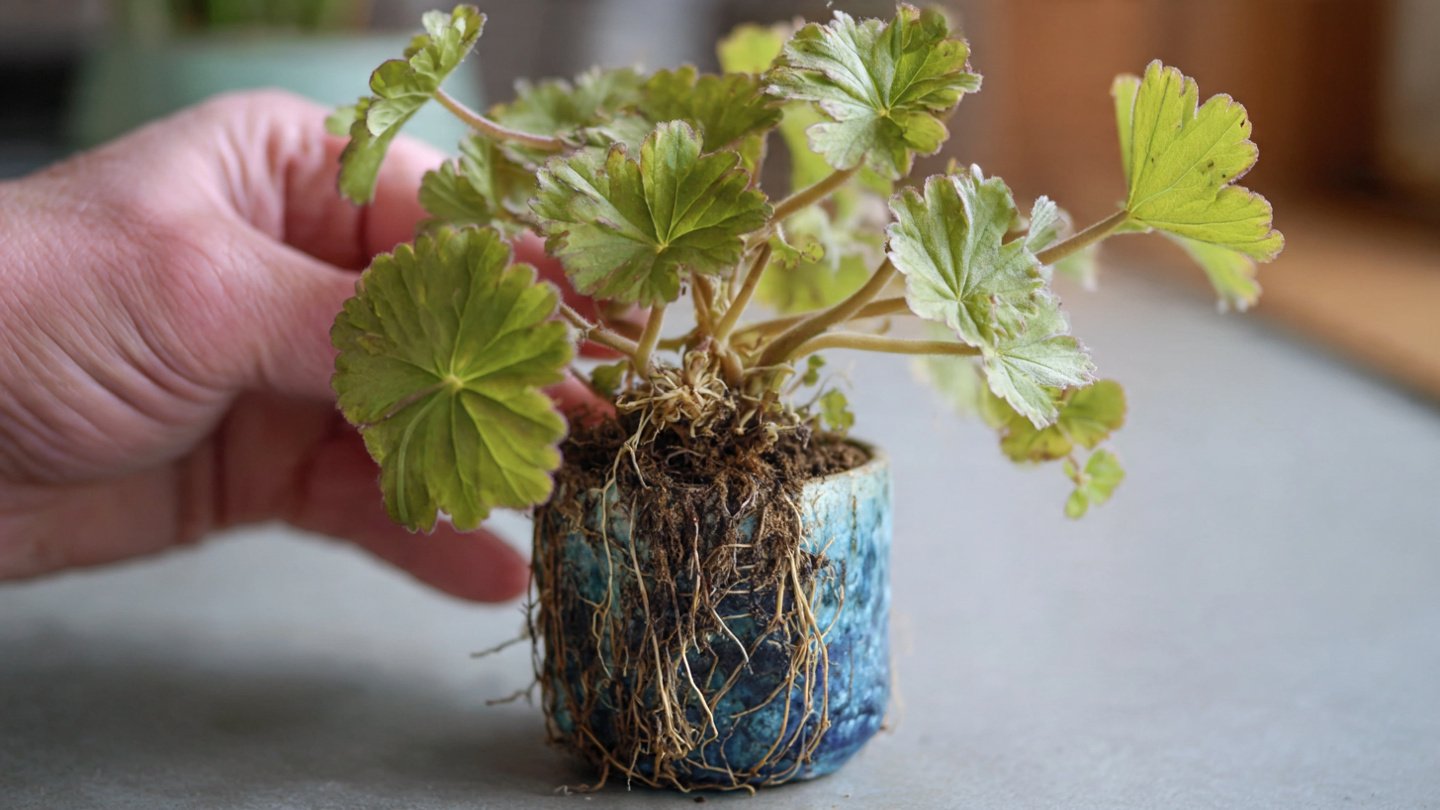
Geraniums are among the most popular flowering plants for gardens, patios, and indoor spaces due to their vibrant blooms and low-maintenance nature. One of the most rewarding gardening techniques is propagating geraniums from cuttings, allowing gardeners to multiply their plants and enjoy continuous blooms. However, a common challenge during propagation is fungal rot, which can quickly destroy young cuttings and discourage even seasoned gardeners. The good news is that with a few simple techniques, you can successfully root geranium cuttings while minimizing the risk of fungal infections. This guide will walk you through easy, practical steps to achieve healthy, thriving geranium plants.
Understanding Fungal Rot in Geraniums
Before diving into propagation techniques, it’s important to understand why fungal rot occurs. Fungal rot, particularly caused by pathogens like Pythium and Phytophthora, thrives in warm, wet conditions and attacks plant tissue, leading to soft, discolored stems and roots that fail to develop properly. Overwatering, poor drainage, and contaminated tools are common contributors. Preventing fungal rot requires a combination of proper hygiene, soil preparation, and environmental control.
Selecting Healthy Parent Plants
The first step in successful geranium propagation is choosing a healthy parent plant. Look for:
- Strong, disease-free stems: Avoid stems with discoloration, spots, or signs of decay.
- Vigorous growth: Cuttings from actively growing plants root faster than from older, stressed stems.
- No pest infestation: Aphids, spider mites, or other pests can weaken cuttings and increase susceptibility to disease.
Selecting healthy plants reduces the likelihood of introducing pathogens and ensures a strong start for your new geraniums.
Preparing the Cutting
Proper preparation of the cutting is crucial for successful rooting without fungal rot:
- Choose the right stem: Select a semi-woody stem that is firm but not too old. Avoid stems that are too soft or too woody.
- Make a clean cut: Use a sharp, sterilized knife or pruning shears to cut a 4–6 inch section just below a leaf node. A clean cut minimizes tissue damage and reduces infection risk.
- Remove lower leaves: Strip the bottom leaves to prevent them from rotting in the soil while leaving a few leaves at the top for photosynthesis.
- Optional dip in rooting hormone: Applying a powdered or liquid rooting hormone can accelerate root development and reduce stress on the cutting.
Clean, properly prepared cuttings are less vulnerable to fungal attack and more likely to root successfully.
Choosing the Right Growing Medium
The choice of soil or growing medium plays a key role in preventing fungal rot. Geranium cuttings require a medium that retains moisture but drains well. Suitable options include:
- Sterilized potting mix: Commercial potting soils are usually free from pathogens and ideal for cuttings.
- Perlite or vermiculite: These substrates provide excellent drainage while maintaining moisture around the roots.
- Sand and peat mixture: A 1:1 mixture ensures both aeration and moisture retention.
Avoid heavy garden soil or clay, as they retain excess water and create ideal conditions for fungal growth.
Sterilization and Hygiene
Maintaining a clean propagation environment is essential to prevent fungal rot. Simple hygiene steps include:
- Sterilize containers: Wash pots, trays, or jars with a mild bleach solution or hot water before use.
- Clean tools: Pruning shears and knives should be disinfected before each cutting.
- Avoid contaminated water: Use clean, room-temperature water for watering or misting cuttings.
Even small lapses in hygiene can introduce pathogens that cause rot, so attention to cleanliness pays off.
Planting the Cutting
Once the cutting and growing medium are ready, plant the cutting carefully:
- Make a hole in the medium: Using a pencil or stick, create a small hole to avoid damaging the cutting’s base.
- Insert the cutting: Place the cutting gently in the hole, ensuring at least one node is buried. Firm the medium around the cutting without compacting it too tightly.
- Water lightly: Moisture is necessary for root formation, but overwatering can trigger fungal rot. Use a spray bottle or gentle watering to dampen the medium.
Planting cuttings properly helps reduce stress and encourages faster root development.
Controlling Moisture and Humidity
Moisture control is one of the most critical factors in preventing fungal rot:
- Avoid waterlogging: Ensure that excess water can drain freely from containers.
- Maintain moderate humidity: Covering cuttings with a plastic dome or clear bag can help retain humidity, but leave small gaps for air circulation to prevent fungal growth.
- Mist rather than soak: Lightly mist the leaves and soil to keep them hydrated without creating overly wet conditions.
Proper moisture management allows the cutting to root successfully while minimizing the risk of pathogens.
Providing Optimal Light and Temperature
Geranium cuttings root best under specific environmental conditions:
- Indirect sunlight: Place cuttings in bright, indirect light rather than direct sun, which can stress young stems.
- Warm temperature: A range of 65–75°F (18–24°C) is ideal for root formation.
- Good air circulation: Prevent stagnant air around cuttings, as this promotes fungal growth.
Maintaining optimal light and temperature conditions encourages healthy root growth and strengthens cuttings against disease.
Monitoring Root Development
Root development typically begins within 2–4 weeks, depending on conditions. To monitor progress:
- Check gently: Tug lightly on the cutting; resistance indicates root formation.
- Look for new growth: Tiny new leaves or shoots signal that roots are establishing.
- Avoid disturbance: Do not remove the cutting from the medium prematurely, as this can damage delicate roots.
Patience is key—healthy geranium roots develop steadily if environmental conditions are favorable.
Preventing Fungal Rot
Even with careful preparation, fungal rot can occur. Preventive techniques include:
- Use fungicide dips: Treating the base of cuttings with a mild fungicide before planting can reduce fungal infection risk.
- Sterilize soil periodically: If reusing the growing medium, sterilize it to remove pathogens.
- Space cuttings adequately: Avoid overcrowding, which reduces airflow and increases humidity around stems.
- Remove affected cuttings: If any cutting shows signs of rot, remove it immediately to prevent spread.
By proactively addressing fungal threats, you increase your chances of propagating healthy geraniums.
Transplanting Successfully Rooted Cuttings
Once roots are well-established, usually 4–6 weeks after planting, it’s time to transplant:
- Prepare pots with well-draining soil: Use a mix of potting soil, perlite, or compost.
- Gently remove cuttings: Avoid breaking fragile roots.
- Plant at the same depth: Ensure the cutting sits at the same level as it did in the propagation medium.
- Water carefully: Water thoroughly but allow the soil to dry slightly between watering.
Transplanting at the right time and with care ensures your geranium cuttings thrive in their new environment.
Ongoing Care
After transplanting, continue to care for your geraniums to promote growth and flowering:
- Sunlight: Provide 4–6 hours of direct sunlight daily.
- Fertilization: Apply a balanced, water-soluble fertilizer every 4–6 weeks.
- Pruning: Trim dead or leggy stems to encourage bushier growth.
- Pest management: Monitor for aphids or spider mites and treat promptly.
Consistent care helps your rooted geraniums flourish, producing vibrant blooms and strong, healthy stems.
Conclusion
Rooting geranium cuttings without fungal rot is entirely achievable with simple techniques and careful attention to detail. By selecting healthy parent plants, preparing clean cuttings, choosing a well-draining medium, and controlling moisture and environmental conditions, gardeners can propagate robust geraniums successfully. Preventive measures against fungal infections, along with patient monitoring and proper care, ensure that your new plants thrive and bring beauty to your garden or home.
With these practical steps, even beginners can enjoy the satisfaction of multiplying their geraniums, expanding their garden, and showcasing vibrant blooms without the frustration of fungal rot. By combining hygiene, preparation, and simple propagation techniques, rooting geraniums becomes an easy, enjoyable, and highly rewarding gardening activity.