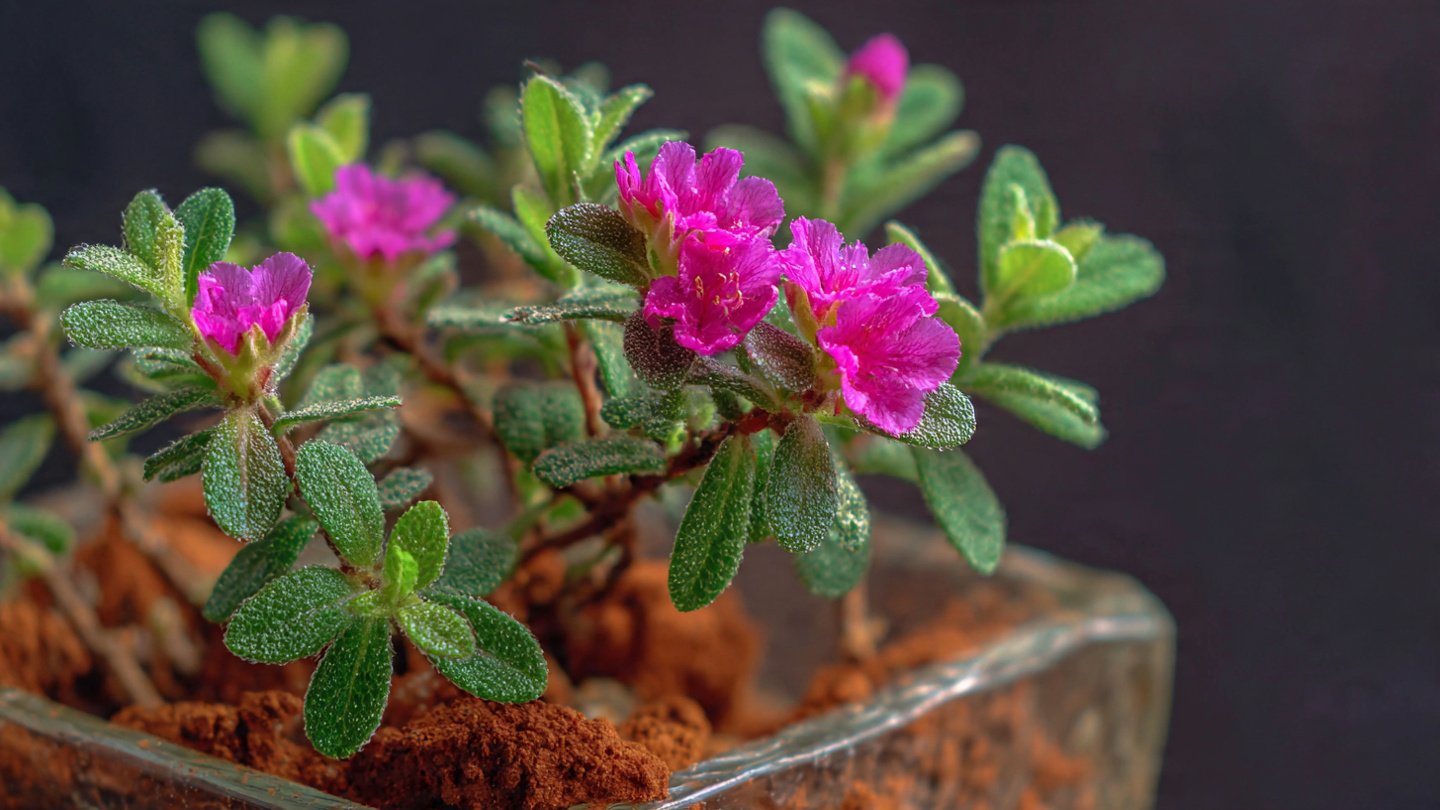
Sadabahar, commonly known as periwinkle or vinca, is one of the most popular flowering plants grown in home gardens. Loved for its continuous blooming habit, vibrant colors, and low-maintenance nature, sadabahar truly lives up to its name, which means “evergreen” or “always blooming.” While the plant is naturally hardy and adaptable, many gardeners struggle to grow sadabahar plants that are dense, compact, and bushy. Instead, the plants often grow tall, leggy, and sparse with fewer flowers. The good news is that with a few simple natural hacks and proper care, you can easily grow lush, bushy sadabahar plants at home without using chemicals.
Understanding Sadabahar Growth Habit
Sadabahar is a warm-season flowering plant that thrives in sunny locations and well-drained soil. It grows quickly, producing long stems with glossy green leaves and colorful flowers. However, if left unattended, the plant tends to grow upward rather than outward, resulting in a tall, thin structure. This happens because the plant focuses its energy on vertical growth in search of light. To make sadabahar bushy, the goal is to redirect this energy toward lateral growth and branching.
Choosing the Right Location
The foundation of a bushy sadabahar plant begins with proper placement. Sadabahar loves sunlight and requires at least 5 to 6 hours of direct sunlight daily. A sunny balcony, terrace, or garden spot encourages strong stems and healthy leaves. Insufficient sunlight causes the plant to stretch toward light, making it leggy and weak.
At the same time, good air circulation is essential. Avoid overcrowding sadabahar plants, as poor airflow can lead to fungal diseases and weak growth. A well-ventilated area helps the plant grow sturdy branches that support dense foliage and flowers.
Selecting the Right Pot and Soil
Container choice plays a major role in determining how bushy your sadabahar plant becomes. Choose a pot with drainage holes and a medium size, typically 8 to 12 inches in diameter. Very small pots restrict root growth, while oversized pots may cause excess moisture retention.
Sadabahar prefers light, well-draining soil. A good soil mix can be prepared by combining garden soil, compost, and sand in equal parts. Adding cocopeat or perlite improves aeration and prevents waterlogging. Healthy roots lead to vigorous growth, which is essential for developing a bushy plant structure.
The Easy Hack: Pinching for Bushy Growth
The simplest and most effective hack to grow sadabahar bushy naturally is regular pinching. Pinching means removing the soft tips of the plant using your fingers or clean scissors. When the main growing tip is removed, the plant redirects its energy into producing multiple side shoots instead of growing taller.
Start pinching when the plant reaches about 5 to 6 inches in height. Gently pinch off the topmost growing tip just above a leaf node. Within a few days, you will notice new shoots emerging from the sides. Repeat this process every two to three weeks, especially during the active growing season. Regular pinching transforms a single-stem plant into a dense, bushy one filled with branches and flowers.
Proper Watering Technique
Watering plays a crucial role in shaping the growth of sadabahar. While the plant is drought-tolerant, inconsistent watering can stress it, leading to weak stems and poor branching. Water the plant deeply when the top inch of soil feels dry. Avoid daily shallow watering, as it encourages shallow root systems and leggy growth.
Overwatering is equally harmful and can cause root rot, yellow leaves, and stunted growth. Always allow excess water to drain out completely. Balanced watering supports strong root development, which in turn promotes bushy and healthy growth above the soil.
Natural Nutrition for Bushy Plants
Sadabahar responds very well to natural feeding. Balanced nutrition encourages both leafy growth and flowering. Instead of chemical fertilizers, use organic options that improve soil health and plant strength naturally.
Compost or vermicompost can be added to the soil once every three to four weeks. This provides slow-release nutrients and improves microbial activity in the soil. A liquid feed made from soaked banana peels or compost tea can be applied once a month to boost potassium levels, which supports flowering and overall plant vigor.
Avoid excessive nitrogen, as it can cause excessive leaf growth at the expense of flowers. Balanced feeding ensures compact growth with plenty of blooms.
Sunlight and Temperature Balance
Sadabahar thrives in warm temperatures and bright sunlight. However, extreme heat can sometimes stress the plant, especially during peak summer afternoons. Providing partial shade during extremely hot hours helps prevent leaf burn and moisture loss.
If growing indoors, place the plant near a sunny window where it receives adequate natural light. Rotate the pot occasionally to ensure even light exposure on all sides, which promotes symmetrical and bushy growth.
Pruning Old Flowers and Stems
Deadheading, or removing spent flowers, is another natural technique to keep sadabahar bushy and blooming continuously. When old flowers are left on the plant, energy is diverted toward seed production instead of new growth.
Regularly remove faded flowers and weak or damaged stems. Light pruning keeps the plant tidy and encourages new shoots to grow from the base and sides. Over time, this results in a fuller, more compact plant loaded with blooms.
Managing Pests Naturally
Pests like aphids, whiteflies, and spider mites can weaken sadabahar plants and hinder bushy growth. Regular inspection helps detect problems early. A natural neem oil spray applied every 10 to 15 days effectively controls pests without harming beneficial insects.
Keeping the plant healthy with proper sunlight, airflow, and nutrition also makes it more resistant to pest attacks. Healthy plants naturally grow stronger stems and branches, contributing to a bushier appearance.
Seasonal Care Tips
Sadabahar grows best during warm months, but with proper care, it can thrive year-round in mild climates. During the rainy season, ensure proper drainage to prevent waterlogging. In winter, reduce watering slightly, as growth slows down.
Avoid heavy pruning during extreme cold or heat. Instead, focus on gentle pinching and maintenance pruning during active growth periods to maintain bushy form.
Repotting for Continued Growth
If your sadabahar plant has been growing in the same pot for a long time, repotting may be necessary. Root-bound plants often show reduced growth and fewer branches. Repot once a year or when roots start emerging from drainage holes.
Choose a slightly larger pot and refresh the soil with a nutrient-rich, well-draining mix. Repotting rejuvenates the plant and encourages fresh growth from the base, enhancing bushiness naturally.
Encouraging Continuous Blooming
A bushy sadabahar plant naturally produces more flowers. To encourage continuous blooming, maintain regular pinching, deadheading, and balanced feeding. Avoid stress caused by irregular watering or poor light conditions.
Harvesting flowers for decoration or religious purposes also acts as light pruning, stimulating new buds and branches. The more you care for the plant consistently, the more it rewards you with lush growth and vibrant blooms.
Conclusion
Growing sadabahar bushy naturally at home is simple when you understand its growth pattern and apply the right techniques. The easy hack of regular pinching, combined with proper sunlight, well-drained soil, balanced watering, and natural nutrition, can completely transform a leggy plant into a dense, vibrant flowering bush.
Sadabahar is forgiving and resilient, making it perfect for beginners and experienced gardeners alike. With a little patience and consistent care, your sadabahar plant will grow lush, compact, and full of colorful flowers throughout the year. By following these natural methods, you can enjoy a healthy, bushy sadabahar that enhances the beauty of your home garden effortlessly.