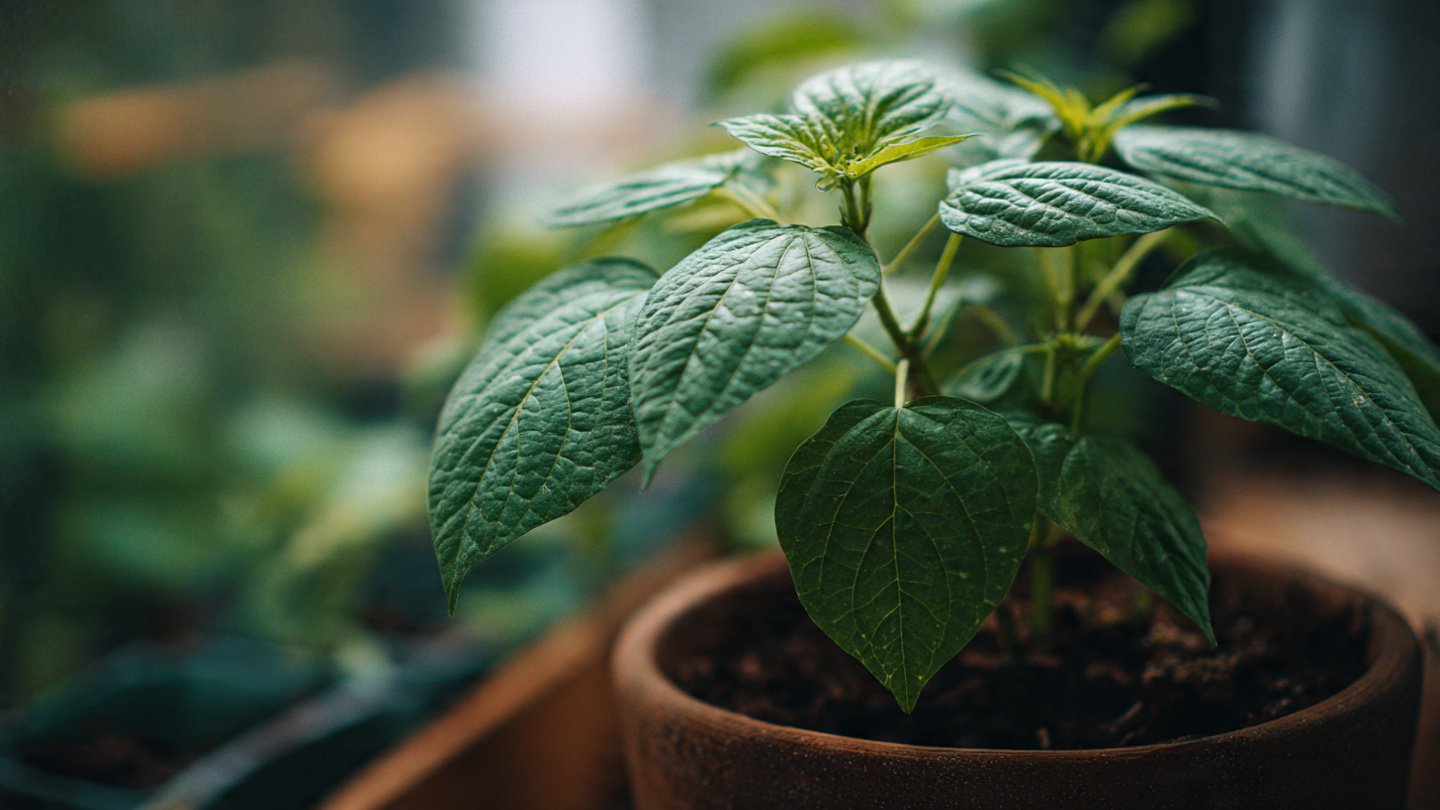
Growing balsam flowers from seed at home is not only a rewarding gardening experience but also a fantastic way to add vibrant colors and delicate fragrances to your garden. Balsam, also known as Impatiens balsamina, is a hardy annual that thrives in warm conditions and blooms profusely, making it an excellent choice for beginner and experienced gardeners alike. While many gardeners shy away from starting flowers from seed due to perceived difficulties, balsam is surprisingly easy to propagate with the right techniques. This guide will walk you through the process step by step, ensuring your seeds grow into healthy, beautiful plants.
Understanding Balsam Seeds
Before planting, it’s essential to understand the nature of balsam seeds. Balsam seeds are small, brown to black in color, and have a slightly glossy surface. One of the unique features of balsam seeds is their explosive seed dispersal mechanism in nature, where mature seed pods burst when touched, scattering seeds several feet away. This natural trait makes them highly viable for propagation at home, as each seed has a high chance of germination if given proper conditions.
The best time to sow balsam seeds is during early spring when indoor temperatures are warm enough for germination, usually around 70–75°F (21–24°C). Using fresh seeds can significantly improve germination rates, as older seeds may take longer to sprout or fail to germinate entirely.
Selecting Containers and Soil
Choosing the right container and soil is critical for the successful growth of balsam from seed. Seed trays, small pots, or any shallow container with proper drainage holes will work well. Balsam seeds do not require deep soil, so containers around 2–3 inches deep are sufficient.
The soil should be light, well-draining, and rich in organic matter. A mix of garden compost, peat moss, and a little sand is ideal. Avoid heavy soils that retain water excessively, as balsam seeds are prone to rot in soggy conditions. Sterilizing your soil before sowing, either by baking it in the oven or using store-bought sterile potting mix, can prevent fungal infections and increase your chances of success.
Preparing Seeds for Germination
While balsam seeds do not require soaking, some gardeners prefer to soak them for a few hours in lukewarm water to soften the seed coat and accelerate germination. This step is optional but can be particularly helpful if your seeds are slightly older. After soaking, drain the seeds thoroughly and let them dry for a few minutes before sowing.
Sowing Balsam Seeds
Sowing balsam seeds is a simple process if done carefully. Start by filling your chosen container with the prepared soil mix, leaving about half an inch of space at the top. Moisten the soil lightly using a spray bottle to avoid displacing seeds with heavy watering.
Scatter the seeds evenly on the surface of the soil. Balsam seeds need light to germinate, so do not bury them deep. A very thin layer of soil, just enough to cover the seeds lightly, is sufficient. Press the seeds gently into the soil to ensure good contact. Cover the container with a clear plastic lid or plastic wrap to create a mini greenhouse effect, which helps retain moisture and warmth—two crucial factors for germination.
Providing Optimal Growing Conditions
Balsam seeds typically germinate within 7–14 days under the right conditions. To ensure successful germination and healthy seedlings, maintain a warm, bright environment. Place the seed container in a location that receives indirect sunlight or under grow lights for 12–16 hours a day. Direct sunlight may be too harsh for tender seedlings.
Keep the soil consistently moist but not waterlogged. Using a spray bottle is ideal for this, as it prevents the seeds and soil from washing away. A temperature range of 70–75°F (21–24°C) is optimal, but balsam seeds can tolerate slight variations as long as the soil remains warm.
Thinning and Transplanting Seedlings
Once seedlings develop their first set of true leaves, it’s time to thin them out. Thinning prevents overcrowding and ensures each plant has enough space to grow strong and healthy. Use small scissors to snip weaker seedlings at the base, rather than pulling them out, to avoid disturbing nearby roots.
After seedlings grow a few more sets of leaves and become sturdy enough to handle, they can be transplanted into larger pots or directly into your garden. Gradually acclimatize them to outdoor conditions by hardening off. This involves placing the seedlings outdoors for a few hours each day over a week, gradually increasing the time and exposure to sunlight and wind.
Planting Balsam in the Garden
Balsam thrives in well-drained soil with plenty of organic matter. Choose a sunny to partially shaded location in your garden. While balsam can tolerate partial shade, full sunlight encourages stronger stems and more abundant blooms.
Space the plants about 8–12 inches apart to allow for proper airflow, which reduces the risk of fungal diseases. Water the plants regularly, keeping the soil moist but not soggy. Mulching around the base can help retain soil moisture, suppress weeds, and maintain consistent soil temperature.
Fertilizing and Care
Balsam plants are not particularly demanding, but providing nutrients can enhance growth and flowering. Use a balanced, water-soluble fertilizer every two to three weeks to encourage lush foliage and vibrant blooms. Avoid over-fertilizing, as this can lead to excessive leaf growth at the expense of flowers.
Regularly remove faded flowers to promote continuous blooming throughout the season. Balsam is relatively low-maintenance, but keeping an eye out for pests like aphids and fungal issues like powdery mildew is essential. Neem oil or insecticidal soap can help manage common pests naturally.
Propagation Tips for Best Results
- Seed Selection: Choose fresh, high-quality seeds from reputable sources. Fresh seeds have higher germination rates.
- Consistent Moisture: Avoid letting the soil dry out during germination and early growth stages.
- Temperature Management: Maintain warmth around seedlings; consider using a heating mat for consistent temperature.
- Light Exposure: Ensure seedlings receive bright, indirect light. Lack of light can cause weak, leggy plants.
- Spacing: Proper spacing after transplanting prevents overcrowding and reduces disease risk.
Enjoying the Bloom
Balsam flowers come in various colors, including pink, red, purple, white, and bi-colored varieties. Once your plants mature, they provide stunning color throughout summer and into early fall. The vibrant blooms can be used in garden beds, borders, containers, and even as cut flowers for indoor arrangements.
One of the joys of growing balsam from seed is witnessing the full growth cycle—from tiny seeds to flourishing plants. The process teaches patience, careful observation, and the satisfaction of nurturing life from the very beginning.
Troubleshooting Common Issues
Even with careful planning, gardeners may encounter a few challenges when growing balsam from seed:
- Poor Germination: This is often due to old seeds, overly cold soil, or excessive watering. Ensure seeds are fresh, the soil is warm, and moisture is consistent.
- Leggy Seedlings: Insufficient light causes seedlings to stretch toward the light. Provide bright, indirect sunlight or use grow lights.
- Fungal Diseases: Overwatering or poor air circulation can lead to damping-off, where seedlings rot at the base. Ensure proper drainage and avoid overcrowding.
- Pests: Aphids, spider mites, or whiteflies can occasionally infest balsam plants. Inspect plants regularly and use organic pest control methods when necessary.
Conclusion
Growing balsam from seed at home is a fulfilling and accessible project for gardeners of all skill levels. With a few simple techniques—selecting quality seeds, preparing the right soil, providing warmth and light, and careful watering—you can enjoy a vibrant display of balsam flowers in your garden. The process is not only an opportunity to beautify your outdoor space but also a chance to connect with nature and cultivate patience and care.
Whether you are a beginner looking to try seed starting for the first time or an experienced gardener seeking to expand your flower collection, balsam offers an easy and rewarding way to grow beautiful blooms from seed at home. With proper care and attention, your balsam plants will thrive, providing a colorful and fragrant addition to your garden throughout the growing season.