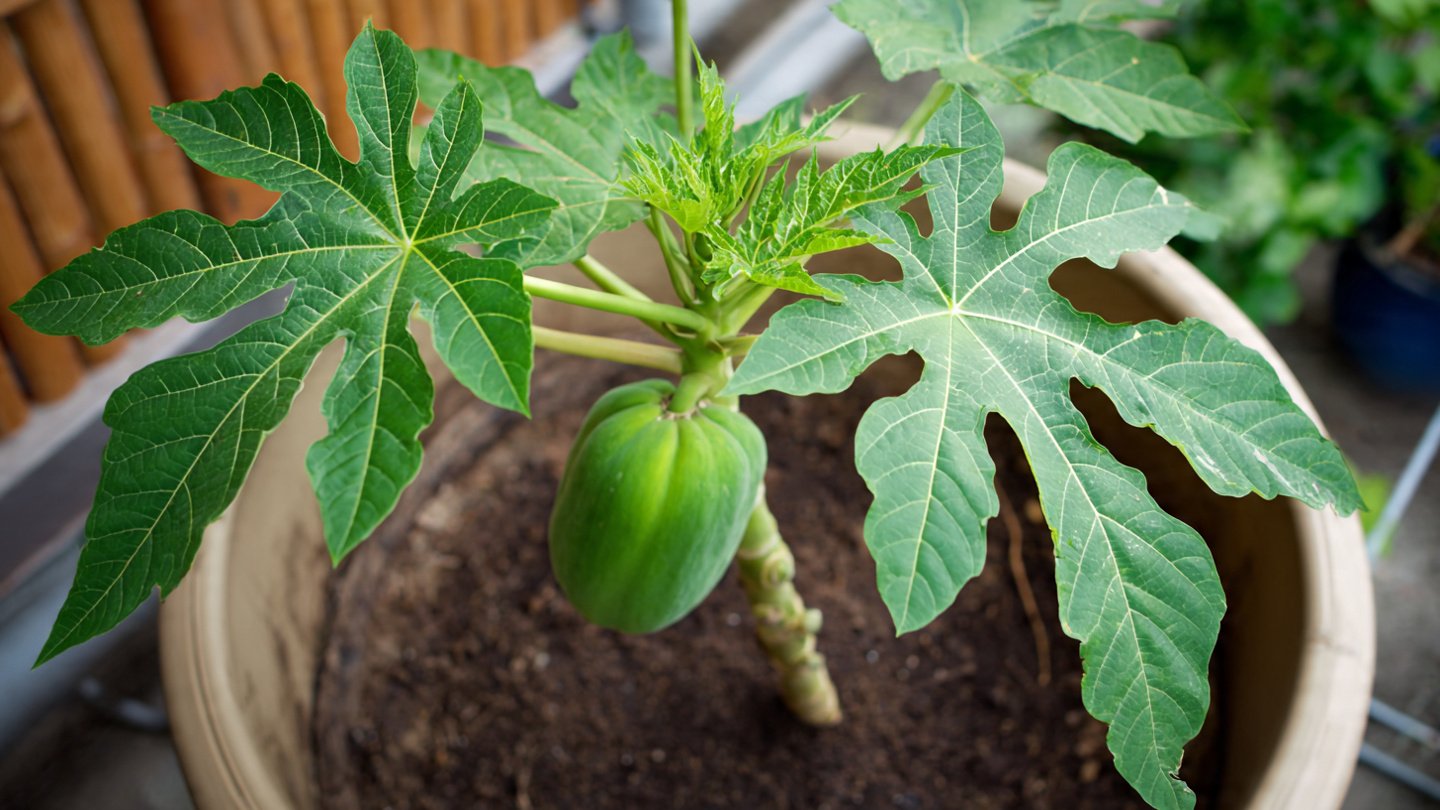
Papaya (Carica papaya) is a tropical fruit cherished for its sweet, juicy flavor and abundant nutritional benefits, including vitamins A, C, and digestive enzymes like papain. Growing papaya in containers is an excellent option for gardeners with limited space or those who live in cooler climates and want to move the plants indoors during winter. Starting from seeds is easy, cost-effective, and rewarding, and with proper care, a container-grown papaya can bear fruit in just 6 to 12 months. This step-by-step guide explains how to grow healthy papaya plants from seeds in containers, ensuring vigorous growth and a fruitful harvest.
Step 1: Selecting Papaya Seeds
The first step in growing papaya from seeds is choosing the right seeds. You can either use seeds from a ripe papaya fruit or purchase seeds from a reliable nursery.
Tips for selecting seeds:
- Use fully ripe, healthy fruits for seed extraction. Avoid seeds from overripe or diseased fruits.
- Look for seeds that are firm, black, and plump; immature seeds may fail to germinate.
- If using store-bought seeds, ensure they are fresh and viable, as old seeds often have low germination rates.
Selecting high-quality seeds is crucial for achieving healthy, fast-growing papaya plants.
Step 2: Preparing Seeds for Germination
Papaya seeds have a gelatinous coating that can inhibit germination. Removing this coating improves sprouting success.
Steps for preparing seeds:
- Scoop seeds from a ripe papaya and rinse under running water to remove pulp.
- Rub the seeds gently with a paper towel or sieve to remove the outer mucilaginous layer.
- Optionally, soak the seeds in water for 24 hours to soften the seed coat and speed up germination.
Prepared seeds are ready to be sown, improving the chances of rapid and uniform germination.
Step 3: Choosing the Right Container
Papaya plants have long taproots and require deep, well-draining containers to grow successfully.
Container selection tips:
- Use a pot at least 12–15 inches deep and 12 inches wide for seedlings.
- Larger containers are recommended for mature plants to support root growth and fruiting.
- Ensure containers have drainage holes to prevent waterlogging, which can cause root rot.
Proper container selection ensures a healthy root system and prevents stress, leading to stronger plants.
Step 4: Selecting Suitable Soil
Papaya thrives in loose, well-draining soil with a slightly acidic to neutral pH (6.0–7.0).
Soil preparation:
- Mix garden soil with compost and perlite or sand to improve aeration and drainage.
- Avoid heavy clay soils, which can retain excess moisture and suffocate roots.
- Adding organic compost provides essential nutrients for early growth.
A rich, airy soil mix ensures that seedlings establish quickly and develop vigorous roots.
Step 5: Sowing Papaya Seeds
Once the seeds and soil are prepared, sowing can begin.
Steps for sowing seeds:
- Fill the container with prepared soil, leaving an inch of space at the top.
- Sow seeds about ½ inch deep, spaced evenly if multiple seeds are planted in the same container.
- Cover lightly with soil and water gently to moisten without washing seeds away.
Proper sowing depth is critical; planting too deep may prevent germination, while planting too shallow can dry out seeds.
Step 6: Germination and Early Care
Papaya seeds typically germinate within 2–3 weeks under optimal conditions.
Care during germination:
- Keep the soil consistently moist but not waterlogged.
- Place the container in a warm, sunny location with 6–8 hours of sunlight daily.
- Avoid harsh direct sunlight on young seedlings, as it can scorch delicate leaves.
Once seedlings emerge, thin out weaker plants to allow the strongest to thrive. Strong, healthy seedlings are the foundation for productive papaya plants.
Step 7: Transplanting and Container Management
As seedlings grow, they may need larger containers to accommodate root development.
Transplanting tips:
- Move seedlings to a larger container once they reach 6–12 inches tall.
- Handle seedlings carefully to avoid damaging fragile roots.
- Fill the new container with fresh, well-draining soil, and plant at the same depth as before.
Proper container management ensures continued healthy growth and prepares the plant for eventual fruiting.
Step 8: Watering and Fertilization
Papaya requires regular watering to maintain consistent soil moisture, especially in containers.
Watering tips:
- Water deeply whenever the top inch of soil feels dry.
- Avoid overwatering, as papaya is susceptible to root rot.
- Use a container with drainage holes to prevent standing water.
Fertilization tips:
- Apply a balanced, water-soluble fertilizer every 2–4 weeks during the growing season.
- Incorporate compost or organic fertilizer to encourage strong vegetative growth and flowering.
- Ensure adequate nitrogen for leaf growth, phosphorus for root and flower development, and potassium for fruiting.
Consistent watering and proper fertilization encourage robust growth and faster fruit production.
Step 9: Sunlight and Temperature
Papaya thrives in warm, sunny conditions.
Sunlight requirements:
- Provide at least 6–8 hours of direct sunlight daily.
- For indoor containers, place near a south-facing window or use supplemental grow lights.
Temperature considerations:
- Ideal temperature is between 70–90°F (21–32°C).
- Protect plants from frost, as papaya is highly sensitive to cold temperatures.
Maintaining optimal light and temperature ensures steady growth and healthy flowering.
Step 10: Pruning and Flower Management
Pruning papaya plants helps maintain shape, improves airflow, and directs energy to fruiting branches.
Pruning tips:
- Remove damaged, yellowing, or weak leaves regularly.
- Trim excessive lateral shoots to focus energy on main growth.
- Manage flowers to prevent overcrowding; selective thinning encourages larger fruits.
Regular pruning promotes strong structure and high-quality fruit production.
Step 11: Pollination and Fruit Development
Papaya flowers can be male, female, or hermaphrodite. Hermaphrodite plants are ideal for container growing since they can self-pollinate.
Pollination tips:
- Ensure pollinators, such as bees, have access to outdoor plants.
- For indoor plants, hand-pollinate by transferring pollen from male to female flowers using a small brush.
Fruit typically develops within 3–6 months after flowering. Proper pollination ensures consistent fruit set and maximizes yield.
Step 12: Harvesting Papaya
Papaya is ready to harvest when the skin begins turning yellow, and the fruit feels slightly soft.
Harvesting tips:
- Cut fruit with a sharp knife, leaving a small stem attached.
- Avoid pulling fruit, as this can damage the plant and reduce future yields.
- Handle carefully to prevent bruising.
Container-grown papaya can produce several fruits per plant, and harvesting at the right stage ensures optimal sweetness and texture.
Advantages of Growing Papaya in Containers
- Space-saving: Perfect for small gardens, patios, or balconies.
- Portability: Containers can be moved to optimize sunlight or protect from frost.
- Control over soil and water: Easier to manage nutrients and moisture than in open soil.
- Faster growth: Warm soil in containers can encourage faster germination and growth.
- Reduced disease risk: Container growing minimizes soil-borne diseases and pests.
These benefits make container-grown papaya an excellent option for beginners and experienced gardeners alike.
Common Mistakes to Avoid
- Planting seeds too deep: Can prevent germination.
- Overcrowding seedlings: Leads to weak growth and competition for nutrients.
- Overwatering: Causes root rot and fungal infections.
- Insufficient sunlight: Leads to legginess and poor fruit development.
- Ignoring temperature: Exposure to frost can kill young plants.
Avoiding these mistakes ensures strong, healthy papaya plants that produce fruit efficiently.
Conclusion
Growing papaya in containers from seeds is an easy and rewarding process that allows gardeners to enjoy fresh tropical fruit year-round. By selecting high-quality seeds, preparing them properly, using suitable containers and soil, and providing consistent care, you can cultivate vigorous, fruit-bearing papaya plants even in limited spaces.
With proper watering, fertilization, sunlight, pruning, and pollination, container-grown papaya can produce multiple delicious fruits in less than a year. This method is ideal for beginners, urban gardeners, and anyone seeking fresh, nutrient-rich papaya at home. Following this step-by-step guide ensures a successful, healthy, and productive container-grown papaya garden.