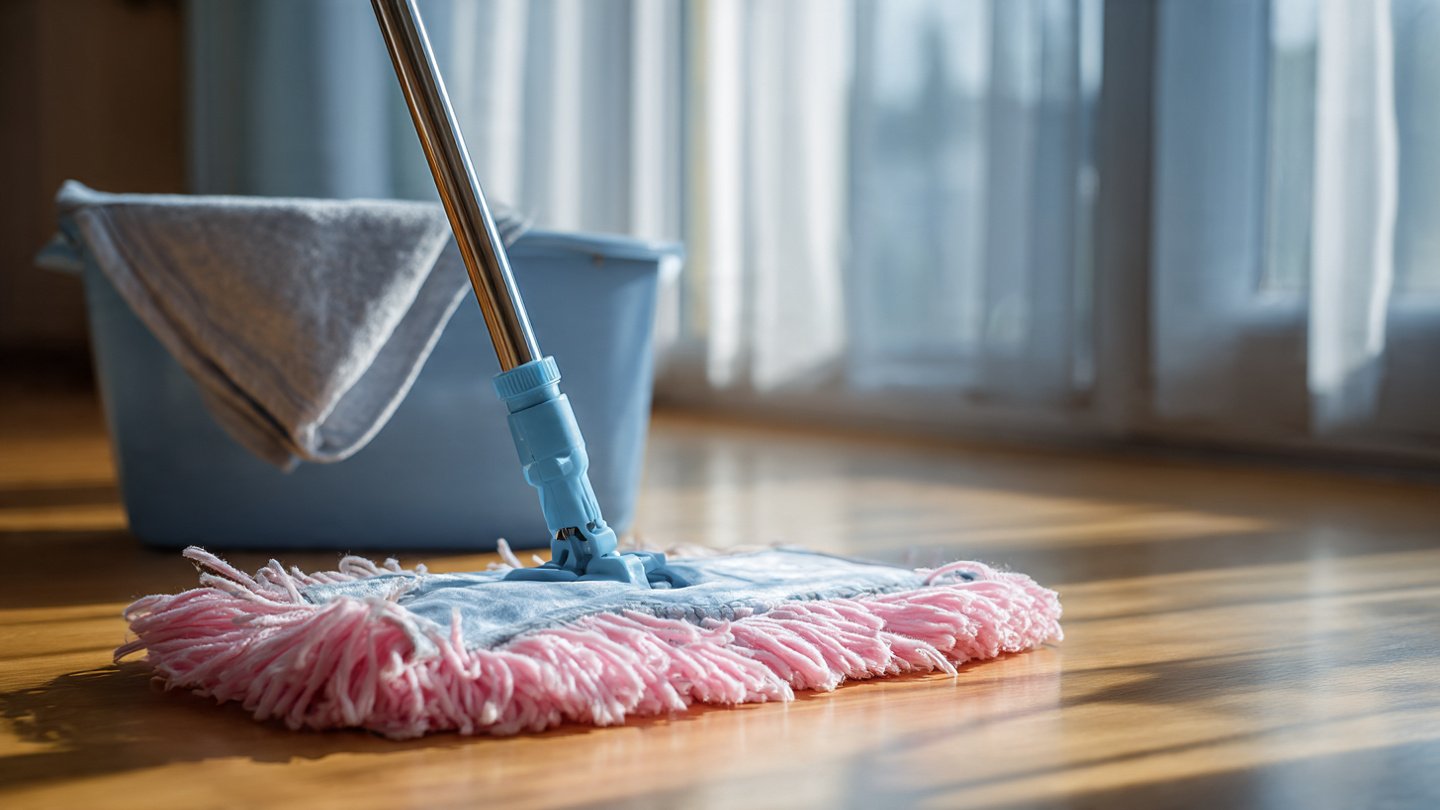
Keeping floors clean is a basic household priority, but not all cleaning practices are equally effective. Many people follow routines based on myths or misconceptions that waste both time and energy. By understanding the truth behind these myths, you can clean more efficiently, protect your floors, and reduce unnecessary effort. Here, we explore common daily floor cleaning myths and offer practical solutions to help you maintain sparkling floors without overexertion.
Myth 1: You Must Mop Every Day
One of the most persistent floor cleaning myths is that mopping daily is essential to maintain cleanliness. While frequent mopping may be necessary in high-traffic commercial areas, for most homes, daily mopping is overkill.
- Why it’s a myth: Over-mopping can damage certain floor types, especially hardwood and laminate, by introducing excessive moisture. It also wastes water and cleaning solution.
- Reality: Sweeping or vacuuming daily is sufficient for general dirt and debris. Mopping can be done 1–3 times per week depending on foot traffic and type of flooring. Spot-clean spills immediately instead of routine daily mopping to maintain hygiene without unnecessary work.
Myth 2: Harsh Chemicals Make Floors Cleaner
Many people believe that the stronger the chemical, the cleaner the floor will be. This is not only misleading but can also damage flooring materials over time.
- Why it’s a myth: Harsh chemicals can strip protective coatings, fade colors, and even create slippery surfaces. They are rarely necessary for regular daily cleaning.
- Reality: Mild detergents, pH-neutral cleaners, or even natural solutions like diluted vinegar are usually sufficient for everyday cleaning. Choosing products that match your floor type—such as hardwood, tile, or vinyl—ensures cleaning is effective and safe.
Myth 3: All Floor Types Require the Same Cleaning Routine
Many homeowners follow a one-size-fits-all approach, using the same tools and cleaners on hardwood, tile, laminate, and carpeted floors. This is inefficient and can cause damage.
- Why it’s a myth: Different materials have distinct properties. Hardwood is sensitive to moisture, tile requires grout care, and carpets trap dust in fibers. Treating all floors the same ignores these nuances.
- Reality: Learn the recommended care for each floor type. For hardwood, sweep and use a barely damp mop with a wood-safe cleaner. Tile can tolerate more water and mild detergents, while carpets benefit from vacuuming and occasional steam cleaning. Using the wrong method not only wastes effort but shortens floor lifespan.
Myth 4: Dusting or Sweeping Alone Removes All Dirt
Some believe that simply sweeping or dusting daily guarantees a clean floor. While it removes surface debris, it does not address all contaminants.
- Why it’s a myth: Dusting or sweeping mainly removes visible dirt. Microbes, sticky residues, and grime in high-traffic zones remain behind.
- Reality: Regular sweeping or vacuuming is essential but should be supplemented with occasional mopping or steam cleaning, depending on the floor type. This prevents buildup while avoiding the unnecessary energy expenditure of daily intensive scrubbing.
Myth 5: Using a Dirty Mop or Vacuum is Fine
A common mistake is assuming that any mop or vacuum is effective, regardless of its condition. This leads to ineffective cleaning and even the redistribution of dirt.
- Why it’s a myth: Dirty cleaning tools spread bacteria and dirt rather than remove them. Mop heads saturated with debris leave streaks and grime. Vacuum filters clogged with dust reduce suction and trap particles instead of extracting them.
- Reality: Regularly rinse and disinfect mop heads, replace vacuum filters, and clean attachments. Clean tools make cleaning faster and more efficient, reducing the time and effort needed to achieve spotless floors.
Myth 6: Bleach Is Necessary for Germ-Free Floors
Some homeowners believe that only bleach can sanitize floors effectively. While bleach is a strong disinfectant, it is rarely needed for everyday cleaning.
- Why it’s a myth: Bleach can damage flooring finishes and irritate skin or lungs if used daily. Over-reliance on bleach wastes time and introduces unnecessary chemicals into your home.
- Reality: For daily cleaning, a mild disinfectant or vinegar solution is sufficient. Reserve bleach for deep cleaning after illness, spills, or specific sanitation needs. Proper cleaning with mild products maintains hygiene without overexertion.
Myth 7: Steam Mopping Works for Every Floor
Steam mops are popular, but not every flooring type benefits from them. Many assume that steam mopping is universally safe.
- Why it’s a myth: Excess heat and moisture from steam can warp wood, damage laminate, and loosen floorboards. Using steam incorrectly can create more problems than it solves.
- Reality: Steam mops are ideal for sealed tiles and vinyl. For hardwood or laminate, use a damp mop with a suitable cleaner to avoid water damage. Knowing which tool suits each floor saves both energy and the cost of repairs.
Myth 8: You Must Move All Furniture Daily
Some believe that every cleaning session requires moving furniture to reach every corner. While deep cleaning may occasionally necessitate this, daily cleaning doesn’t.
- Why it’s a myth: Moving heavy furniture daily is time-consuming, physically demanding, and often unnecessary.
- Reality: For daily maintenance, sweep, vacuum, or mop around furniture edges. Only move items during weekly or monthly deep cleaning sessions. This approach saves energy and reduces the risk of injury or damage to floors.
Myth 9: Floor Shine Equals Cleanliness
It’s common to equate shiny floors with cleanliness. People often apply polish or wax daily to maintain a glossy look, believing it ensures a germ-free surface.
- Why it’s a myth: Shine is cosmetic; it does not indicate the removal of dirt or bacteria. Overuse of wax or polish can build up residues, attract dust, and make cleaning more difficult.
- Reality: Focus on actual dirt removal through appropriate cleaning routines. Shine can be maintained occasionally with polish or specialized treatments, not daily, which conserves time and energy.
Myth 10: Vacuuming Once Is Enough
Vacuuming a room once, especially in high-traffic areas, is sometimes considered sufficient. This underestimates how quickly dirt, dust, and debris accumulate.
- Why it’s a myth: One pass removes surface debris but leaves dirt in corners, under furniture, or within carpet fibers.
- Reality: For daily or frequent maintenance, vacuum the most-used areas, but periodically rotate furniture and vacuum hidden zones. This approach prevents stubborn dirt buildup without the wasted effort of fully vacuuming every area multiple times daily.
Efficient Daily Floor Cleaning Tips
By dispelling these myths, you can adopt strategies that maximize efficiency and minimize wasted effort:
- Sweep or vacuum daily, mop selectively. Focus on high-traffic zones for daily attention.
- Use appropriate cleaners. Mild, floor-type-specific products maintain cleanliness without harming surfaces.
- Clean tools regularly. A clean mop and vacuum enhance effectiveness and reduce labor.
- Spot-clean spills. Treat stains or sticky residues immediately rather than mopping the entire floor.
- Protect floors. Use rugs or mats in entryways to reduce dirt tracking.
- Rotate deep cleaning tasks. Move furniture and do intensive cleaning weekly rather than daily.
These strategies save energy, reduce chemical usage, and maintain healthier, cleaner floors over time.
Conclusion
Daily floor cleaning is essential, but following myths and misconceptions can waste time and energy while potentially harming your floors. Over-mopping, using harsh chemicals, or treating all floors the same are common mistakes that can make cleaning less efficient. Understanding the realities of floor care—such as proper tools, gentle cleaners, and selective deep cleaning—helps maintain floors that are not only clean but also healthy and long-lasting.
By dispelling these myths and adopting practical cleaning routines, you can keep your floors sparkling with less effort, prevent damage, and enjoy a more efficient household cleaning schedule. In essence, smart cleaning beats overzealous cleaning, saving you time, energy, and frustration while ensuring your home remains safe, sanitary, and inviting.