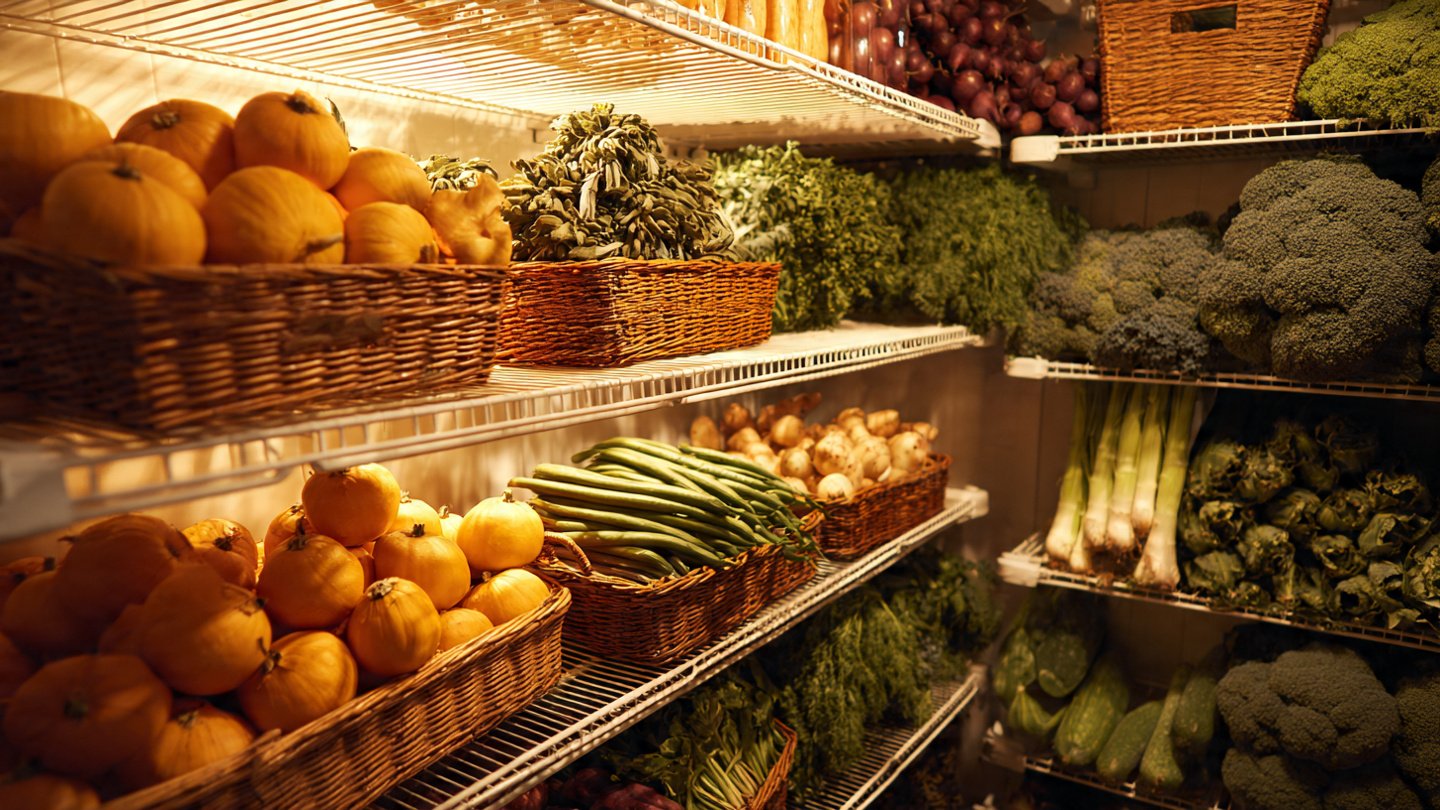
There’s nothing quite like the satisfaction of harvesting your own fruits, vegetables, and herbs. The vibrant colors, rich flavors, and knowledge that you grew them yourself make every bite more enjoyable. However, one of the biggest challenges for home gardeners and small-scale farmers is extending the shelf life of their harvest. Fresh produce, if not stored properly, can spoil within days, wasting time, effort, and money. The good news is that with the right storage methods, many fruits and vegetables can remain fresh for weeks or even months, allowing you to enjoy the rewards of your garden long after picking.
Understanding the best ways to store different types of produce requires a combination of knowledge about the biological properties of fruits and vegetables, temperature and humidity control, and practical storage techniques. By mastering these factors, you can maintain flavor, texture, and nutritional value for months.
Understanding Produce Lifespan
Different fruits and vegetables have inherently different lifespans based on their water content, cellular structure, and natural ripening process. For example, leafy greens like lettuce and spinach are highly perishable, whereas root vegetables like carrots and beets can last much longer under the right conditions.
The first step to keeping your harvest fresh is understanding which category your produce belongs to:
- Highly perishable produce: Leafy greens, berries, herbs, and mushrooms. These items need immediate refrigeration and proper handling.
- Moderately perishable produce: Tomatoes, peppers, cucumbers, and zucchini. They can last a few days to a couple of weeks with careful storage.
- Long-term storage produce: Root vegetables like potatoes, carrots, onions, garlic, and winter squash. When stored correctly, these can last for months.
Knowing the natural lifespan of your produce helps determine the appropriate storage method, ensuring minimal waste and maximum freshness.
Temperature Control: The Key to Longevity
Temperature is perhaps the most critical factor affecting the longevity of harvested produce. Most fruits and vegetables continue to respire after harvest, meaning they continue to use oxygen and produce carbon dioxide, which can accelerate spoilage. Cooler temperatures slow down respiration, extending shelf life.
- Refrigeration: Leafy greens, berries, herbs, and most fruits benefit from being stored in the refrigerator at 32°F to 40°F (0°C–4°C). Use crisper drawers with controlled humidity to prevent wilting or drying out.
- Cool storage: Root vegetables like potatoes, carrots, and beets should be stored in a cool, dark, and ventilated space, ideally between 40°F and 50°F (4°C–10°C). Avoid storing potatoes in the refrigerator, as cold temperatures can convert starches to sugars, altering flavor.
- Room temperature: Some fruits, such as tomatoes and bananas, should be stored at room temperature until fully ripe. Refrigeration before ripening can negatively affect taste and texture.
By matching produce to its ideal storage temperature, you can significantly extend freshness and maintain flavor.
Controlling Humidity
Humidity is another often-overlooked factor in produce storage. High-humidity environments help prevent leafy vegetables from wilting, while low-humidity storage prevents mold and decay in drier items like onions and garlic.
- High humidity: Leafy greens, herbs, and cucumbers thrive in 90–95% relative humidity. Storing them in perforated plastic bags or containers lined with damp paper towels can maintain this environment.
- Moderate to low humidity: Onions, garlic, winter squash, and sweet potatoes prefer lower humidity (around 50–60%) to prevent rot. Ventilated baskets, mesh bags, or wooden crates work well for these items.
Proper humidity control balances moisture retention with air circulation, reducing spoilage and extending storage life.
Using Proper Storage Containers
The type of container used can dramatically influence how long produce stays fresh. Containers should promote airflow while minimizing physical damage and moisture loss.
- Perforated plastic bags: Ideal for leafy greens and herbs. These allow air circulation while maintaining moisture levels.
- Glass or airtight containers: Best for pre-washed or cut produce. They prevent contamination but may need occasional airflow to avoid condensation.
- Wooden crates, baskets, or mesh bags: Suitable for root vegetables, onions, and garlic. These containers provide ventilation, preventing rot and mold.
Choosing the right container is a simple but effective step in preserving the quality of your harvest.
Storage Methods for Specific Produce Types
Leafy Greens and Herbs
Leafy greens and tender herbs are highly perishable and require immediate attention after harvest. Wash only if necessary, as excess moisture can promote mold. Wrap leaves in slightly damp paper towels and store them in perforated plastic bags or containers in the refrigerator. For longer storage, consider freezing herbs by chopping them and placing them in ice cube trays with water or oil.
Root Vegetables
Root vegetables like carrots, beets, and parsnips benefit from a cool, dark, and slightly humid environment. Remove any green tops from carrots and beets, as they draw moisture from the roots. Store in perforated plastic bags or boxes filled with sand or sawdust to maintain humidity while preventing rot. Potatoes should be kept in a dark, dry place, away from onions, as they emit gases that accelerate spoilage.
Fruits
Fruits vary widely in storage needs. Apples, pears, and citrus can last several weeks to months in cool storage, ideally in crisper drawers at 32°F to 40°F (0°C–4°C). Berries and cherries, however, are highly perishable and should be eaten within a few days or frozen for later use. Tomatoes should be stored at room temperature until ripe, then used quickly or lightly refrigerated if necessary.
Winter Squash and Pumpkins
Winter squash, pumpkins, and other hard-skinned vegetables are perfect for long-term storage. Cure them for a week or two in a warm, dry place to harden their skin before storing in a cool, dry, ventilated area. Under these conditions, winter squash can remain edible for several months.
Freezing for Longevity
Freezing is one of the most reliable methods for long-term preservation. Most vegetables, such as peas, corn, spinach, and beans, can be blanched briefly in boiling water, cooled, and then frozen in airtight containers. Fruits like berries, peaches, and mangoes can be frozen directly or with sugar to maintain texture and flavor. Freezing halts the respiration process and preserves nutrients, making it ideal for extending the harvest season.
Canning and Preserving
Canning is a classic method to preserve fruits, vegetables, and even sauces. By sterilizing jars and sealing food in airtight containers, you can store your harvest for months without refrigeration. Properly canned tomatoes, pickles, jams, and sauces can last for a year or more. Always follow safe canning practices to avoid contamination and ensure food safety.
Dehydration
Dehydrating produce removes moisture, which inhibits bacterial and fungal growth. Herbs, mushrooms, fruits, and even tomatoes can be dehydrated using a food dehydrator, oven, or air-drying method. Store dried produce in airtight containers in a cool, dark place. Dehydration not only extends shelf life but also concentrates flavors, making dried herbs and fruits ideal for cooking and snacking.
Fermentation
Fermentation is a natural preservation method that can last for months if done correctly. Vegetables like cabbage, cucumbers, and carrots can be fermented into sauerkraut, pickles, and kimchi. The process produces lactic acid, which preserves the food and adds probiotics for gut health. Fermentation is both a storage solution and a way to enhance flavor and nutrition.
Rotating Your Stock
An essential but often overlooked principle is stock rotation. Always use the oldest produce first to prevent waste. Label containers with dates and organize storage areas so that items harvested earlier are more accessible. This practice ensures nothing is forgotten at the back of the refrigerator, cellar, or pantry.
Monitoring and Maintenance
Even with perfect storage conditions, regular monitoring is crucial. Check produce for signs of spoilage, mold, or soft spots. Remove compromised items immediately to prevent them from affecting others. Maintaining cleanliness in storage areas, including refrigerators, pantries, and root cellars, further extends the freshness of your harvest.
Conclusion
Keeping your harvest fresh for months is entirely achievable when you understand the biological needs of your produce and apply the right storage methods. By considering temperature, humidity, container type, and preservation techniques, you can significantly extend the life of fruits, vegetables, and herbs. From refrigeration and cool storage to freezing, canning, dehydration, and fermentation, each method offers a way to savor your harvest long after it has been picked.
Combining these strategies with thoughtful handling, stock rotation, and regular monitoring ensures that your homegrown produce remains flavorful, nutritious, and enjoyable for months. With these insights, you can minimize waste, save money, and make the most of every fruitful season, transforming your harvest into a lasting source of nourishment and culinary delight.