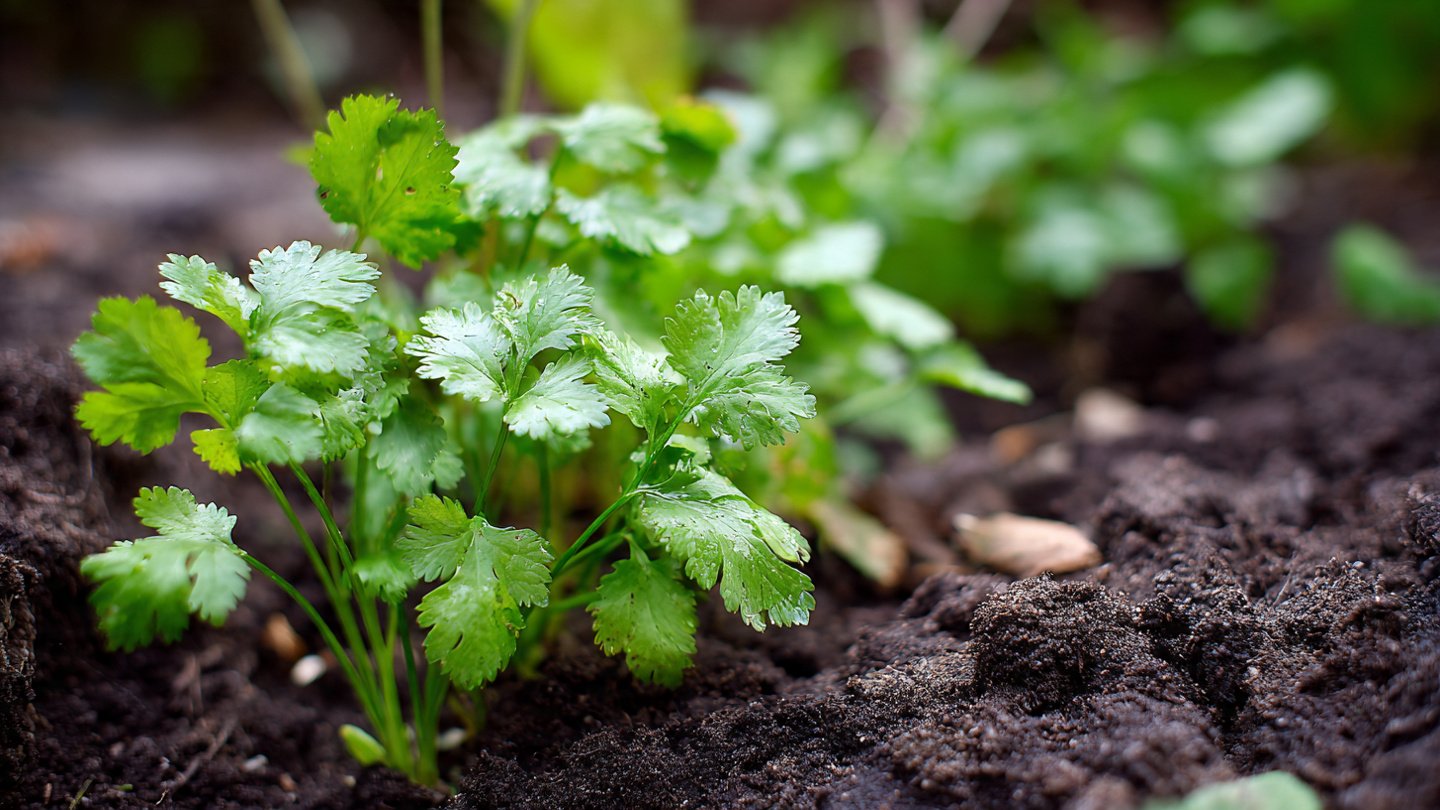
Coriander, also known as cilantro in some regions, is one of the most versatile and widely used herbs in the culinary world. Its fresh, aromatic leaves add a distinctive flavor to dishes ranging from curries and salads to salsas and soups. In addition to its culinary value, coriander offers health benefits, including aiding digestion, reducing inflammation, and providing antioxidants. Growing coriander at home is not only rewarding but also ensures a steady supply of fresh leaves for your kitchen. With proper techniques, gardeners can achieve abundant leafy harvests from seed to table. This guide provides a complete roadmap for cultivating coriander successfully.
Understanding Coriander
Coriander (Coriandrum sativum) is an annual herb belonging to the Apiaceae family. The plant produces both leafy greens and seeds, both of which are used in cooking. The leaves, often referred to as cilantro, have a bright, tangy flavor, while the seeds offer a warm, citrusy aroma commonly used in spice blends.
Coriander has a relatively short lifecycle, typically reaching maturity in 45–70 days. Its rapid growth and adaptability make it ideal for container gardening, raised beds, and traditional garden plots.
Selecting the Right Variety
Choosing the right variety is key to a consistent and abundant harvest. Several coriander cultivars are available:
- Santo: Slow-bolting variety, ideal for leaf production in warm climates.
- Calypso: Produces dense, flavorful leaves and tolerates high temperatures.
- Caribe: Resistant to bolting and pests, suitable for successive sowing.
For gardeners seeking continuous leafy harvests, slow-bolting varieties are preferable, as they produce foliage longer before flowering and seed formation.
Ideal Growing Conditions
Coriander thrives under specific environmental conditions:
- Sunlight: Prefers full sun to partial shade. In hot climates, partial shade prevents premature bolting.
- Temperature: Optimal growth occurs between 15–25°C (59–77°F). Excessive heat accelerates flowering, reducing leaf production.
- Soil: Well-draining, fertile soil with a pH of 6.2–6.8 is ideal. Incorporate organic compost to improve fertility and structure.
- Moisture: Consistent moisture is essential, but the soil should not be waterlogged. Coriander prefers evenly damp soil for steady growth.
Starting from Seeds
Coriander is best grown from seed, and direct sowing is generally recommended as it does not transplant well. Here’s how to begin:
- Seed Preparation: Coriander seeds are actually two seeds joined together. Crush them lightly or soak for a few hours to improve germination rates.
- Sowing Depth: Plant seeds about ¼–½ inch deep in well-prepared soil.
- Spacing: Sow seeds 1–2 inches apart in rows or clusters, leaving 12 inches between rows for airflow and access.
- Germination: Seeds typically germinate in 7–14 days. Maintain consistent moisture and avoid letting the soil dry out.
Succession Sowing for Continuous Harvest
Coriander has a short growing season before it bolts and produces flowers. To ensure a continuous leafy harvest:
- Sow seeds every 2–3 weeks in small batches.
- Staggered planting guarantees a fresh supply of leaves for several months.
- Use successive sowing in containers or garden beds to avoid gaps in production.
Container vs. Garden Cultivation
Coriander is highly adaptable and can be grown in containers or traditional garden beds:
- Containers: Choose pots at least 8–10 inches deep with good drainage. Containers are ideal for patios, balconies, or areas with limited space.
- Garden Beds: Raised beds or rows in a garden allow for more extensive planting. Ensure proper spacing and soil preparation for optimal growth.
Watering and Fertilization
Proper watering and nutrient management are crucial for lush coriander growth:
- Watering: Keep the soil consistently moist but avoid waterlogging. Deep, frequent watering encourages strong root development.
- Fertilization: Apply a balanced, water-soluble fertilizer every 3–4 weeks. Alternatively, incorporate compost or organic amendments into the soil for steady nutrient availability.
- Mulching: A layer of organic mulch helps retain soil moisture, regulate temperature, and suppress weeds.
Managing Bolting
Bolting occurs when coriander prematurely produces flowers, reducing leaf quality and yield. Factors influencing bolting include heat, long daylight hours, and stress.
- Temperature Management: In warmer climates, provide partial shade during the hottest part of the day.
- Watering: Maintain consistent moisture to reduce stress-induced bolting.
- Succession Sowing: Plant new seeds regularly to replace bolting plants and maintain a continuous supply of leaves.
Pruning and Harvesting
Harvesting correctly encourages vigorous growth and maximizes yield:
- Timing: Begin harvesting leaves when plants reach 4–6 inches in height.
- Method: Use sharp scissors or garden shears to cut outer leaves at the base, leaving the inner leaves intact. Avoid uprooting the entire plant.
- Continuous Harvest: Regular leaf harvesting stimulates new growth. Avoid harvesting more than one-third of the plant at a time to prevent stress.
Pest and Disease Management
Coriander is relatively hardy but can be affected by certain pests and diseases:
- Pests: Aphids, caterpillars, and spider mites may target leaves. Use neem oil, insecticidal soap, or handpicking for control.
- Diseases: Powdery mildew and leaf spot can occur in humid conditions. Ensure good airflow, proper spacing, and avoid overhead watering to reduce disease incidence.
- Preventive Measures: Rotate crops, remove diseased leaves promptly, and maintain clean garden hygiene.
Companion Planting
Coriander benefits from companion planting, which can enhance growth and deter pests:
- Beneficial Companions: Tomatoes, carrots, spinach, and beans grow well alongside coriander.
- Pest Deterrence: Coriander’s aromatic leaves repel certain pests, providing natural protection to neighboring plants.
From Leaf to Table
Once harvested, coriander can be used fresh or stored for later use:
- Fresh Use: Wash leaves thoroughly and pat dry. Add directly to salads, salsas, curries, or garnishes.
- Storage: Wrap leaves in damp paper towels and store in an airtight container in the refrigerator. Fresh coriander can last up to a week.
- Freezing: Chop leaves and freeze in ice cube trays with a little water or olive oil for long-term use.
- Seed Harvest: Allow some plants to flower and produce seeds. Collect, dry, and store seeds for future planting or culinary use.
Tips for Abundant Leafy Harvests
- Choose slow-bolting varieties suited to your climate.
- Provide consistent moisture and partial shade in hot conditions.
- Practice succession sowing to ensure a continuous supply of leaves.
- Harvest leaves regularly to promote new growth.
- Monitor for pests and diseases to prevent damage.
- Enrich the soil with compost or organic fertilizers for sustained nutrition.
Conclusion
Growing coriander from seed to table is an accessible and rewarding experience for gardeners of all levels. With proper planning, environmental care, and maintenance, gardeners can enjoy abundant leafy harvests year-round. By selecting suitable varieties, providing the right soil, ensuring consistent watering, and practicing succession sowing, coriander can thrive both in containers and traditional garden beds.
From fresh leaves in the kitchen to seeds for spices and future planting, coriander offers versatility and flavor while adding greenery to your garden. By following these complete steps, gardeners can cultivate coriander successfully, ensuring a steady supply of this aromatic herb for cooking, health, and enjoyment.
Whether you are a beginner or an experienced gardener, incorporating coriander into your garden provides continuous rewards, both in terms of taste and garden productivity. With minimal effort and attention, you can grow robust plants that produce lush, flavorful leaves, transforming your homegrown coriander into a culinary staple.