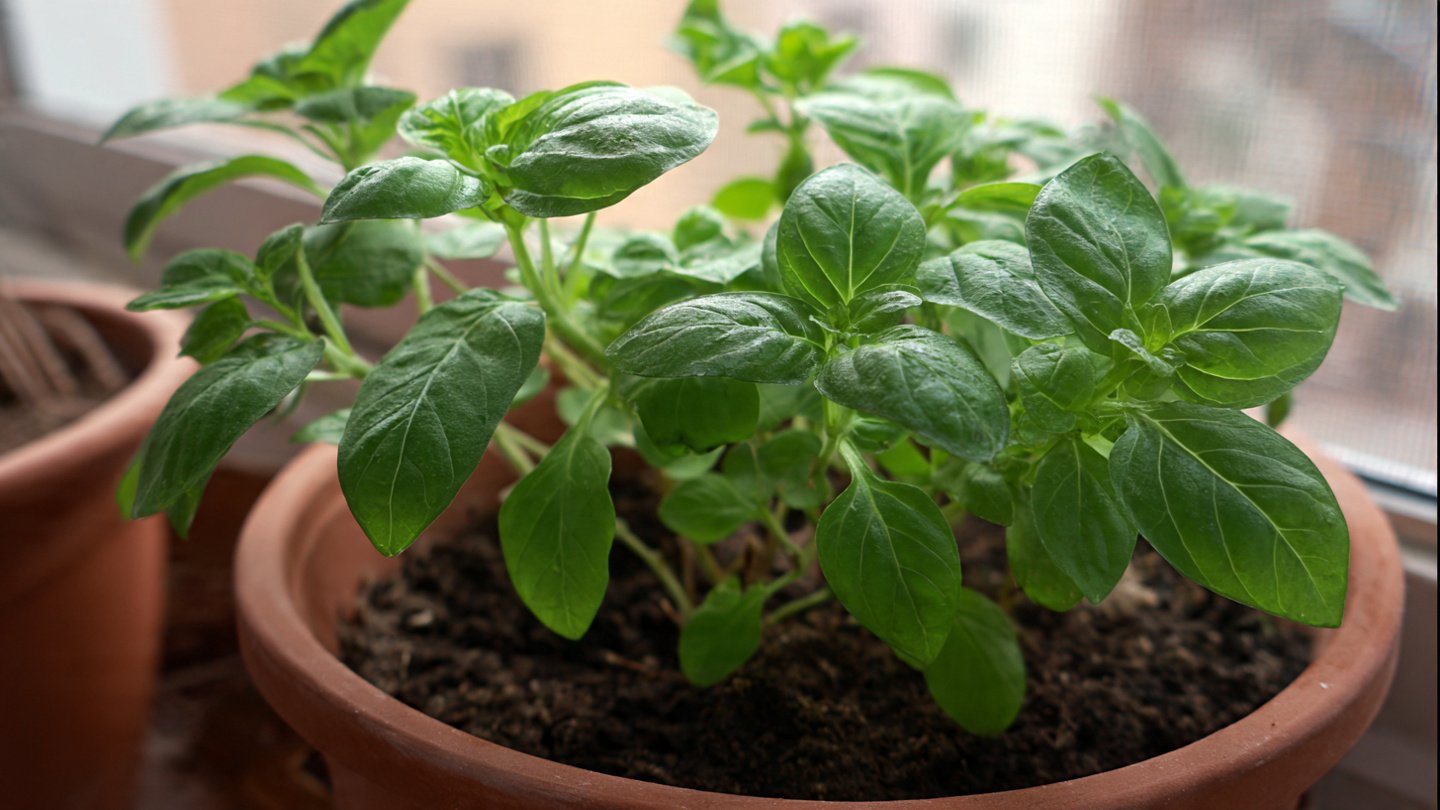
Growing your own vegetables and herbs at home is both satisfying and practical, especially if you live in a city with limited garden space. One plant that has been gaining popularity among home gardeners is Basella, also known as Malabar spinach. Unlike common spinach, Basella is a tropical vine with thick, succulent leaves that thrive in warm climates. But what if you don’t have a garden? Can you successfully grow Basella in a pot? The short answer is yes—but it requires understanding the plant’s unique needs and applying the right method. In this article, we’ll explore everything you need to know to grow Basella in containers successfully.
Why Grow Basella in a Pot?
Basella is a vigorous climbing plant that can produce lush, nutrient-rich leaves all season long. Its fast growth and high yield make it ideal for small spaces. Growing it in a pot offers several advantages:
- Space Efficiency: You can grow Basella on balconies, patios, or even indoors near a sunny window.
- Mobility: Containers allow you to move plants to protect them from harsh weather or pests.
- Soil Control: Potting allows for better control over soil quality, ensuring your Basella gets the nutrients it needs.
- Extended Growing Season: By moving pots indoors during cooler months, you can extend the plant’s growing season.
However, growing Basella in a pot is not as simple as tossing seeds into soil. It requires careful planning, the right pot, and consistent care.
Choosing the Right Container
Selecting the correct container is critical for the successful growth of Basella. This plant is a climbing vine, so it needs a pot that allows for both root development and support for vertical growth. Here are some tips for container selection:
- Size: Choose a pot that is at least 12 inches deep and 12 inches wide. Larger containers allow for better root expansion and reduce the risk of the plant drying out too quickly.
- Material: Basella prefers pots made from porous materials like terracotta, which allow for good air circulation to the roots. Plastic pots retain moisture but can overheat in direct sunlight.
- Drainage: Ensure your pot has adequate drainage holes. Basella roots do not like waterlogged soil, and proper drainage helps prevent root rot.
Additionally, because Basella is a climbing plant, you’ll need to provide a trellis or support structure within or near the pot. Without vertical support, the vine may sprawl, making harvesting more challenging and potentially stunting growth.
Selecting the Best Soil
Basella thrives in rich, well-draining soil. Container soil tends to dry out faster than garden soil, so it’s important to select a mix that holds moisture while still providing good aeration. A recommended potting mix includes:
- Compost: Enriches the soil with nutrients and improves water retention.
- Coco Coir or Peat Moss: Helps retain moisture without becoming soggy.
- Perlite or Sand: Improves drainage and prevents compaction.
Basella prefers slightly acidic to neutral soil, with a pH of 6.0 to 7.5. You can test your potting soil with a home pH kit and amend it if necessary using lime to raise pH or sulfur to lower it.
Starting Basella from Seeds
Growing Basella in a pot begins with selecting high-quality seeds. You can buy Basella seeds online or from local nurseries. There are two main varieties: green Malabar spinach and red Malabar spinach, both edible and equally suitable for container gardening.
Steps to Grow from Seeds:
- Soak the Seeds: Basella seeds have a hard coating. Soak them in warm water for 24 hours to improve germination.
- Sow Seeds in a Small Pot: Fill a small seed tray or nursery pot with seed-starting mix. Plant seeds about ½ inch deep.
- Keep Warm and Moist: Basella seeds germinate best in temperatures between 75–85°F. Cover the tray with a clear plastic lid or plastic wrap to retain humidity.
- Transplant Seedlings: When seedlings reach 4–6 inches tall and have at least 2–3 sets of true leaves, transplant them into the larger pot prepared with the trellis.
Germination usually takes 10–14 days, though warmer temperatures can accelerate growth.
Caring for Basella in a Pot
Once your Basella seedlings are established, the next step is proper care. Container-grown Basella requires slightly more attention than in-ground plants because pots can dry out quickly.
Light Requirements
Basella loves sunlight. Provide at least 6–8 hours of direct sunlight daily for optimal growth. If you’re growing Basella indoors, place it near a south-facing window or use a full-spectrum grow light to ensure it receives enough light.
Watering
Keep the soil consistently moist but not waterlogged. Water the plant when the top inch of soil feels dry. Since containers drain faster, you may need to water daily during hot weather. Mulching with organic material like straw or shredded leaves helps retain moisture.
Fertilization
Container-grown Basella benefits from regular feeding. Use a balanced, water-soluble fertilizer every 2–3 weeks. Organic options, such as compost tea or diluted fish emulsion, work well. Over-fertilization can lead to excessive leaf growth with weaker stems, so follow package instructions carefully.
Pruning and Training
As a climbing vine, Basella requires training on a trellis. Gently tie the stems to support as they grow. Prune regularly to encourage bushier growth and prevent overcrowding. Removing the top growth periodically also promotes lateral leaf development, giving you more harvestable leaves.
Common Challenges and How to Overcome Them
Even with proper care, growing Basella in a pot can present challenges:
- Pests: Aphids, spider mites, and whiteflies can attack Basella leaves. Treat infestations with neem oil or insecticidal soap.
- Root Bound: If your Basella outgrows its pot, roots may become crowded. Repotting into a larger container ensures continued healthy growth.
- Yellowing Leaves: Often caused by overwatering, poor drainage, or nutrient deficiencies. Adjust watering and supplement with a balanced fertilizer.
- Slow Growth: Insufficient sunlight or low temperatures can slow vine development. Ensure the plant receives ample warmth and light.
Harvesting Basella
One of the joys of container gardening is being able to harvest fresh leaves throughout the growing season. Basella leaves are ready for harvest when they reach 4–6 inches in length. Use scissors to snip leaves, leaving the growing tips intact to encourage continuous production.
You can also harvest the stems, which are edible and succulent. Frequent harvesting stimulates new growth and prevents the vine from becoming too woody.
Tips for Year-Round Container Growth
Because Basella is a tropical plant, it thrives in warm conditions. If you live in a cooler climate, consider these strategies for year-round container growth:
- Indoor Cultivation: Move pots indoors during winter and place them near a sunny window.
- Grow Lights: Supplement natural light with LED grow lights to maintain healthy growth indoors.
- Humidity: Tropical plants like Basella prefer high humidity. Mist leaves or place a humidity tray under the pot to mimic tropical conditions.
Conclusion
Yes, you can successfully grow Basella in a pot—and with the right method, it can thrive just as well as in a garden. Key steps include choosing a large, well-draining pot, providing a trellis for climbing, using nutrient-rich soil, and giving your plant consistent water, sunlight, and care. With proper attention, you can enjoy a continuous supply of nutrient-rich leaves and vibrant vines, even in small spaces or urban settings.
Growing Basella in containers not only makes fresh greens accessible year-round but also adds a lush, tropical feel to your balcony, patio, or indoor space. By following the best practices outlined here, you can turn even the smallest pot into a productive, beautiful source of healthy greens. So grab a pot, some seeds, and get ready to watch your Basella vine flourish—one leaf at a time!