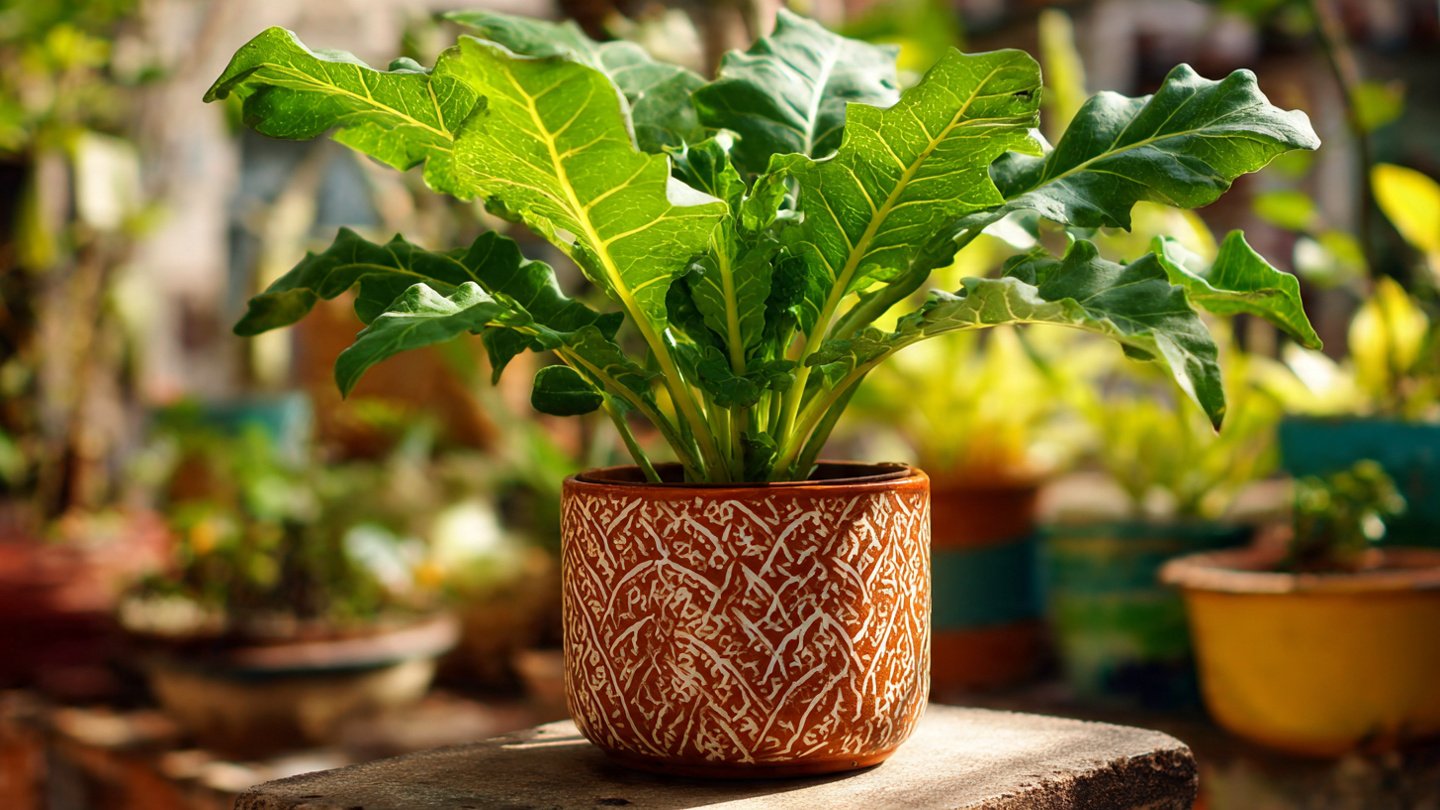
Poi Saag, also known as Malabar Spinach or Basella alba, is a tropical leafy green prized for its tender, succulent leaves and mild, slightly tangy flavor. Commonly used in salads, soups, and stir-fries, this nutrient-rich plant is high in vitamins A, C, iron, and calcium. Traditionally, poi saag is grown outdoors in warm climates where it can climb, spread, and thrive in nutrient-rich soil. But what if you live in an apartment, a temperate region, or simply want fresh leaves year-round? Can you really grow poi saag indoors? The answer is yes—and with a few clever techniques, you can enjoy a continuous supply of this delicious green.
Understanding Poi Saag and Its Growth Needs
Before diving into indoor cultivation, it’s important to understand the natural growth habit of poi saag. This plant is a fast-growing vine that thrives in warm, humid conditions. In tropical regions, it can climb trellises or sprawl across garden beds, reaching several feet in height in just a few months. The plant prefers:
- Sunlight: 4–6 hours of direct or bright indirect sunlight per day.
- Soil: Moist, well-draining soil rich in organic matter.
- Temperature: Warm temperatures between 70°F and 95°F (21°C–35°C).
- Moisture: Consistent watering without waterlogging; soil should remain damp but not soggy.
Knowing these requirements allows you to replicate its natural environment indoors, which is key to a healthy, productive plant.
The Indoor Challenge
Growing poi saag indoors poses a few challenges compared to outdoor cultivation. First, indoor spaces often lack sufficient sunlight, which can slow growth and reduce leaf size. Second, humidity levels indoors—especially in air-conditioned or heated rooms—can be too low for tropical plants. Finally, since poi saag is a climbing vine, it needs support to grow vertically and maximize leaf production.
Despite these challenges, indoor gardening offers advantages: you can control temperature, protect the plant from pests, and harvest fresh leaves year-round. By applying smart techniques, these hurdles can be overcome.
Choosing the Right Container
Container selection is crucial for indoor poi saag cultivation. Since the plant has a shallow but spreading root system, a wide, medium-depth pot works best. Here’s what to look for:
- Size: At least 12–16 inches in diameter and 10–12 inches deep to allow root expansion.
- Drainage: Multiple drainage holes to prevent waterlogging and root rot.
- Material: Plastic, ceramic, or terracotta pots are suitable; terracotta offers better aeration but dries out faster.
For multiple plants, consider using individual containers or a large rectangular planter, allowing enough space between plants to prevent overcrowding.
Soil and Planting Mix
Poi saag thrives in nutrient-rich, well-draining soil. You can create an ideal indoor soil mix using:
- 50% potting soil for texture and aeration.
- 25% compost to provide essential nutrients.
- 25% coco peat or perlite to retain moisture while improving drainage.
Before planting, moisten the soil lightly. Sow seeds about 1–2 cm deep, or if using cuttings, insert them into the soil so at least one node is buried. Cover lightly with soil and water gently.
The Easy Hack: Using Cuttings for Faster Growth
While growing poi saag from seeds is possible, the fastest and most reliable indoor method is propagation using stem cuttings. Here’s how it works:
- Select a healthy, mature vine from an existing poi saag plant.
- Cut a 6–8 inch stem segment, making sure it has at least 2–3 nodes.
- Remove the leaves from the bottom node to prevent rotting.
- Place the cutting in a container of water or directly in moist soil.
- Roots should form in 1–2 weeks; once established, transplant into your main pot.
This technique accelerates growth compared to seeds, allows early harvesting, and ensures the new plant retains the characteristics of the parent.
Providing Adequate Light
Light is one of the most critical factors for indoor success. Without enough light, poi saag will grow leggy, with small, pale leaves. There are two options:
- Natural Sunlight: Place the pot near a south- or west-facing window where it can receive 4–6 hours of direct or bright indirect sunlight. Rotate the pot every few days to ensure even growth.
- Grow Lights: If natural sunlight is insufficient, use LED or fluorescent grow lights. Position the light 12–18 inches above the plant and keep it on for 12–14 hours a day to simulate tropical conditions.
Combining both natural and supplemental light often yields the best results.
Supporting Vertical Growth
Since poi saag is a climbing vine, providing vertical support indoors optimizes leaf production and saves space. You can use:
- Trellises or Bamboo Stakes: Insert a trellis or several bamboo sticks into the soil and gently tie the vines as they grow.
- Wall Hooks or Strings: Train vines along wall hooks or suspend strings from the ceiling to encourage upward growth.
- Indoor Plant Cages: Wire cages used for tomatoes or peppers work well for support.
Vertical growth also improves airflow around the plant, reducing the risk of fungal disease.
Watering and Humidity Tips
Indoor conditions are often drier than tropical environments. Consistent moisture is crucial for poi saag. Follow these tips:
- Water whenever the top 1–2 inches of soil feel dry.
- Avoid overwatering; soggy soil can lead to root rot.
- Increase humidity using a pebble tray filled with water or by misting leaves lightly.
- Grouping indoor plants together can naturally increase local humidity.
A well-hydrated plant produces tender, juicy leaves ideal for harvesting.
Fertilization for Indoor Success
Since the plant cannot draw nutrients from a large outdoor garden, regular feeding is essential indoors. Use a balanced, water-soluble fertilizer:
- Every 2–3 weeks: Apply a diluted NPK fertilizer (10:10:10) to promote leafy growth.
- Organic Option: Liquid compost or fish emulsion provides gentle nutrition for tender indoor leaves.
- Avoid over-fertilizing, which can lead to excessive foliage but weak stems.
Regular fertilization ensures the plant grows strong and produces abundant leaves for harvesting.
Harvesting Poi Saag Indoors
One of the joys of indoor gardening is continuous harvesting. Start picking leaves when the plant reaches 6–8 inches in height. Always harvest:
- From the top or outermost leaves to encourage lateral growth.
- No more than one-third of the plant at a time to prevent stress.
- Regular harvesting stimulates new growth, resulting in a perpetual supply.
Cut stems can also be used for propagation, creating a self-sustaining cycle of indoor plants.
Managing Pests Indoors
While indoors, poi saag is generally less prone to pests, but occasional infestations of aphids or spider mites can occur. Preventive measures include:
- Inspecting leaves regularly.
- Using neem oil or mild insecticidal soap if pests appear.
- Maintaining clean soil and removing fallen leaves.
Healthy, well-cared-for plants are naturally more resistant to pests and diseases.
Benefits of Growing Poi Saag Indoors
Growing poi saag indoors comes with multiple advantages:
- Year-Round Harvest: Indoor conditions allow you to grow even during off-season months.
- Freshness: Enjoy tender leaves immediately after harvest.
- Space Efficiency: Vertical growth makes it suitable for apartments or small balconies.
- Control Over Environment: Protects from pests, weather fluctuations, and soil-borne diseases.
With the right techniques, indoor poi saag can thrive as well as outdoor plants, providing continuous supply for salads, soups, and smoothies.
Conclusion
Yes, you can really grow poi saag indoors, and with this easy hack of using stem cuttings, combined with proper containers, light, watering, and vertical support, you can enjoy fresh leaves year-round. While indoor cultivation requires a little attention to detail, the rewards are substantial: faster growth, stronger plants, and a continuous harvest of nutritious, flavorful leaves.
By understanding the plant’s needs and replicating a tropical environment inside your home, you can transform your kitchen or balcony into a mini poi saag garden. Whether you are an apartment gardener or someone seeking fresh greens without venturing outdoors, this method is simple, effective, and sustainable.
With patience, consistency, and a few smart techniques, indoor poi saag can be as lush, productive, and satisfying as any outdoor garden, bringing tropical freshness right to your fingertips.