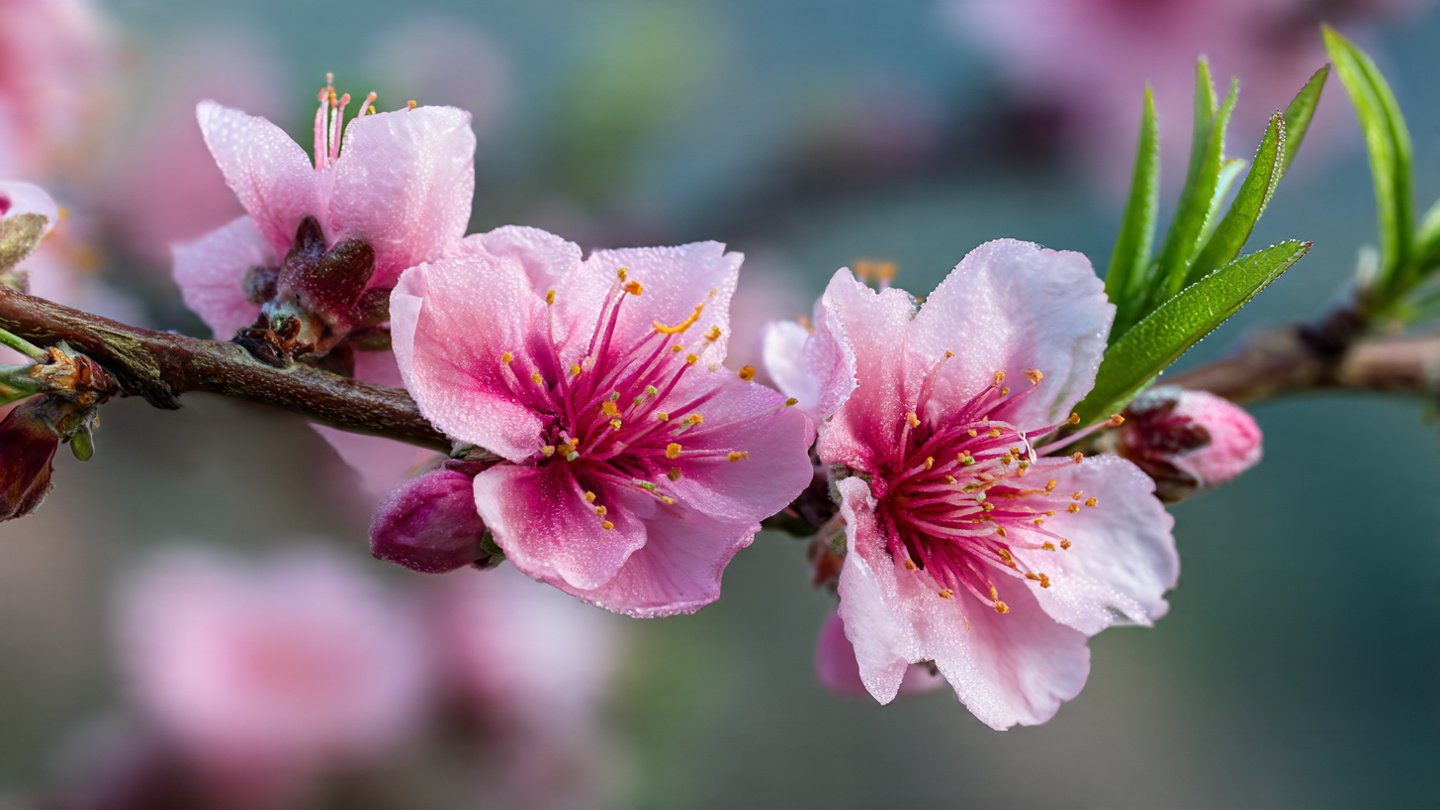
Late-season frosts can pose a serious threat to peach trees, particularly in regions with unpredictable spring weather. Unlike early-season frosts, which are often easier to anticipate and protect against, late frosts can occur after the trees have begun flowering, when buds and blossoms are most vulnerable. Damage at this stage can result in reduced fruit yield, poor fruit quality, and in severe cases, permanent injury to the tree. Fortunately, there are a variety of strategies that peach growers—both commercial and hobbyist—can employ to mitigate the risk of frost damage and protect their trees. This article explores the best approaches to safeguarding peach trees from late-season frost.
Understanding Late-Season Frost and Its Impact
Late-season frost occurs after the risk of early spring frost has passed, typically during the period when peach trees are in bloom or starting to develop fruit. Peach trees produce delicate flowers that are particularly sensitive to freezing temperatures. Even a light frost can damage blossoms, prevent pollination, or cause fruit drop. Severe frost can also injure new shoots and buds, which can weaken the tree over time.
Peach trees are especially susceptible because they bloom early in the spring. The timing of the frost relative to the stage of bloom plays a crucial role in the level of damage. For instance, fully open flowers are far more vulnerable than buds that have not yet opened. Understanding this timing is essential for implementing effective frost protection strategies.
Site Selection and Tree Placement
One of the first strategies for frost protection starts even before planting. Site selection can dramatically influence the vulnerability of peach trees to late-season frost. Avoid low-lying areas where cold air tends to settle, creating frost pockets. Instead, choose sites with good air drainage, such as gentle slopes or elevated terrain, which allow cold air to move away from the trees.
Sun exposure is another critical factor. Plant peach trees where they will receive full sun throughout the day, which helps warm the surrounding air and reduce frost risk. Additionally, consider proximity to structures or bodies of water. Structures like walls or buildings can provide a slight thermal mass, radiating heat during the night, while water bodies can moderate temperature swings, lowering the chance of frost.
Selecting Frost-Resistant Varieties
Choosing the right peach variety can make a significant difference in frost resilience. Some cultivars bloom later than others, reducing the likelihood of encountering a late frost. Selecting late-blooming varieties is a proactive approach to frost management. Varieties such as ‘Redhaven,’ ‘Elberta,’ and ‘O’Henry’ are known for their slightly later bloom times, offering an extra buffer against sudden frosts.
Local extension services or nurseries often provide guidance on cultivars that are best suited for your region’s climate. Matching the variety to your local frost pattern can be one of the simplest yet most effective preventive measures.
Pruning Practices for Frost Mitigation
Proper pruning can also reduce the risk of frost damage. Peach trees benefit from open-center or vase-shaped pruning, which allows better air circulation and sunlight penetration. Open branches minimize frost pockets within the canopy and enable warmer air to circulate around the blossoms.
However, pruning should be carefully timed. Pruning too late in the season can stimulate late growth, which is more susceptible to frost injury. Typically, major pruning is done during the dormant season, well before the risk of late frost. Light pruning in early spring should focus on removing damaged or crossing branches rather than promoting significant new growth.
Use of Frost Covers and Protective Materials
Physical barriers are among the most direct ways to protect peach trees from frost. Frost blankets, row covers, or even large sheets can provide insulation and trap heat around the blossoms. These materials should be placed over the trees before temperatures drop and secured to prevent them from being blown away by the wind.
For smaller trees or young orchards, individual tree covers like plastic cones or cloches can be effective. These structures create a microenvironment around the tree, protecting delicate buds from freezing temperatures. However, care must be taken to remove or ventilate these covers during the day to prevent overheating and humidity buildup, which can foster fungal diseases.
Irrigation and Heat Management
Water plays a surprisingly significant role in frost protection. Sprinkler irrigation can help prevent frost damage through a process known as “ice encasement.” When water is applied to the tree during freezing temperatures, it releases latent heat as it freezes, maintaining the plant tissue at or just above 32°F (0°C). This technique is particularly effective for commercial growers who have access to automated irrigation systems.
For smaller-scale growers, watering the soil thoroughly before a frost event can also help. Moist soil retains heat better than dry soil, slowly releasing it during the night and helping to raise the microclimate temperature around the tree. Combining irrigation with other protective measures, such as frost covers, can enhance overall effectiveness.
Wind Machines and Heaters
In larger orchards, wind machines and orchard heaters can provide significant protection against late frosts. Wind machines work by mixing the warmer air from above with the cold air near the ground, reducing the likelihood of frost settling on blossoms. Similarly, propane or oil heaters can raise the ambient temperature in the orchard during critical frost events.
While these methods are often used in commercial settings due to their cost and complexity, they are among the most reliable for minimizing frost damage when severe conditions are expected. Growers should monitor weather forecasts closely and be prepared to deploy these systems promptly.
Monitoring and Forecasting
Proactive monitoring is key to frost management. Keeping track of local weather forecasts, temperature trends, and microclimate conditions in your orchard can help you anticipate frost events. Simple tools such as thermometers, frost alarms, or even smartphone-connected weather stations can alert you when temperatures approach critical levels.
In addition to modern technology, observing local phenological signs—such as the bloom stage of nearby trees or local plants—can provide valuable insight. Early action is critical, as protective measures are most effective when applied before temperatures drop below freezing.
Mulching and Soil Management
Mulching around the base of peach trees offers indirect frost protection. Mulch helps insulate the soil, keeping roots warmer and stabilizing soil temperature fluctuations. Organic mulches, such as straw, wood chips, or shredded leaves, also improve soil health, moisture retention, and microbial activity, which supports overall tree resilience.
Avoid piling mulch directly against the trunk, as this can encourage pests and disease. Instead, create a ring around the base, extending out to the drip line. Healthy, well-maintained trees are naturally more capable of surviving minor frost events.
Post-Frost Care
Despite best efforts, frost events can still occur. Post-frost care is essential to help trees recover. Remove any visibly damaged flowers or shoots, as these can become entry points for disease. Fertilizing lightly after a frost can support new growth, but avoid heavy applications that might stimulate vulnerable shoots.
Pruning dead or frost-damaged branches later in the season can also help prevent disease and redirect energy to healthy growth. Observing your trees throughout the growing season will help you adjust strategies in subsequent years, building resilience against future frosts.
Integrated Strategies for Maximum Protection
The most effective frost management plans are integrated, combining multiple strategies. Site selection, cultivar choice, proper pruning, physical protection, irrigation, and monitoring all work together to reduce frost risk. Each orchard or backyard garden will have unique conditions, and adapting strategies to local climate, tree maturity, and available resources is critical.
By thinking proactively, rather than reacting after damage has occurred, growers can significantly improve their chances of protecting peach blossoms and ensuring a healthy, productive harvest.
Conclusion
Late-season frost is one of the most unpredictable and damaging threats to peach trees. Its impact can range from minor blossom loss to devastating reductions in fruit yield. However, with careful planning and a combination of strategies—including site selection, cultivar choice, pruning, physical protection, irrigation, and monitoring—peach growers can effectively reduce the risk of frost damage. Protecting trees from frost is not only about safeguarding this season’s crop but also about ensuring the long-term health and productivity of the orchard. Implementing these strategies can help peach trees thrive, even in regions prone to sudden late frosts, resulting in a successful harvest year after year.