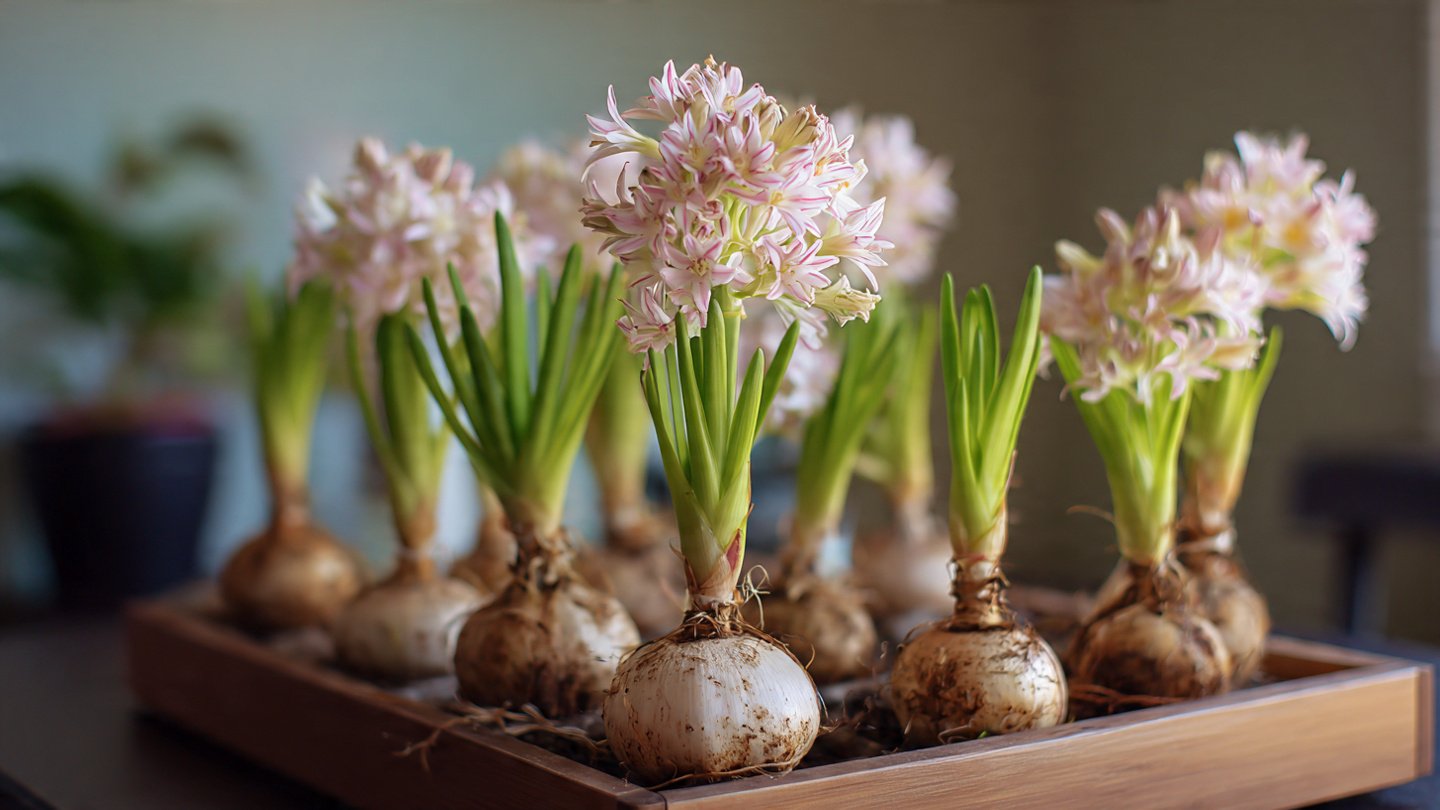
Tuberose (Polianthes tuberosa) is a fragrant, perennial bulbous plant known for its beautiful, creamy-white flowers and intoxicating aroma. Popular in gardens, bouquets, and even in perfumery, tuberose is not just admired for its beauty but also for its economic and ornamental value. Multiplying tuberose bulbs at home can be both rewarding and cost-effective, allowing gardeners to expand their collection, share bulbs with friends, or even sell them. However, doing it efficiently requires knowledge of proper techniques, timing, and care. This guide explores the best practices to successfully propagate tuberose bulbs at home.
Understanding Tuberose Bulbs
Before diving into multiplication techniques, it’s essential to understand the nature of tuberose bulbs. Unlike seeds, bulbs are underground storage organs that store nutrients necessary for the plant’s growth. A mature tuberose bulb can produce offsets, also known as daughter bulbs, which are miniature versions of the parent bulb. These offsets grow alongside the mother bulb and eventually mature into flowering bulbs. Understanding this natural process is the foundation of efficient multiplication.
Tuberose bulbs come in various types, including single-flowered and double-flowered varieties. Each type may have slightly different growth patterns, but the multiplication process generally remains the same. Healthy bulbs are firm, free of rot, and show no signs of disease, making them suitable candidates for propagation.
Choosing the Right Bulbs for Propagation
Selecting the right bulbs is the first step toward successful multiplication. Only mature, disease-free bulbs should be used. Mature bulbs are typically large and well-formed, with a firm texture and no soft spots. Avoid bulbs that are shriveled, damaged, or showing signs of fungal infection, as these will not multiply efficiently and may compromise the health of new plants.
Offsets, the small bulbs produced by the mother bulb, are ideal for propagation. They should be separated carefully when they reach an adequate size—usually around 1–2 cm in diameter. While it may be tempting to harvest every offset immediately, patience is key. Offsets that are too small will struggle to grow, while those that are too large may affect the mother bulb’s health.
Preparing the Soil for Bulb Multiplication
Tuberose bulbs thrive in well-draining soil rich in organic matter. Before planting, prepare the soil by mixing garden soil with compost or well-rotted manure. This improves fertility and soil structure, allowing bulbs to establish roots more easily. Adding sand or perlite can improve drainage, preventing waterlogging that can cause bulb rot.
Soil pH is another important factor. Tuberose prefers slightly acidic to neutral soil, with a pH range of 6.0 to 7.0. If necessary, adjust soil pH by adding lime to increase alkalinity or sulfur to increase acidity. Proper soil preparation ensures that newly planted bulbs have the nutrients and conditions they need for optimal growth.
Best Propagation Techniques
There are several methods to multiply tuberose bulbs, but the most efficient and widely used method at home is through offsets. Here’s a step-by-step guide:
1. Offsets Division
- Timing: The best time to separate offsets is after the flowering season, usually in late spring or early summer, when the mother bulb enters dormancy.
- Lifting Bulbs: Gently lift the mother bulb from the soil using a garden fork or spade. Avoid pulling, as this may damage the bulbs.
- Separating Offsets: Carefully separate the small bulbs attached to the mother bulb. Remove any dry, papery layers and discard damaged bulbs.
- Curing: Allow the offsets to air-dry in a shaded, ventilated area for a few days. This helps heal any cuts and reduces the risk of rot when planted.
- Planting: Plant offsets in prepared soil, spacing them about 6–8 inches apart. Planting depth should be about 2–3 inches, just enough to cover the bulb with soil. Water lightly after planting to settle the soil.
2. Scaling Method
Scaling is another effective technique for multiplying tuberose bulbs, though it requires more patience. In this method, the outer scales of the bulb are removed and placed in a moist medium such as sand or peat moss. Over time, these scales develop small bulblets that can be planted as independent bulbs. While this method produces more bulbs, it takes longer to yield flowering plants and is more suited for gardeners willing to experiment.
3. Tissue Culture (Advanced)
Tissue culture is a laboratory-based method used commercially to propagate large numbers of disease-free bulbs. While not practical for most home gardeners, understanding this method highlights the potential for high-efficiency multiplication. Tissue culture involves growing plant cells in a sterile environment, which then develop into full bulbs. For home growers, focusing on offsets division remains the most practical and efficient method.
Caring for Newly Planted Bulbs
Proper care after planting is critical for successful multiplication. Newly planted offsets require consistent moisture but should never sit in waterlogged soil. Light watering that keeps the soil slightly moist is ideal. Overwatering can lead to fungal diseases, while under-watering may cause the bulbs to dry out and fail to establish roots.
Sunlight is another key factor. Tuberose thrives in full sun, requiring at least 6–8 hours of direct sunlight daily. If grown in partial shade, growth and multiplication rates may slow. Fertilization can boost bulb growth; using a balanced, slow-release fertilizer during the growing season supports healthy foliage and offsets development.
Managing Pests and Diseases
Pests and diseases can significantly reduce multiplication efficiency. Common pests include aphids, mealybugs, and nematodes, which attack bulbs and leaves. Inspect bulbs before planting and apply insecticidal soap or neem oil if necessary.
Diseases such as bulb rot and leaf blight are caused by fungi and bacteria. Prevent these issues by ensuring good drainage, avoiding overhead watering, and removing infected bulbs or leaves promptly. Maintaining proper spacing between bulbs also reduces the spread of pathogens and allows for better airflow.
Timing and Patience
Multiplying tuberose bulbs is not a quick process. New offsets typically take one to two years to mature into flowering bulbs. Patience and proper care are essential. Overcrowding or harvesting offsets too early can reduce flowering potential and overall plant health. Documenting planting dates, bulb sizes, and growth patterns can help track progress and improve efficiency over time.
Seasonal Considerations
Understanding the seasonal cycle of tuberose helps maximize multiplication. Bulbs generally enter dormancy after the flowering season, which is the ideal time for lifting and dividing. In regions with cold winters, bulbs should be lifted and stored indoors in a cool, dry location to prevent frost damage. In warmer climates, bulbs can remain in the ground year-round but may still benefit from seasonal division to maintain vigor.
Benefits of Home Multiplication
Efficiently multiplying tuberose bulbs at home offers several benefits. Firstly, it is cost-effective, reducing the need to purchase new bulbs each season. Secondly, it allows gardeners to experiment with different planting arrangements, varieties, and hybridization. Finally, sharing bulbs with friends or selling them can create a small home-based business opportunity, making the practice both enjoyable and potentially profitable.
Conclusion
Multiplying tuberose bulbs at home is a rewarding activity that combines horticultural knowledge, patience, and attention to detail. By selecting healthy bulbs, preparing soil properly, using offsets or other propagation techniques, and providing consistent care, gardeners can efficiently expand their tuberose collection. Managing pests and diseases, understanding seasonal cycles, and exercising patience are equally important for success. With these best practices, anyone can enjoy the beauty and fragrance of home-grown tuberose while multiplying bulbs efficiently for future seasons.
By following these guidelines, home gardeners can ensure a steady supply of vibrant, fragrant tuberose flowers, making their gardens a haven of color and aroma while mastering the art of efficient bulb propagation.