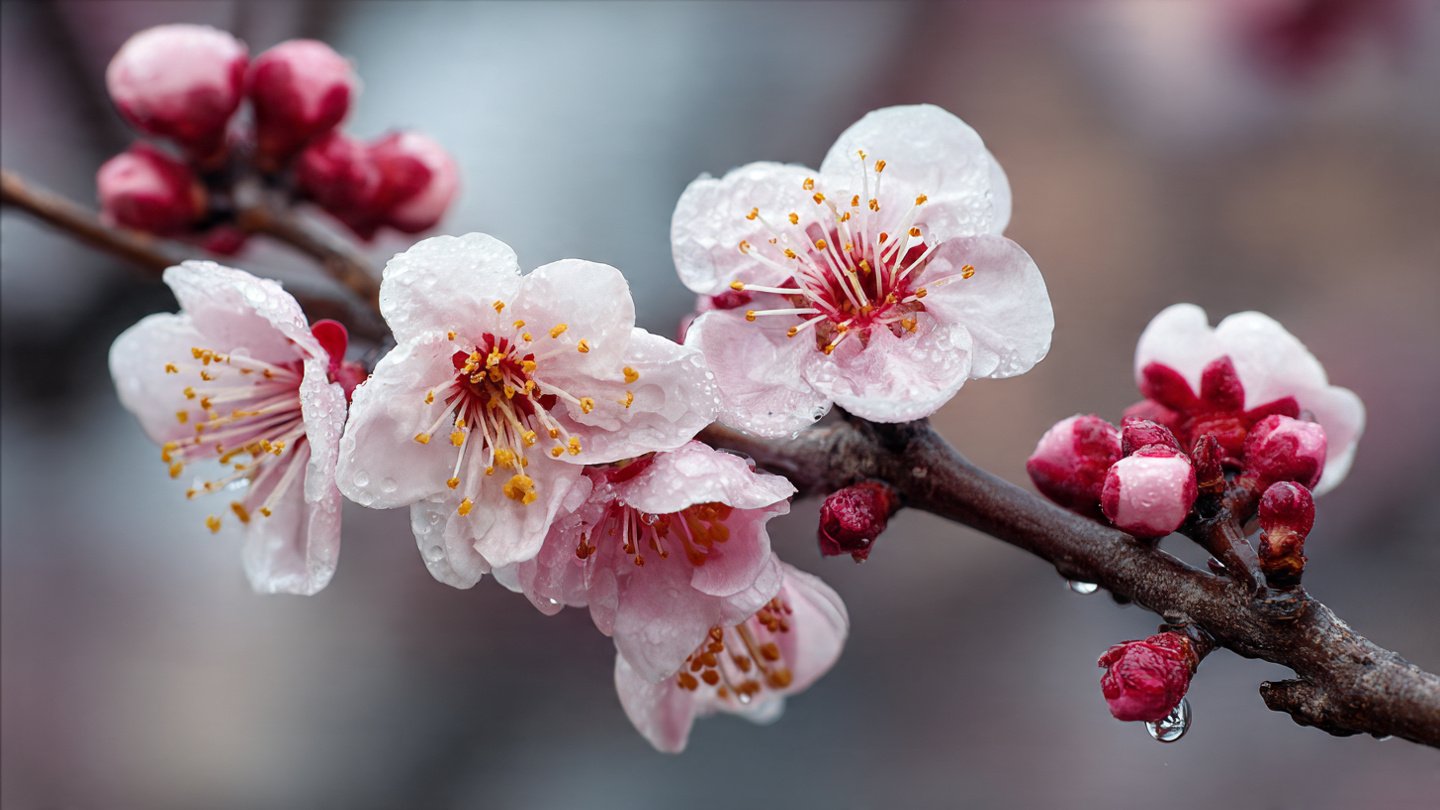
Apricot trees (Prunus armeniaca) are cherished for their delicate blossoms and sweet, juicy fruit. However, these beautiful early spring flowers are highly susceptible to cold weather, frost, and sudden temperature fluctuations. Even a single cold snap can damage blossoms, reducing fruit yield or even eliminating an entire season’s harvest. Protecting apricot blossoms from frost and freezing temperatures is essential for any grower, whether in a home garden or a commercial orchard. This guide explores the best methods to safeguard apricot blossoms against cold weather, combining cultural practices, physical protections, and modern technology.
Understanding Apricot Blossoms and Cold Sensitivity
Apricot trees bloom early in spring, often before other fruit trees. While this early blooming ensures a longer growing season for the fruit, it also exposes the blossoms to late frosts. The tender flowers are vulnerable when temperatures drop below 28°F (-2°C), and prolonged exposure to freezing temperatures can kill the blossoms entirely. Young or newly planted trees are even more sensitive, as their buds and shoots have not yet developed the hardiness of mature trees.
The critical period for frost protection is usually during full bloom or just before petal drop. Understanding your local climate patterns and recognizing the stages of blossom development is the first step in planning effective protection.
Site Selection and Microclimate Considerations
Choosing the right location for apricot trees can naturally reduce the risk of frost damage. Consider these factors:
- Elevation and slope: Planting apricot trees on a slight slope allows cold air to drain away from the blossoms, reducing frost accumulation. Low-lying areas are more prone to frost pockets.
- Sun exposure: A south-facing slope receives more sunlight, warming the soil and surrounding air, which can help protect blossoms during chilly nights.
- Wind protection: Cold winds exacerbate frost damage. Planting apricot trees near hedges, fences, or windbreaks can help shield blossoms from harsh conditions.
Even with the ideal site, frost events can still occur, so additional protective measures are necessary in most regions.
Timing Pruning to Minimize Frost Risk
Pruning apricot trees is essential for healthy growth and fruit production, but timing plays a critical role in frost protection. Late pruning can stimulate early bud break, increasing the risk of frost damage. Consider these guidelines:
- Prune in late winter: Pruning during dormancy, before buds begin to swell, reduces the chance of premature blooming.
- Avoid heavy pruning in late winter or early spring: This can promote early flowering and leave blossoms exposed to cold snaps.
- Shape for airflow: Properly pruned trees allow air circulation, which can reduce frost settling in blossom clusters.
Pruning strategies that balance growth and frost protection help optimize blossom survival and fruit yield.
Mulching to Retain Soil Heat
Mulching around the base of apricot trees provides insulation and retains soil warmth, which indirectly protects blossoms. Consider these tips:
- Use organic mulch: Straw, wood chips, or shredded bark work well. Apply a 3–4 inch layer around the root zone.
- Maintain soil contact: Keep mulch slightly away from the trunk to prevent rot, but ensure it covers the soil surface to conserve heat.
- Timing: Apply mulch in late fall or early winter before frost events to maximize soil insulation.
Mulching helps stabilize root temperatures and can reduce overall tree stress during sudden cold spells.
Physical Protection Methods
Physical methods are some of the most effective ways to shield apricot blossoms from frost. These techniques involve directly covering or heating the trees to prevent freezing damage.
1. Frost Cloths and Covers
Frost cloths, row covers, or lightweight blankets provide an effective barrier against cold air. Tips for use:
- Cover trees in the late afternoon or evening before frost is expected.
- Extend covers to the ground and secure them with weights, rocks, or stakes to trap warm air near the blossoms.
- Remove covers in the morning once temperatures rise to avoid overheating or moisture accumulation.
Plastic sheeting is sometimes used, but it can trap moisture and cause frost damage if in direct contact with blossoms. Lightweight fabric covers are preferred.
2. Protective Structures
Small temporary structures, such as hoop houses, cloches, or cold frames, can safeguard apricot blossoms. These structures trap heat from the soil and provide a windbreak, creating a microclimate that reduces frost risk. Key considerations:
- Ensure proper ventilation during daytime to prevent overheating.
- Transparent or semi-transparent materials allow sunlight penetration, warming the soil.
- Secure structures to prevent wind damage during storms.
These methods are particularly useful for young trees or small orchards.
3. Watering Techniques
Water can act as a thermal buffer due to its heat-retention properties. Two main watering strategies protect blossoms:
- Overhead irrigation: Spraying water over blossoms before a frost event can prevent temperatures from dropping below 32°F (0°C). As water freezes, it releases latent heat, keeping blossoms slightly warmer than the ambient air.
- Soil warming: Watering the soil during the day can absorb heat, which is released at night, slightly increasing the temperature around the base of the tree.
Overhead irrigation requires careful management, as excessive ice formation can break branches if not controlled.
4. Heaters and Wind Machines
Commercial orchards often use heaters, smudge pots, or wind machines to combat frost. These methods are more suitable for larger plantings:
- Heaters: Small orchard heaters or portable propane heaters raise the air temperature near blossoms. Place heaters strategically to avoid fire hazards.
- Wind machines: By circulating warmer air from above, wind machines prevent cold air from settling in low areas. They are effective in regions prone to frost pockets.
For home gardeners, small electric or propane heaters can be used safely with precautions.
Choosing Cold-Tolerant Varieties
Planting apricot varieties that bloom later or are more frost-tolerant reduces the risk of blossom damage. Late-blooming cultivars avoid early spring frost, while hardier varieties can survive brief cold snaps with minimal damage. Consult local nurseries or extension services to select the best cultivars for your region.
Monitoring Weather and Timing Protection
Successful frost protection requires vigilance. Monitoring weather forecasts and night-time temperatures allows timely implementation of protective measures. Consider:
- Using frost alarms or temperature sensors: These devices alert gardeners when temperatures approach critical thresholds for blossom damage.
- Acting before frost: Cover or irrigate trees before temperatures reach dangerous levels, not after frost has begun.
- Maintaining flexibility: Protection methods should be adjusted based on severity, duration, and timing of cold events.
Proactive measures ensure that protective efforts are effective and minimize unnecessary labor.
Post-Frost Care
Even with precautions, some frost damage may occur. Proper post-frost care helps trees recover:
- Inspect blossoms and branches: Remove damaged or blackened flowers to prevent fungal infections.
- Avoid heavy pruning immediately after frost: Allow the tree to recover before cutting branches.
- Fertilize cautiously: Light feeding supports recovery but avoid over-fertilization, which can stress the tree.
- Continue monitoring: Subsequent frosts can still affect new growth, so maintain vigilance throughout the bloom period.
Recovery management is as important as prevention to maximize fruit production.
Conclusion
Protecting apricot blossoms from cold weather is critical for a successful harvest. Combining thoughtful site selection, careful pruning, mulching, physical protection, and proactive monitoring creates a comprehensive defense against frost and freezing temperatures. From frost cloths and temporary structures to irrigation and wind machines, these methods help ensure that delicate apricot flowers survive early spring cold snaps. Additionally, selecting frost-tolerant varieties and providing attentive post-frost care support blossom survival and tree health. With careful planning and consistent effort, gardeners and orchardists can enjoy abundant apricot blossoms and a fruitful harvest, even in regions with unpredictable spring weather.