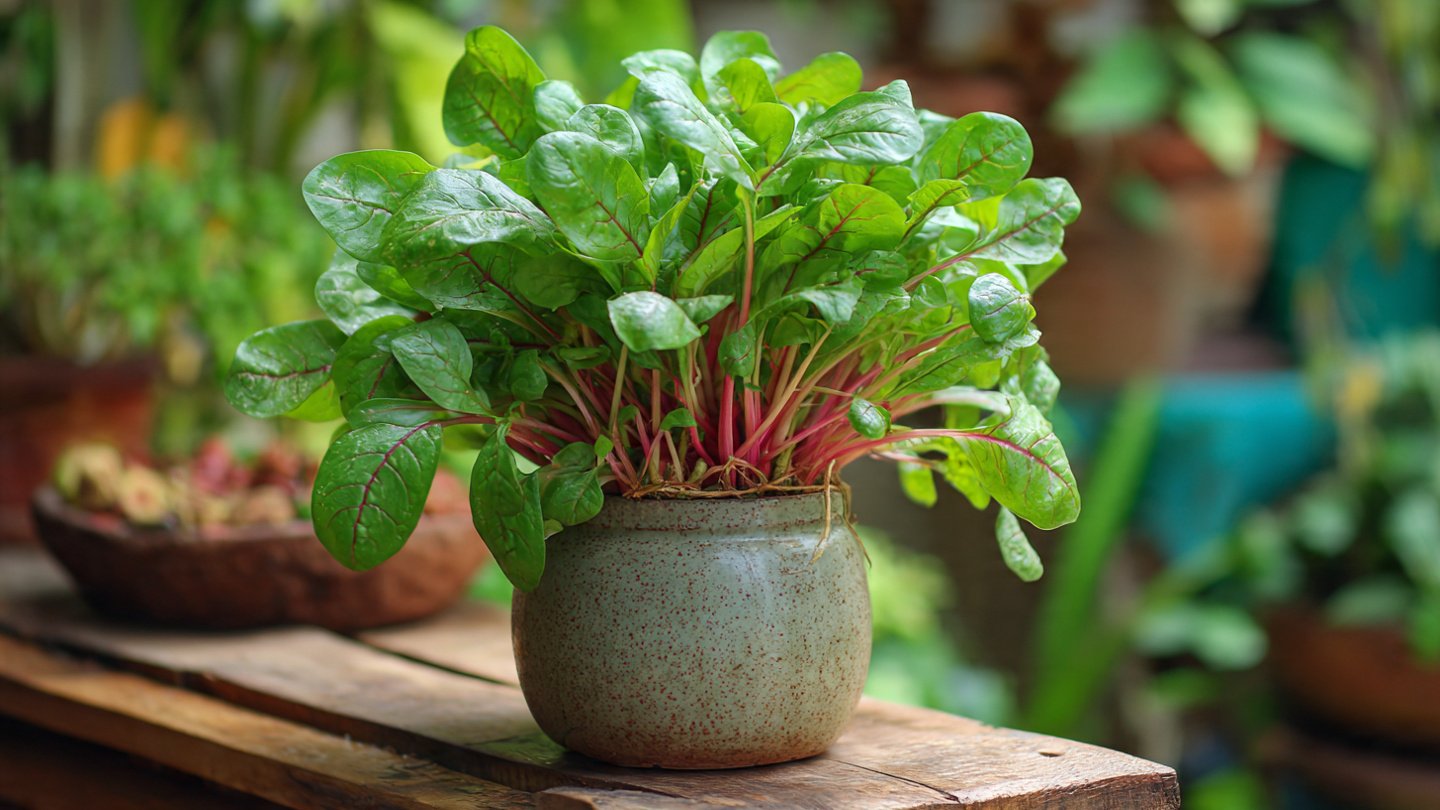
If you love growing leafy greens at home but are tired of the same old spinach varieties that struggle in the heat, Malabar spinach might just become your new favorite plant. Known for its thick, glossy leaves and climbing vine structure, Malabar spinach is not true spinach, yet it tastes delicious and grows abundantly — especially in warm climates like ours in Maharashtra.
Most home gardeners grow Malabar spinach in the traditional way: in soil-filled pots or directly in the ground with a trellis for support. But what if you could grow it differently — in a way that saves space, improves airflow, reduces pests, and actually increases your harvest?
Let’s explore another smart and easy way to grow Malabar spinach at home using a vertical bottle-growing method that works beautifully for balconies, terraces, and even small window spaces.
Why Try a Different Growing Method?
Malabar spinach (Basella alba) is a fast-growing vine that thrives in warm, humid weather. However, when grown in traditional pots:
- It spreads horizontally and occupies more space
- Leaves may rot due to poor airflow
- Soil pests can damage roots
- Water drainage sometimes becomes uneven
- Harvesting becomes messy and inconvenient
For those living in apartments or compact homes — which is quite common in places like Virar — managing space becomes essential. That’s where vertical growing comes in.
The Vertical Bottle Method: A Space-Saving Alternative
Instead of planting Malabar spinach in wide pots, you can grow it vertically using recycled plastic bottles. This technique allows the plant to climb upward naturally while making the most of limited space.
What You’ll Need:
- 2-liter plastic bottles
- A sharp cutter or scissors
- Potting soil or cocopeat mix
- Kitchen compost or vermicompost
- Malabar spinach seeds or stem cuttings
- Strong rope or wire
- A sunny wall or railing
Step-by-Step Growing Guide
1. Prepare the Bottles
Cut a rectangular opening on the side of each plastic bottle. Make small holes at the bottom for drainage. You can also create two holes on opposite sides near the top to insert rope for hanging.
Make sure the edges are smooth to avoid injury while handling.
2. Fill with Growing Medium
Use a lightweight but nutrient-rich mixture such as:
- 40% garden soil
- 30% cocopeat
- 30% compost
This mix ensures good drainage and root aeration, which is important during humid coastal weather.
3. Plant the Seeds or Cuttings
Malabar spinach grows exceptionally well from stem cuttings. Just take a 5–6 inch cutting from a healthy vine and plant it directly into the soil. Within a week or two, roots will begin to develop.
If using seeds, soak them overnight before sowing to improve germination.
4. Hang or Stack the Bottles
Tie the bottles vertically along a wall, balcony grill, or terrace railing using rope. Maintain enough spacing between each bottle so the leaves get sunlight and airflow.
As the vine grows, gently guide it upward along the rope or nearby support.
Watering and Sunlight Needs
Malabar spinach loves sunlight but does not enjoy waterlogged soil.
- Water once daily in summer
- Water every alternate day during monsoon
- Place the setup where it receives 4–6 hours of sunlight
Avoid overwatering, as it may cause fungal issues in enclosed balcony setups.
Natural Fertilizing Tips
Every 10–15 days, feed the plants with:
- Diluted buttermilk solution
- Banana peel fertilizer
- Vermicompost tea
- Rice water (cooled)
These natural boosters enhance leaf growth without relying on chemicals.
Harvesting the Right Way
You can begin harvesting within 30–40 days after planting. Snip the tender leaves and soft stems regularly to encourage bushier growth.
Avoid cutting the main vine too early. Instead, trim the side shoots to promote vertical expansion and longer harvest cycles.
Advantages of the Vertical Bottle Method
- Saves floor space
- Improves airflow
- Reduces pest attacks
- Uses recycled materials
- Makes harvesting easier
- Adds greenery to your walls
- Ideal for balconies and terraces
This method is especially useful if you’re trying to grow food in limited urban spaces without compromising on yield.
Final Thoughts
Growing Malabar spinach at home doesn’t have to follow the usual route. With a little creativity and a few recycled bottles, you can transform your balcony into a lush vertical garden that produces fresh greens throughout the season.
Whether you are new to gardening or already growing herbs and vegetables, this alternative method is worth trying — particularly in warm regions where Malabar spinach thrives effortlessly.
So the next time you finish a soft drink bottle, don’t throw it away. Turn it into a mini garden and let your Malabar spinach climb its way to a healthy harvest 🌿