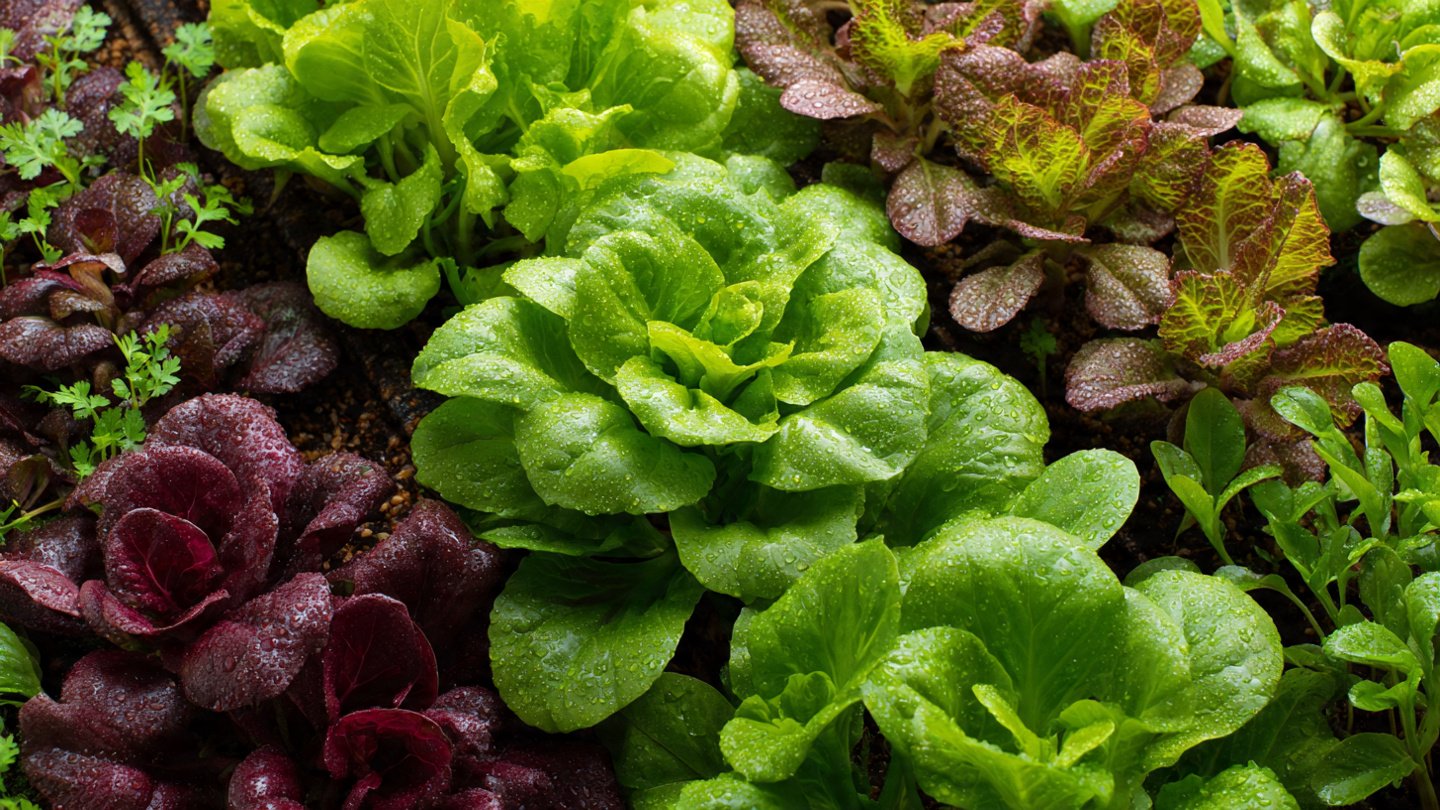
Growing your own salad mix greens at home is a rewarding and practical way to ensure fresh, nutrient-rich vegetables are always on hand. Whether you are a beginner gardener or an experienced grower, cultivating a variety of salad greens offers unmatched flavor, control over ingredients, and the satisfaction of harvesting your own food. Salad mix greens typically include lettuces, arugula, spinach, mustard greens, and other tender leafy vegetables that can be grown together for a vibrant, flavorful mix. With the right planning, soil preparation, and care, anyone can grow lush greens in containers, raised beds, or garden plots year-round.
Choosing the Right Salad Mix Greens
Selecting the varieties of greens is the first step in successful cultivation. Consider your taste preferences, growth habits, and the climate you are working in. Lettuce varieties such as romaine, butterhead, and leaf lettuce grow quickly and offer a range of textures. Arugula and mustard greens provide a peppery flavor, while spinach contributes tender, mild leaves.
Mixing fast-growing greens with slightly slower varieties ensures continuous harvesting. For example, arugula and baby leaf lettuce mature in as little as three to four weeks, while spinach or kale may take six to eight weeks. Planning your mix based on harvest times helps maintain a constant supply of fresh leaves.
Selecting the Growing Location
Salad mix greens thrive in cool to moderate temperatures and require at least four to six hours of sunlight daily. A sunny windowsill, balcony, raised bed, or garden plot with morning sun is ideal. In hotter climates, partial shade during the afternoon helps prevent bolting, where plants flower and become bitter.
For indoor gardening, choose containers near bright, indirect sunlight or supplement with grow lights. Consistent light ensures vigorous growth and vibrant color in the leaves. Poor light can result in leggy plants and reduced leaf quality.
Preparing the Soil
Healthy soil is the foundation of lush salad greens. Most leafy greens prefer loose, well-draining soil rich in organic matter. Begin by loosening garden soil or filling containers with a high-quality potting mix. Incorporate compost or well-rotted manure to improve nutrient content and soil structure.
A slightly acidic to neutral pH, between 6.0 and 7.0, is ideal for salad greens. Testing your soil can help identify any nutrient deficiencies or pH imbalances. Adding organic amendments such as leaf mold, worm castings, or peat moss promotes moisture retention and supports root development. Well-prepared soil encourages rapid growth, tender leaves, and a high yield.
Choosing Containers or Beds
Salad greens are versatile and can grow in containers, raised beds, or directly in the garden. Containers should be at least six inches deep to accommodate root development. Use wide, shallow containers for dense planting, allowing you to harvest a variety of greens simultaneously.
Raised beds provide improved drainage, easier soil management, and better airflow, which reduces the risk of disease. In-ground planting is also effective when soil is well-prepared and amended with organic matter. Proper container or bed selection ensures healthy root systems and uniform growth.
Sowing Seeds
Salad mix greens can be grown from seeds or transplants, but seeds offer flexibility and cost-effectiveness. Direct sow seeds into prepared soil or containers, scattering them evenly for a dense mix. For baby greens, sow seeds more closely together; for mature leaves, space seeds according to the recommended distance on the seed packet.
Cover seeds lightly with soil or press them gently to ensure good soil contact. Water carefully to avoid displacing seeds. Labeling your planting area helps track different varieties and harvest schedules. Succession planting every two weeks guarantees a continuous supply of fresh leaves throughout the season.
Watering and Moisture Management
Consistent moisture is critical for leafy greens. Water regularly to keep the soil evenly moist but not waterlogged. Overwatering can lead to root rot, while underwatering causes stress, bitterness, and stunted growth.
Drip irrigation, soaker hoses, or gentle watering with a watering can prevent soil compaction and reduce leaf damage. Mulching with straw, compost, or leaves helps retain moisture, moderates soil temperature, and reduces weed growth. Maintaining proper moisture supports tender, lush leaves and encourages rapid growth.
Fertilization for Lush Growth
Leafy greens are nutrient-hungry, particularly for nitrogen, which promotes foliage production. Use a balanced organic fertilizer or compost tea to feed your plants every two to three weeks. Avoid excessive fertilizer, as this can lead to overly rapid growth that reduces flavor and can weaken the plants.
For container gardening, slow-release fertilizers embedded in the soil help maintain consistent nutrient levels. Healthy, well-fed plants develop deep green leaves, maintain flavor, and resist pests and diseases.
Thinning and Spacing
Proper spacing and thinning prevent overcrowding, which improves airflow, reduces disease risk, and encourages uniform leaf growth. Once seedlings develop two to three sets of true leaves, thin them by snipping the weaker plants at soil level, leaving the strongest specimens.
For loose-leaf varieties, plants can remain closer together, while romaine and butterhead lettuce require more space to allow heads to form. Thinning also provides an opportunity to use tender young leaves in salads, reducing waste and supporting early harvests.
Pest and Disease Management
Salad greens are susceptible to pests such as aphids, slugs, caterpillars, and leaf miners. Regular inspection allows early detection and treatment. Organic pest control methods, including neem oil, insecticidal soap, diatomaceous earth, or handpicking, are effective and safe for edible plants.
Fungal diseases such as downy mildew or powdery mildew can occur in dense or overly wet plantings. Ensuring adequate spacing, good air circulation, and proper watering at the soil level reduces disease risk. Healthy plants are more resilient and produce abundant, high-quality leaves.
Harvesting Techniques
Salad greens can be harvested as baby leaves or mature greens depending on your preference. For a continuous harvest, use the “cut-and-come-again” method. Snip outer leaves while leaving the inner growth intact. This allows plants to regenerate new leaves and extends the harvesting period.
Harvest early in the morning for maximum crispness and flavor. Frequent harvesting encourages plants to produce more foliage, keeping your salad mix vibrant and abundant.
Seasonal Considerations
Salad greens grow best in cool weather, typically between sixty and seventy-five degrees Fahrenheit. In hot summer months, some varieties may bolt and develop bitter leaves. Planting in early spring or late summer and providing partial shade during the hottest part of the day prolongs growth and flavor.
For year-round production, consider indoor growing under grow lights or using cold frames and greenhouses. Temperature management ensures continuous growth, allowing for fresh greens regardless of outdoor conditions.
Combining Varieties for Optimal Mix
Creating a salad mix with diverse flavors, colors, and textures enhances both taste and visual appeal. Mix sweet, tender lettuces with peppery arugula, mild spinach, and crisp mustard greens. Succession planting of different varieties ensures a steady supply of greens that mature at different rates.
Layering colors, from deep green spinach to red-tinted leaf lettuce, adds vibrancy to your harvest. Combining textures, such as frilly leaves and smooth, tender blades, enhances both the flavor and the appeal of salads made from your garden.
Maintaining Soil Health
Even when growing greens continuously, soil health must be preserved. Rotate crops or use interplanting strategies to reduce nutrient depletion and disease buildup. Incorporate fresh compost or organic matter between plantings to replenish nutrients and improve soil structure.
Monitoring soil pH ensures plants continue to absorb nutrients efficiently. Healthy soil leads to vigorous growth, tender leaves, and a higher yield over time.
Conclusion
Growing lush salad mix greens at home is a practical and rewarding endeavor that offers fresh, flavorful leaves year-round. By carefully selecting varieties, preparing nutrient-rich soil, and providing consistent light, water, and care, gardeners can cultivate vibrant, healthy greens. Proper spacing, thinning, pest management, and harvesting techniques ensure a continuous supply of salad ingredients while maintaining plant health.
With attention to seasonal considerations, soil maintenance, and succession planting, it is possible to grow a diverse and abundant mix of greens in containers, raised beds, or garden plots. Homegrown salad mixes provide unmatched freshness, superior flavor, and the satisfaction of harvesting food you cultivated yourself. With patience and consistent care, anyone can enjoy a steady supply of lush, nutritious greens straight from their own garden.