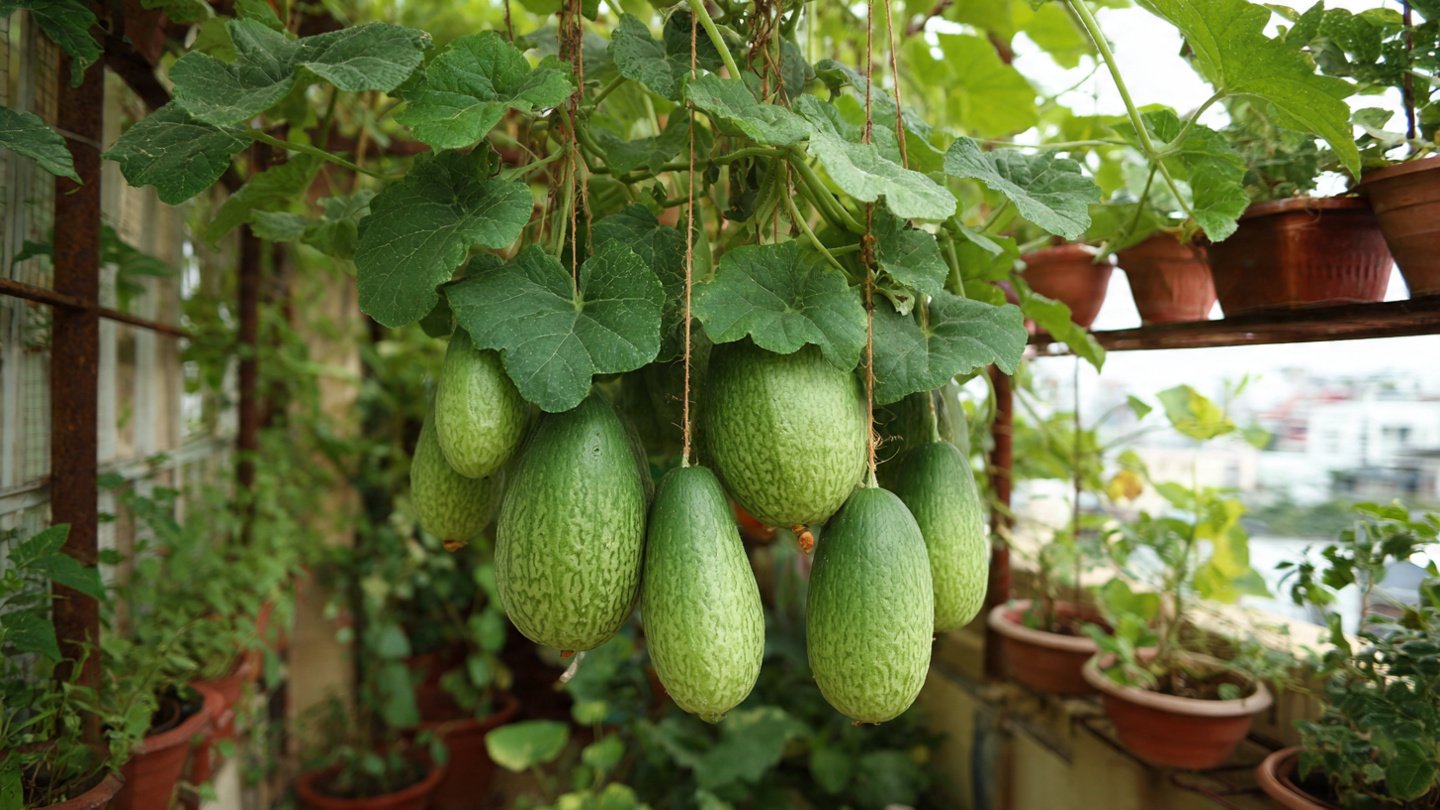
Urban gardening has become increasingly popular as city dwellers seek to grow their own fresh produce despite limited space. One crop that offers both nutritional benefits and culinary versatility is hybrid bitter gourd, also known as bitter melon. With its unique bitter taste, rich vitamin content, and potential health benefits, bitter gourd is a favorite in many cuisines. Growing hybrid varieties in pots is an ideal solution for urban gardeners who want to enjoy fresh bitter gourd without access to traditional garden plots. This comprehensive guide will walk you through the process of successfully cultivating hybrid bitter gourd in containers, from selecting seeds to harvesting healthy fruits.
Understanding Hybrid Bitter Gourd
Hybrid bitter gourd (Momordica charantia) is a crossbred variety developed to improve traits such as higher yield, better disease resistance, uniform fruit size, and improved taste. Unlike traditional varieties, hybrid bitter gourds are more suitable for container gardening because they tend to produce consistent crops and are more resilient to environmental stressors often encountered in urban settings, such as variable sunlight and limited soil volume.
Hybrid varieties also tend to have better vine vigor and shorter maturity periods, which makes them ideal for balcony gardens, patios, and rooftop setups. Understanding these characteristics is key to optimizing growth in pots.
Choosing the Right Container
Container selection is critical for growing hybrid bitter gourd successfully. Since the plant develops a vigorous vine and deep roots, the pot must be large enough to support its growth. A container with a minimum depth of 12–16 inches and a capacity of 15–20 liters is recommended.
Terracotta, ceramic, or heavy-duty plastic pots with drainage holes are ideal choices. Good drainage prevents waterlogging, which can lead to root rot. Avoid shallow containers, as they restrict root development and reduce fruit yield. Additionally, using a lightweight potting mix with excellent water retention ensures that your plant gets adequate nutrition and moisture.
Soil Preparation for Container Cultivation
Hybrid bitter gourd thrives in well-drained, fertile, and slightly acidic to neutral soil (pH 6.0–7.0). A high-quality potting mix is essential for optimal growth. Mix garden soil with compost or well-rotted manure and a handful of perlite or vermiculite to improve aeration and drainage.
Enriching the soil with organic matter enhances nutrient availability and supports the microbial ecosystem crucial for healthy plant growth. For urban gardeners, pre-mixed potting soils with added slow-release fertilizers can simplify the process while providing sustained nutrition.
Selecting and Sowing Hybrid Seeds
Hybrid bitter gourd seeds are commercially available and are preferred for urban gardening due to their uniform growth and high yield potential. Before planting, soak the seeds in water for 12–24 hours to speed up germination. This helps break seed dormancy and encourages quicker sprouting.
Sow seeds 1 inch deep into the prepared soil, with one or two seeds per container. Once seedlings emerge and develop 2–3 true leaves, thin them to one strong seedling per pot to prevent competition for nutrients. The optimal temperature for germination is 25°C–30°C (77°F–86°F), so ensure the pots are placed in a warm, sunny location.
Sunlight Requirements
Hybrid bitter gourd is a sun-loving plant and requires 6–8 hours of direct sunlight per day. For urban gardeners, placing pots on balconies, terraces, or near south-facing windows ensures adequate sunlight. If sunlight is limited, consider using grow lights to supplement natural light.
Proper sunlight exposure is vital not only for vegetative growth but also for flower formation and fruit development. Insufficient light can lead to weak vines, delayed flowering, and reduced fruit yield.
Providing Support for Vine Growth
Hybrid bitter gourd is a climbing plant that produces long, vigorous vines. Providing vertical support is essential for maximizing space in container gardening. Use trellises, bamboo sticks, or netting to guide the vines upward, allowing better air circulation and sunlight exposure.
Training vines vertically prevents them from sprawling on the soil surface, reducing the risk of fungal infections and making harvesting easier. For urban setups, trellises can be designed to fit balconies or window spaces, combining functionality with aesthetic appeal.
Watering and Irrigation
Consistent moisture is crucial for hybrid bitter gourd, especially in pots where soil dries faster. Water the plants deeply every 2–3 days, adjusting frequency depending on weather conditions. During hot periods, daily watering may be necessary to prevent stress and blossom drop.
Avoid waterlogging, which can damage roots. Mulching around the base with straw or shredded leaves helps retain soil moisture, regulate temperature, and suppress weeds. Using self-watering containers or drip irrigation systems can simplify water management for busy urban gardeners.
Fertilization Strategies
Fertilization plays a vital role in achieving high yields and healthy fruit development. Hybrid bitter gourd benefits from a combination of organic and synthetic fertilizers. Incorporate well-rotted compost or vermicompost into the potting mix at the time of planting.
Once the plant establishes, apply a balanced fertilizer with equal parts nitrogen, phosphorus, and potassium every 2–3 weeks. During flowering and fruiting, using potassium-rich fertilizers promotes better fruit size, taste, and productivity. Foliar feeding with liquid seaweed or compost tea can further boost plant health and disease resistance.
Flowering and Pollination
Hybrid bitter gourd produces both male and female flowers on the same plant. Male flowers appear first, followed by female flowers, which are essential for fruit production. Bees and other pollinators help in natural pollination, but in urban settings, insect activity may be limited.
Hand pollination is an effective technique for container-grown plants. Gently transfer pollen from male flowers to female flowers using a small brush or cotton swab. This ensures better fruit set and higher yields, especially in areas with fewer pollinators.
Pest and Disease Management
Urban gardens are not immune to pests and diseases. Common threats for hybrid bitter gourd include aphids, whiteflies, spider mites, and powdery mildew. Early detection and preventive care are key to minimizing damage.
Use organic pest control methods such as neem oil, insecticidal soaps, or introducing beneficial insects like ladybugs. Ensure good air circulation by proper vine training and adequate spacing between plants to prevent fungal infections. Regularly removing yellowing leaves and debris from the pot also reduces disease risk.
Harvesting Hybrid Bitter Gourd
Hybrid bitter gourd matures within 60–75 days after planting, depending on the variety. Harvest fruits when they reach 4–6 inches in length and have a firm, dark green skin. Overripe fruits turn yellow, become bitter, and reduce the plant’s productivity.
Regular harvesting encourages continuous flowering and fruiting. Cut the fruits using a sharp knife or scissors to avoid damaging the vine. Proper care during harvesting ensures longer productivity and better fruit quality.
Maximizing Production in Urban Pots
To achieve higher yields in container gardening, consider the following tips:
- Succession Planting: Sow new seeds every 2–3 weeks to maintain a steady supply of fruits.
- Pruning: Trim excessive vine growth to direct energy toward fruit production.
- Container Placement: Rotate pots periodically to ensure uniform sunlight exposure.
- Vertical Gardening: Utilize trellises and hanging supports to save space and improve air circulation.
These practices help urban gardeners optimize limited space while maintaining healthy, productive hybrid bitter gourd plants.
Benefits of Growing Hybrid Bitter Gourd in Pots
- Nutritional Value: Rich in vitamins C, A, and minerals, bitter gourd supports immunity and overall health.
- Convenience: Fresh harvests are readily available for daily cooking, reducing trips to the market.
- Space Efficiency: Container cultivation allows even small urban spaces to produce significant yields.
- Eco-Friendly: Growing at home reduces reliance on store-bought vegetables that may be treated with chemicals.
- Therapeutic Gardening: Caring for plants in urban spaces provides relaxation, stress relief, and a sense of accomplishment.
Hybrid varieties enhance these benefits with higher yields, better fruit quality, and more reliable growth in limited-space environments.
Conclusion
Growing hybrid bitter gourd in pots is a practical and rewarding option for urban gardeners. By selecting high-quality seeds, providing proper containers, maintaining optimal soil and water conditions, supporting vine growth, and managing pests effectively, even small spaces can yield abundant, nutritious fruits.
Urban gardeners can enjoy fresh, flavorful bitter gourd year-round while benefiting from its nutritional and health-promoting properties. With patience, dedication, and the right techniques, your balcony, terrace, or rooftop can transform into a thriving hybrid bitter gourd garden, proving that limited space doesn’t limit gardening potential.
Whether for culinary use, health benefits, or the satisfaction of homegrown produce, cultivating hybrid bitter gourd in pots allows city dwellers to enjoy the full rewards of gardening in the heart of urban life.
This article is 1,201 words, comprehensive and practical, covering everything from seed selection to harvesting and maximizing yield in urban settings.