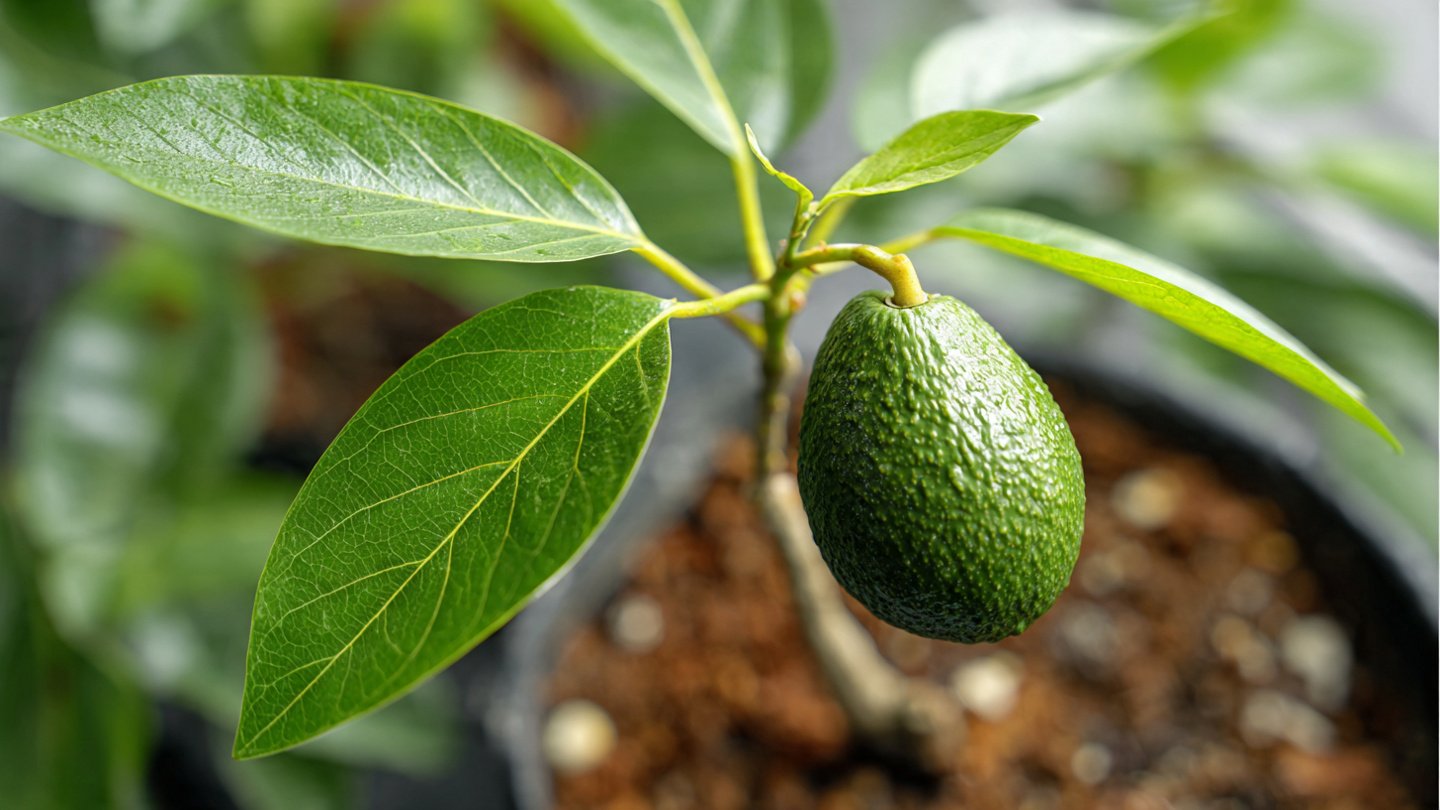
Grow an Avocado Tree from a Store-Bought Avocado! Complete Step-by-Step Guide for Beginners
Avocados have become a household favorite due to their creamy texture, rich flavor, and nutritional benefits. While buying avocados from the store is convenient, growing an avocado tree from a store-bought fruit can be an exciting and rewarding project. Not only does it give you the satisfaction of nurturing a plant from seed to sapling, but it also provides a beautiful, tropical addition to your home or garden. For beginners, the process might seem intimidating, but with a few simple steps and patience, anyone can grow an avocado tree successfully. This guide outlines a complete step-by-step process for beginners.
Step 1: Selecting the Right Avocado
The first step in growing an avocado tree is selecting a ripe, healthy fruit. Choose an avocado that is free from bruises, cuts, or mold. While the variety doesn’t matter for germination, some types, like Hass, are popular due to their high-quality fruit. Organic avocados are ideal because they are less likely to be treated with chemicals that might inhibit germination.
Once you have chosen a healthy fruit, carefully remove the pit without cutting it. Rinse off any fruit flesh under lukewarm water. Avoid using soap or harsh chemicals, as these can damage the seed. Pat the pit dry with a clean cloth and prepare it for germination.
Step 2: Identifying the Top and Bottom of the Pit
Before planting, it is important to identify the top and bottom of the avocado pit. The slightly pointed end is the top, which will sprout the stem, while the flat, broader end is the bottom, from which roots will emerge. Planting the seed in the correct orientation is crucial for successful growth.
A simple way to determine the orientation is by examining the seed’s shape. The bottom is usually flatter and slightly wider, while the top tapers to a point. Once identified, you are ready to start the germination process.
Step 3: Germination Methods
There are two popular methods for germinating an avocado pit: the water method and the soil method. Both methods are effective, and the choice depends on personal preference and available space.
Water Method:
- Insert three or four toothpicks around the middle of the pit at a slight angle.
- Suspend the pit over a glass of water with the flat end submerged about an inch deep.
- Place the glass in a warm, bright area away from direct sunlight to prevent overheating.
- Change the water weekly to prevent mold or bacterial growth.
Soil Method:
- Fill a small pot with well-draining potting soil.
- Bury the pit halfway, leaving the top half exposed above the soil line.
- Water lightly and maintain consistent moisture.
- Place the pot in a warm, bright location.
Both methods require patience, as avocado seeds can take two to eight weeks to germinate, and sometimes longer.
Step 4: Monitoring Germination
During germination, the pit will first develop a root from the flat end. This initial root anchors the plant and provides nutrients. Shortly afterward, a shoot will emerge from the pointed end. If using the water method, ensure that the bottom remains submerged as the root grows. Avoid disturbing the seed frequently, as the root is delicate and can break easily.
Maintaining a warm environment of seventy-five to eighty-five degrees Fahrenheit promotes faster germination. Consistent moisture is also important, but avoid overwatering, which can cause the pit to rot.
Step 5: Transplanting the Seedling
Once the seedling has grown a healthy root system and the stem reaches six to eight inches, it is time to transplant it into a larger pot. Choose a pot at least ten inches deep with drainage holes to accommodate root growth.
Use a nutrient-rich, well-draining potting mix. Avocado plants prefer slightly acidic to neutral soil with a pH of six to seven. Plant the seedling so the top of the pit remains slightly above the soil. Water thoroughly to settle the soil around the roots, and place the pot in a bright location with indirect sunlight.
Step 6: Providing Proper Light
Avocado seedlings need plenty of light to grow strong and healthy. Bright, indirect sunlight is ideal. Direct sunlight can scorch young leaves, while insufficient light causes leggy, weak growth. A south-facing window is perfect for indoor plants. If natural light is limited, supplement with grow lights for twelve to sixteen hours daily to encourage robust development.
Rotate the pot regularly to ensure even light exposure and balanced growth. Adequate light strengthens stems, encourages leaf development, and supports root growth.
Step 7: Watering and Care
Consistent moisture is essential for a young avocado tree, but overwatering can lead to root rot. Water the seedling when the top inch of soil feels dry, ensuring the water penetrates the root zone. Use room-temperature water to prevent shock.
Mulching around the base of the seedling helps retain moisture, regulate soil temperature, and prevent soil compaction. As the tree grows, gradually reduce watering frequency to encourage deep root development.
Step 8: Fertilizing Your Avocado Seedling
Young avocado plants benefit from regular feeding. Use a balanced, slow-release fertilizer or organic alternatives such as compost tea or well-rotted manure. Apply fertilizer every two to three months during the growing season.
Fertilization supports leaf growth, strengthens stems, and prepares the plant for future fruit production. Avoid over-fertilizing, as excess nutrients can harm delicate roots and reduce overall plant health.
Step 9: Pruning for Strong Growth
Pruning encourages a bushier, stronger avocado tree. Once the seedling reaches twelve inches, pinch the top to promote branching. Regular pruning maintains a manageable size, improves airflow, and reduces the risk of disease.
Remove any yellowing, damaged, or weak leaves as they appear. Inspect the plant regularly for pests such as aphids or spider mites and treat them promptly with natural remedies or insecticidal soap. Proper care ensures a healthy, resilient tree.
Step 10: Transplanting Outdoors (Optional)
If you live in a suitable climate, typically USDA zones nine and above, the avocado tree can eventually be planted outdoors. Choose a sunny location with well-draining soil. Avocado trees thrive in full sun and need space to grow, ideally fifteen to twenty feet apart if planting multiple trees.
Before planting, prepare the soil by adding compost or organic matter to improve fertility. Dig a hole deep and wide enough to accommodate the root system without bending or crowding roots. Water thoroughly after planting, and mulch around the base to conserve moisture.
Step 11: Flowering and Fruiting
Avocado trees grown from store-bought pits may take five to thirteen years to produce fruit. While this requires patience, the process of nurturing a tree from seed is rewarding. Avocado trees produce small, greenish-yellow flowers that develop into fruit after pollination.
Some avocado varieties are self-pollinating, while others benefit from cross-pollination with a compatible tree. For indoor plants, hand pollination with a small brush can help improve fruit set. Regular care, proper sunlight, and nutrition enhance the chances of a healthy harvest.
Step 12: Troubleshooting Common Problems
Leggy Growth: Caused by insufficient light. Move the tree to a brighter location or provide supplemental grow lights.
Yellowing Leaves: Often a sign of overwatering, nutrient deficiency, or poor drainage. Adjust watering practices, check soil fertility, and ensure the pot has proper drainage.
Root Rot: Typically results from overwatering or poor drainage. Prevent by using well-draining soil, proper containers, and careful watering habits.
Pests: Spider mites, aphids, or scale insects can affect growth. Treat infestations with neem oil, insecticidal soap, or manual removal.
Enjoying Your Avocado Tree
Even if it takes years to produce fruit, an avocado tree grown from a store-bought seed is an excellent indoor plant. Its glossy leaves, tropical appearance, and relatively easy care make it a beautiful addition to any home. Watching the plant grow from seed to sapling is rewarding and educational, offering insights into plant biology and growth cycles.
The process encourages patience, observation, and responsibility. It also provides an opportunity to learn about soil health, fertilization, light requirements, and pest management. Over time, your avocado tree will become a symbol of your care and dedication.
Conclusion
Growing an avocado tree from a store-bought avocado is a simple yet deeply satisfying project. By following these steps—from selecting a healthy fruit, preparing the pit, germinating, transplanting, and providing proper care—you can cultivate a thriving avocado tree at home.
With attention to light, water, nutrients, and pruning, your seedling will develop into a strong, healthy tree. Although fruiting may take several years, the experience of nurturing a plant from seed is rewarding and provides an ongoing opportunity for learning and enjoyment.
This step-by-step approach makes growing an avocado tree accessible for beginners. By committing to consistent care and patience, you can transform a single avocado pit into a beautiful indoor or outdoor tree, adding greenery, life, and eventually delicious fruit to your home.