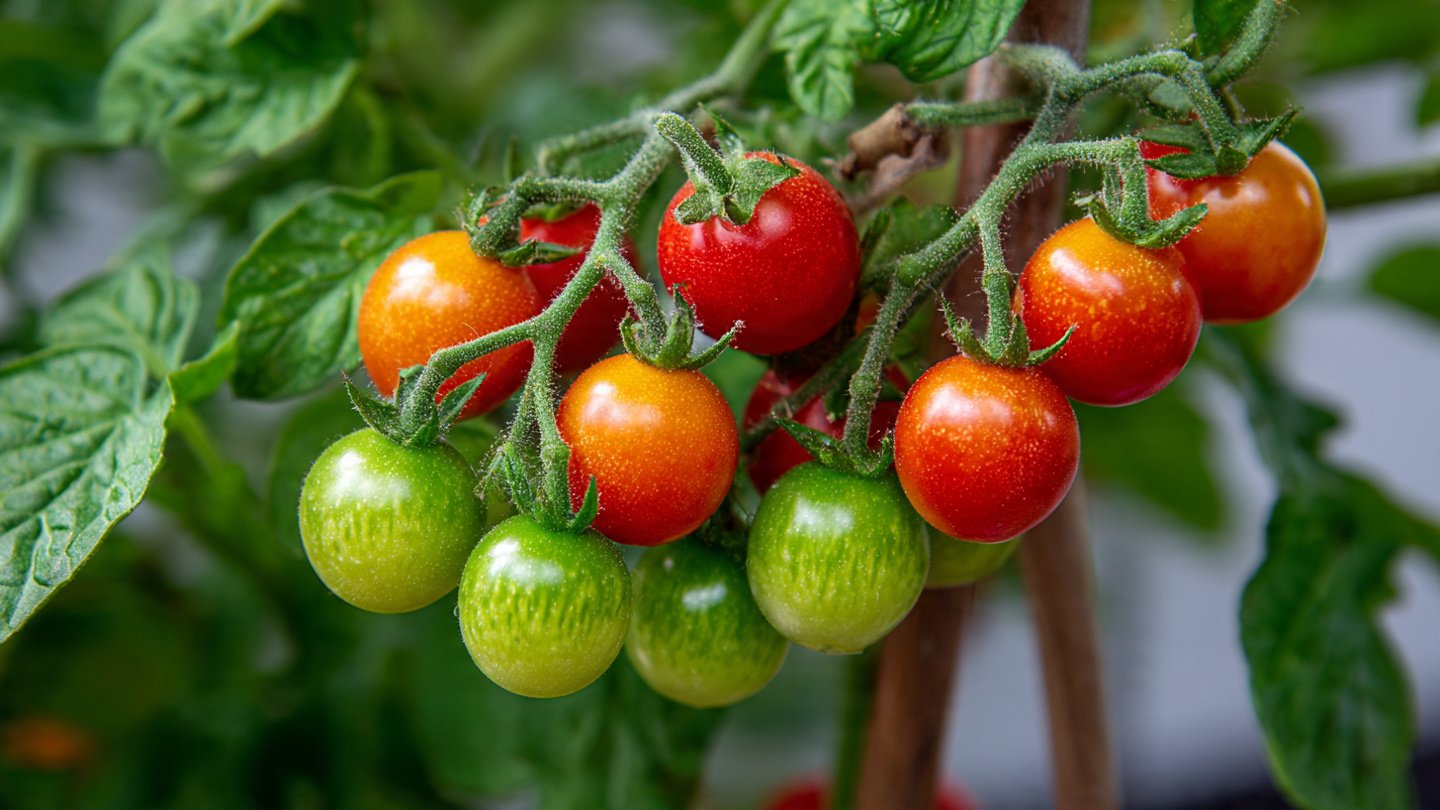
Growing peppers can be one of the most rewarding experiences in a home garden. Vibrant, colorful, and packed with flavor, peppers enhance meals, add variety to diets, and are surprisingly easy to grow. Yet many gardeners struggle with low yields or small fruits, even when their plants appear healthy. The secret to transforming pepper plants into heavy producers lies in understanding their growth needs and applying targeted techniques that maximize flowering, fruit set, and overall harvest. This ultimate guide will reveal proven strategies to boost your pepper harvest effectively.
Understanding Pepper Plant Growth
Pepper plants, whether bell peppers, chili peppers, or specialty varieties, are warm-season crops that thrive in sunny, well-drained environments. Fruit production depends on several factors:
- Sunlight: Peppers require at least six to eight hours of direct sunlight per day to produce flowers and set fruit.
- Temperature: Optimal temperatures for growth are between 70°F and 85°F (21–29°C) during the day and 60°F to 70°F (15–21°C) at night. Cold or excessively hot conditions can reduce flowering and cause flower drop.
- Soil Quality: Well-draining, fertile soil with a pH of 6.0–7.0 promotes healthy roots and nutrient uptake.
- Pollination: Pepper flowers need effective pollination to set fruit. While some peppers are self-pollinating, insect activity or gentle manual pollination improves yields.
Understanding these basic requirements helps create a foundation for heavy fruit production.
The Ultimate Tip: Strategic Flower Management
While sunlight, water, and soil fertility are essential, the single most effective way to dramatically increase pepper harvests is strategic flower management. This involves careful attention to the plant’s early flowering stage, pruning, and selective removal of initial blossoms.
Why Flower Management Works
Newly planted pepper seedlings often produce flowers quickly. However, allowing these early blooms to remain can reduce overall harvest potential:
- Energy Diversion: The plant expends energy trying to develop fruit too early, resulting in smaller peppers or stunted growth.
- Delayed Maturity: Early fruit can slow vegetative growth, preventing the plant from achieving its full size and potential flower count.
- Reduced Yield: Removing initial blossoms encourages the plant to invest in root and stem development, ultimately supporting more flowers and heavier fruit production later.
By strategically removing the first set of flowers, gardeners give pepper plants the best chance to grow larger, stronger, and more productive.
How to Implement Strategic Flower Management
- Identify Early Flowers: Look for the first flowers that appear when the plant is still small or has fewer than five sets of true leaves.
- Pinch or Snip: Using your fingers or clean scissors, gently remove these flowers. Avoid damaging surrounding stems or buds.
- Monitor Growth: Over the next few weeks, focus on encouraging healthy vegetative growth by providing adequate sunlight, water, and nutrients.
- Allow Later Flowers to Set Fruit: Once the plant has developed a strong structure and at least six to eight nodes (points where leaves attach to stems), begin allowing flowers to develop into fruit.
This simple yet powerful step can increase both the quantity and quality of peppers your plants produce.
Pruning for Maximum Yield
Pruning complements flower management by improving air circulation, reducing disease risk, and promoting more vigorous growth:
- Remove Lower Leaves: Trim leaves close to the soil to prevent fungal infections and redirect energy to flowering and fruiting.
- Pinch Side Shoots: Encourage main stem growth by removing weak lateral shoots that do not contribute to fruit production.
- Top the Plant: For certain varieties, topping (cutting the main stem above a node) encourages bushier growth and more flowering sites.
Pruning should be done carefully and gradually, allowing the plant to adjust without excessive stress.
Soil Preparation and Fertilization
Healthy, fertile soil is crucial for heavy pepper production:
- Loosen Soil: Peppers prefer well-draining, aerated soil to support strong root development.
- Organic Matter: Incorporate compost, aged manure, or worm castings to improve nutrient content and water retention.
- Balanced Fertilizer: Use a fertilizer higher in phosphorus and potassium once flowering begins to support blooms and fruit set. Nitrogen is essential early for vegetative growth but excessive nitrogen during flowering can reduce fruiting.
- Mulching: Apply organic mulch to maintain soil moisture, suppress weeds, and stabilize temperatures.
Well-prepared soil ensures pepper plants have the energy to produce abundant flowers and heavy fruits.
Watering Practices
Consistent watering is critical for flower development and fruit formation:
- Deep, Infrequent Watering: Water thoroughly once or twice a week, depending on weather, to encourage deep root growth.
- Avoid Overwatering: Soggy soil can cause root rot, reduce oxygen availability, and trigger flower drop.
- Morning Watering: Water early in the day to reduce fungal diseases and allow foliage to dry before nightfall.
Proper watering maintains plant health and prevents stress that can reduce fruit set.
Pollination Techniques
Even though peppers are largely self-pollinating, enhancing pollination can significantly improve yields:
- Attract Pollinators: Plant flowers nearby to attract bees and other beneficial insects.
- Manual Pollination: Gently shake the plant or use a small brush or electric toothbrush to transfer pollen from flower to flower.
- Air Circulation: Ensure adequate airflow around plants to naturally distribute pollen.
Effective pollination increases the number of flowers that set fruit, boosting overall harvest.
Pest and Disease Management
Healthy plants produce more fruit, so proactive pest and disease control is essential:
- Inspect Regularly: Check leaves, stems, and flowers for signs of aphids, mites, or fungal infections.
- Organic Control Methods: Use neem oil, insecticidal soap, or beneficial insects to control pests without harming pollinators.
- Crop Rotation: Avoid planting peppers in the same soil repeatedly to reduce soil-borne diseases.
- Sanitation: Remove damaged leaves and fallen debris to minimize infection sources.
Protecting plants from pests and diseases ensures energy is directed toward fruit production rather than defense.
Optimizing Light Exposure
Sunlight is critical for flowering and fruit development:
- Full Sun: Ensure at least six to eight hours of sunlight daily for maximum bloom and fruit set.
- Reflective Surfaces: Use light-colored walls or reflective mulch to increase light availability in shaded areas.
- Container Gardening: For potted peppers, rotate plants to ensure even sunlight exposure.
Adequate light drives photosynthesis, energy production, and ultimately a higher yield.
Companion Planting for Healthier Pepper Plants
Certain companion plants enhance pepper growth and yield:
- Basil: Improves flavor and can repel pests.
- Marigold: Deters nematodes and harmful insects.
- Onions or Garlic: Discourage aphids and other pests.
- Beans or Legumes: Enrich soil with nitrogen, supporting strong growth.
Strategic companion planting reduces pest pressure and improves overall plant vigor.
Harvesting for Continuous Production
Proper harvesting techniques encourage further fruiting:
- Pick Regularly: Harvest ripe peppers frequently to stimulate the plant to produce more flowers and fruits.
- Handle Gently: Avoid damaging stems or flowers while harvesting.
- Staggered Harvest: Allow a mix of mature and slightly immature peppers to remain on the plant, supporting continued growth.
Regular harvesting keeps plants productive and maximizes the total yield throughout the season.
Conclusion
Boosting your pepper harvest is less about secret fertilizers or complex gardening methods and more about understanding plant energy allocation, flower management, and overall care. By strategically removing early flowers, pruning carefully, optimizing sunlight, water, and soil nutrients, and supporting pollination, gardeners can transform pepper plants into prolific producers.
Combined with pest and disease management, companion planting, and consistent harvesting, these techniques create conditions for peppers to thrive and deliver bountiful yields. With patience, observation, and adherence to these strategies, even beginner gardeners can enjoy heavier, healthier pepper harvests that enhance meals and delight the senses.
This ultimate approach ensures that your pepper plants not only survive but flourish, producing vibrant, flavorful fruits throughout the growing season. By mastering flower management and providing attentive care, you can turn your garden into a pepper-producing powerhouse, offering fresh, abundant harvests year after year.