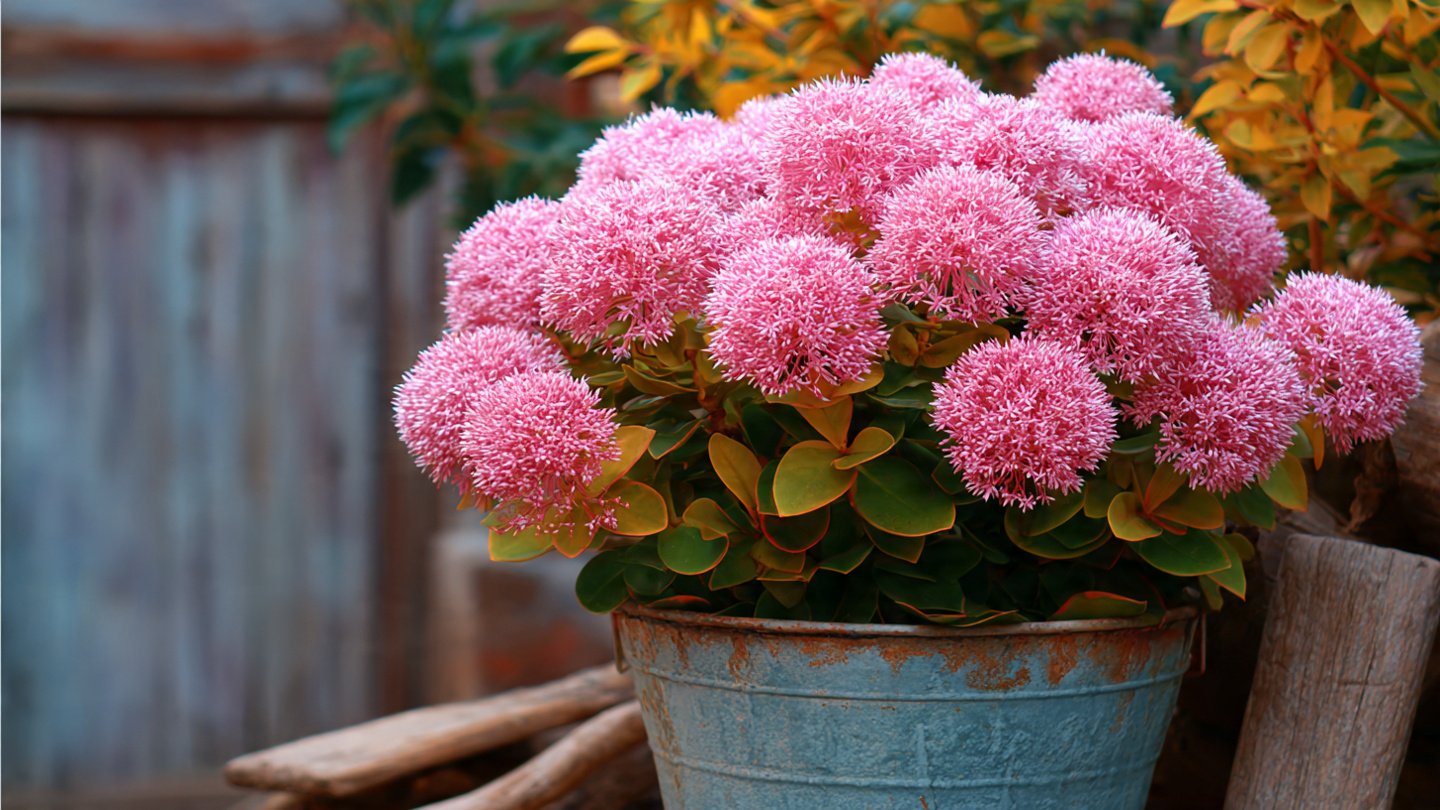
Shiuli flowers, often celebrated for their delicate beauty and enchanting fragrance, are a beloved sight in gardens across South Asia. Known scientifically as Nyctanthes arbor-tristis, these flowers are native to the Indian subcontinent and hold a special place in cultural, religious, and horticultural traditions. Often referred to as “Night-flowering Jasmine” or “Parijat,” Shiuli flowers bloom during the night and gracefully fall to the ground by morning, creating a natural carpet of white and orange that transforms any space into a scenic delight. This article explores gardening ideas, planting techniques, and design tips to help you incorporate Shiuli flowers into your home and garden.
The Charm of Shiuli Flowers
Shiuli flowers are small but striking, with white petals and a bright orange center that resembles a tiny sunburst. The plant itself is a deciduous shrub or small tree, typically reaching a height of 10 to 15 feet, making it versatile for both small gardens and larger landscapes. Its fragrance, which intensifies in the evening, attracts pollinators like bees and butterflies, enhancing the ecological value of your garden.
Culturally, Shiuli flowers are revered in many South Asian traditions. They are often used in religious ceremonies, offerings, and festive decorations. Beyond their aesthetic and cultural appeal, these flowers are hardy, requiring minimal maintenance, which makes them an excellent choice for both beginner and experienced gardeners.
Choosing the Right Spot for Planting
When planning to grow Shiuli flowers, selecting the right location is crucial. Shiuli plants thrive in well-drained soil and prefer a sunny spot that receives at least 6–8 hours of sunlight daily. They are moderately drought-tolerant but flourish with regular watering during dry spells. A location near a patio, garden walkway, or entrance can ensure their fragrance and beauty are enjoyed by everyone.
Consider planting Shiuli near outdoor seating areas or open verandas. Their night-time blooming habit ensures that their fragrance enhances evening relaxation, creating a serene and aromatic environment. Additionally, planting them near windows can bring the sweet scent indoors, enriching your home environment naturally.
Soil Preparation and Planting Techniques
Shiuli flowers are relatively adaptable to different soil types, but they prefer sandy loam with good drainage. Before planting, prepare the soil by loosening it to a depth of at least 12 inches and mixing in compost or well-rotted manure to improve fertility. Avoid waterlogged areas, as excessive moisture can cause root rot.
For optimal growth, consider propagating Shiuli plants from seeds or cuttings. Seed propagation requires soaking the seeds overnight and planting them in a nursery bed, while cuttings should be taken from healthy branches and allowed to root in a mix of sand and soil. Once established, Shiuli plants are resilient and can thrive with minimal care.
Watering and Fertilizing
Proper watering is essential, especially during the initial stages of growth. Water the plant regularly to keep the soil moist but not soggy. Once established, Shiuli plants can tolerate short dry periods, making them relatively low-maintenance. Mulching around the base helps retain moisture, control weeds, and regulate soil temperature.
Fertilization enhances flowering and overall plant health. Use a balanced organic fertilizer or compost every few months to provide essential nutrients. Over-fertilization should be avoided, as it may encourage excessive foliage growth at the expense of blooms. A well-fed Shiuli plant produces more fragrant and vibrant flowers, making it the centerpiece of your garden.
Pruning and Maintenance
Pruning Shiuli plants is key to maintaining their shape, encouraging branching, and promoting flowering. Remove dead or diseased branches, and lightly trim overgrown shoots to allow sunlight to penetrate the canopy. Pruning after the flowering season helps the plant conserve energy for the next bloom cycle.
Regular maintenance also includes checking for pests like aphids or scale insects. Natural remedies, such as neem oil or insecticidal soap, can effectively control infestations without harming beneficial insects. Maintaining healthy plants ensures a continuous display of blooms that can brighten your home and garden throughout the flowering season.
Creative Gardening Ideas with Shiuli Flowers
- Pathway Borders: Plant Shiuli along garden paths or walkways. Their white and orange flowers create a visually striking border, and fallen blooms can naturally decorate the pathway. Evening strolls in such a garden become a fragrant and visually delightful experience.
- Container Gardening: Shiuli plants can thrive in large pots or containers, making them ideal for patios, terraces, and balconies. Using decorative planters allows you to move them around to catch sunlight or create seasonal displays. Container gardening is particularly useful for small urban spaces where ground planting is limited.
- Mixed Flower Beds: Combine Shiuli with other night-blooming or fragrant flowers like tuberose, night-blooming cereus, or jasmine to create a multi-sensory garden. The interplay of colors, scents, and textures enhances visual appeal and attracts pollinators, creating a lively garden ecosystem.
- Indoor Floral Decor: Although Shiuli flowers are better suited for outdoor planting, cut blooms can be used indoors for decoration. A vase of fresh Shiuli flowers can elevate the ambiance of a room, filling it with fragrance and elegance. Change water daily to keep the flowers fresh and vibrant.
- Evening Gardens: Since Shiuli blooms open at night, consider creating an evening garden space. Place seating areas, lanterns, or fairy lights near the shrubs to enjoy the flowers’ fragrance under soft illumination. Such a setup offers a perfect retreat for relaxation or meditation.
- Flower Carpets: One unique feature of Shiuli is that fallen flowers create a natural carpet on the ground. Encourage this by planting multiple shrubs close together under a tree or near garden corners. The ground transforms into a seasonal tapestry of white and orange petals, creating a magical effect.
Seasonal Care and Blooming Patterns
Shiuli flowers bloom predominantly in autumn, coinciding with festive seasons in many cultures. The timing of blooms can be influenced by temperature, sunlight, and soil conditions. To encourage prolific flowering, maintain consistent care throughout the growing season. Avoid excessive pruning during peak bloom times, as this may reduce the number of flowers.
In colder climates, protect young plants from frost by using covers or relocating potted plants indoors. In warmer regions, Shiuli plants are hardy and often bloom multiple times a year, bringing continuous beauty to gardens and home spaces.
Enhancing Your Garden’s Aesthetic
Incorporating Shiuli flowers into your garden goes beyond planting—they can shape the garden’s overall aesthetic. Consider the following tips:
- Layering: Plant Shiuli alongside taller trees or shrubs to create depth and dimension. Their mid-height blooms serve as a visual bridge between taller foliage and lower ground covers.
- Color Contrast: Use the vibrant orange centers of Shiuli flowers as accents against greenery or blue-flowering plants. This contrast makes the flowers stand out and adds visual interest.
- Fragrance Zones: Group Shiuli in areas where their scent will be most appreciated, such as near entrances, patios, or meditation corners.
Community and Cultural Engagement
In addition to personal enjoyment, Shiuli flowers offer opportunities for community engagement. Schools, community gardens, and cultural centers can plant Shiuli shrubs to celebrate festivals or seasonal changes. Workshops on Shiuli care, flower arrangement, or night-blooming gardens can engage local communities and foster appreciation for horticulture and native plants.
Conclusion
Shiuli flowers are more than just a beautiful addition to gardens—they are a symbol of elegance, fragrance, and cultural heritage. Their striking white petals with vibrant orange centers, night-blooming habits, and minimal maintenance requirements make them perfect for home gardens, patios, and community spaces. By carefully choosing the planting site, preparing the soil, maintaining regular care, and creatively incorporating them into garden design, you can transform any space into a fragrant, visually captivating haven.
Whether used as pathway borders, container plants, or elements of evening gardens, Shiuli flowers provide endless opportunities to brighten your surroundings. Their fleeting blooms remind us to appreciate nature’s beauty daily, making every evening a sensory celebration. Cultivating Shiuli is not just gardening—it’s an art form that merges aesthetic appeal, ecological value, and cultural richness, offering a timeless gift to your home and garden.