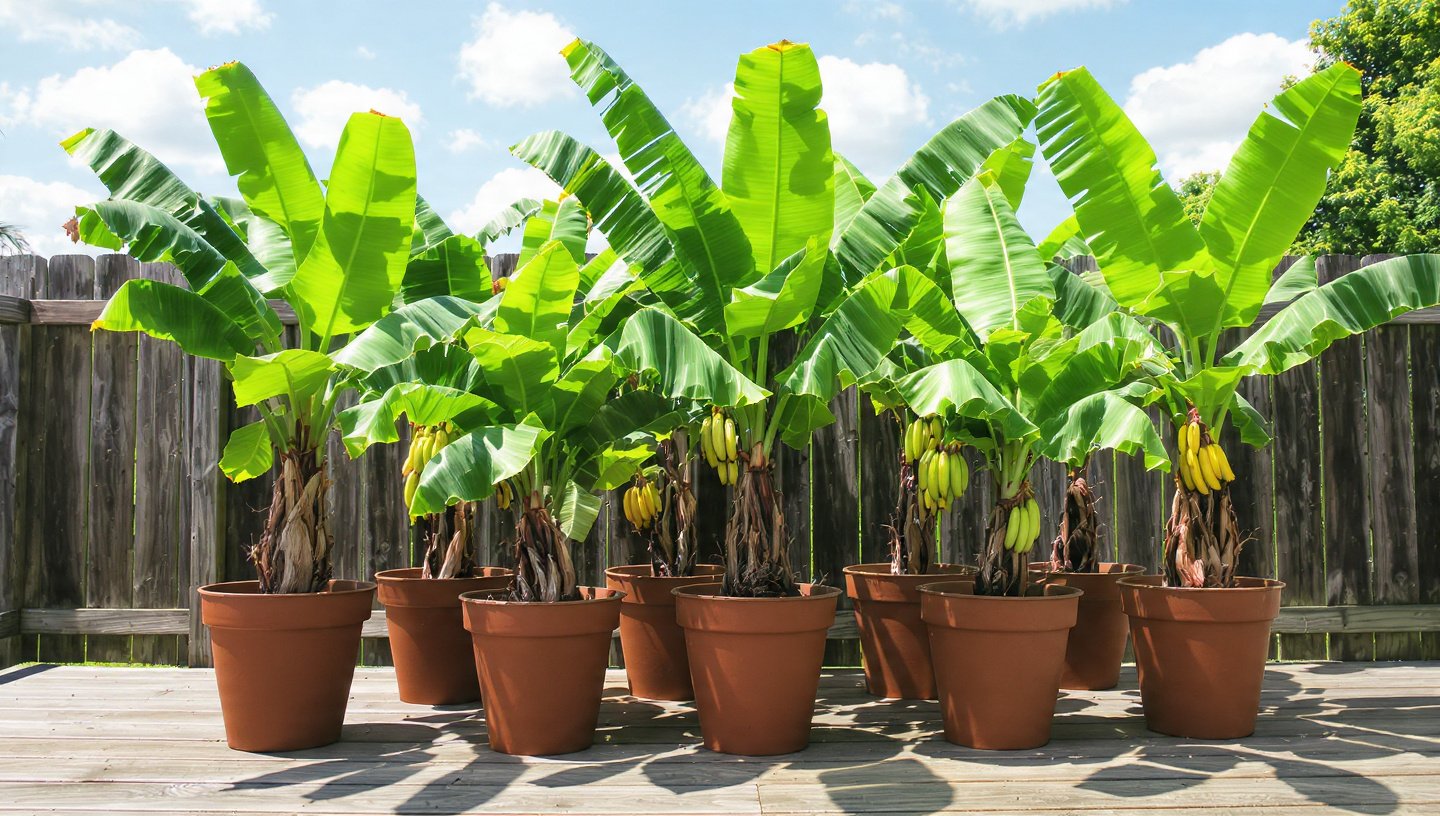
Banana trees are often associated with tropical landscapes, sprawling plantations, and sunny climates, but did you know you can grow them right in your own home? That’s right—potted banana trees, especially dwarf varieties, are not only possible but can thrive indoors or on a patio with the right care. Whether you want a touch of the tropics in your living room or a miniature banana orchard on your balcony, this guide will walk you through everything you need to know about growing dwarf bananas in pots.
Why Grow Bananas in Pots?
Growing banana trees in pots offers several advantages. For starters, it allows gardeners in cooler climates to enjoy a tropical plant that would otherwise struggle outdoors. Potted banana plants can be moved indoors during winter, protected from frost, and positioned in sunny spots during summer. They are also perfect for small spaces, urban gardens, and patios where in-ground planting isn’t possible.
Moreover, banana trees in pots can serve as attractive focal points. With their broad, lush green leaves and unique growth habit, they instantly add a tropical vibe to any space. And yes, if you choose the right variety, you may even harvest fruit!
Choosing the Right Variety: Dwarf vs. Standard
The key to successful potted banana cultivation is selecting the right variety. Dwarf banana plants are ideal because they typically reach only 3–8 feet in height, making them manageable indoors or in containers. Standard banana trees can grow 10–25 feet tall, which is impractical for most home gardeners.
Popular dwarf banana varieties include:
- Dwarf Cavendish – This classic variety produces sweet, small bananas and is compact enough for pots.
- Dwarf Red Banana – Known for its reddish-purple fruit, it adds both color and flavor to your garden.
- Dwarf Orinoco – Hardy and versatile, this variety can tolerate a bit more shade and produces creamy bananas.
When selecting a banana plant, always check that the variety is labeled “dwarf” to ensure it won’t outgrow your container.
Choosing the Right Pot
Banana plants have large root systems, so choosing a suitable pot is crucial. A pot should be at least 15–20 gallons in volume, deep enough to accommodate the roots, and wide enough to allow growth. Heavy-duty plastic, ceramic, or wooden containers work well, provided they have excellent drainage.
Drainage holes are essential because banana roots are prone to rot in waterlogged soil. Placing a layer of gravel or broken pottery at the bottom can improve drainage. If your pot lacks drainage, your plant may survive for a while but will eventually succumb to root rot.
Soil Requirements
Bananas thrive in rich, well-draining soil. A high-quality potting mix amended with organic matter such as compost, coconut coir, or well-rotted manure will provide the nutrients and moisture retention needed for healthy growth. Ideally, your soil should have a slightly acidic to neutral pH (between 5.5 and 7).
Mix in perlite or coarse sand to improve drainage, especially if your potting soil tends to retain water. Fertility is key: bananas are heavy feeders, so providing nutrient-rich soil from the start sets the foundation for strong growth and eventual fruit production.
Planting Your Dwarf Banana
Once you have your pot and soil ready, planting is straightforward. If you’re starting from a young plant or sucker, follow these steps:
- Fill the pot with soil, leaving a few inches at the top.
- Place the banana plant in the center, ensuring the crown (where the roots meet the stem) is slightly above soil level.
- Backfill with soil and gently press down to remove air pockets.
- Water thoroughly to settle the soil around the roots.
If planting multiple banana plants in one large container, space them carefully to allow airflow and light penetration. However, one plant per pot is generally recommended for optimal growth and fruiting.
Light Requirements
Banana plants are sun lovers. For indoor or patio-grown plants, aim for at least 6–8 hours of direct or bright indirect sunlight daily. South-facing windows are ideal, but supplemental grow lights can help during shorter winter days.
Outdoors, bananas thrive in full sun but can tolerate partial shade. Keep in mind that insufficient light slows growth and reduces fruiting potential. Leaves may also turn pale or droop without enough sun.
Watering and Humidity
Bananas require consistently moist soil, but overwatering can be fatal. Water when the top 1–2 inches of soil feel dry, ensuring excess water drains freely. During hot months, daily watering may be necessary, while in cooler months, watering frequency can be reduced.
High humidity benefits banana plants, mimicking their native tropical environment. Indoor growers can increase humidity by misting leaves, using a humidity tray, or placing a small humidifier nearby. Outdoor plants in arid climates may also need regular misting or wind protection to prevent leaf desiccation.
Fertilizing Your Potted Banana
Fertilization is critical because banana plants are heavy feeders. Use a balanced fertilizer with an NPK ratio of roughly 8:10:8 or one specifically formulated for fruiting plants. Fertilize every 2–4 weeks during the growing season.
Bananas also respond well to organic supplements like compost tea, fish emulsion, or diluted liquid seaweed. Avoid over-fertilizing nitrogen alone, as this encourages leaf growth at the expense of flowering and fruiting.
Pruning and Maintenance
Banana trees in pots are low-maintenance but benefit from occasional care. Remove dead, yellowing, or damaged leaves to prevent disease and improve airflow. Trim suckers (offshoots) to encourage the main stem to grow strong and focus energy on fruit production.
When a banana plant flowers and produces fruit, it will eventually die back. This is normal. After harvesting, cut the spent stem near the base and allow a healthy sucker to grow as the next generation.
Pollination and Fruiting
Dwarf banana plants are typically self-pollinating, which is perfect for container growth. However, some varieties may require hand-pollination if grown indoors. Pollinating is as simple as transferring pollen from the male flower to the female flower with a soft brush.
Patience is key: bananas grown in pots can take 12–18 months or longer to produce fruit, depending on conditions. Consistent care, proper light, and adequate fertilization greatly improve your chances of a healthy harvest.
Common Pests and Problems
Banana plants in pots are generally hardy, but they can attract pests like aphids, spider mites, and mealybugs. Regularly inspect your leaves and stems, and treat infestations with insecticidal soap or neem oil.
Other issues may include:
- Leaf browning – Often caused by low humidity or over-fertilization.
- Root rot – Due to poor drainage or overwatering.
- Slow growth – Can result from insufficient light or nutrient deficiency.
Maintaining proper care and promptly addressing problems ensures your potted banana thrives.
Winter Care for Indoor Plants
For gardeners in temperate climates, moving potted bananas indoors during winter is essential. Place your plant near a sunny window or under grow lights. Reduce watering slightly, as plant growth slows in cooler temperatures. Humidity may need a boost to prevent leaf damage.
Bananas can tolerate brief dips in temperature but should be kept above 50°F (10°C) to remain healthy. Avoid placing them near drafty windows or heating vents.
Enjoying Your Banana Tree at Home
Beyond their aesthetic appeal, dwarf banana trees offer a sense of accomplishment when they produce fruit. Even if your plant doesn’t fruit immediately, the vibrant green leaves and tropical presence make it a rewarding addition to any home or garden.
Potted bananas are versatile and can complement patios, living rooms, sunrooms, and balconies. With the right variety, soil, water, and sunlight, you can grow a miniature tropical oasis in your own space.
Final Thoughts
Growing dwarf banana trees in pots is not only possible but can be incredibly satisfying. By choosing the right variety, providing adequate light and water, using nutrient-rich soil, and practicing proper maintenance, you can enjoy the lush beauty and even the fruit of banana plants at home.
Remember, patience and consistency are your best allies. These tropical beauties may take time to flourish, but the rewards—a vibrant, leafy plant and potentially sweet homegrown bananas—are well worth the effort. Whether you’re a seasoned gardener or a beginner looking to experiment with container plants, dwarf banana trees offer a unique, tropical experience that brightens any home.
So, grab a pot, pick a dwarf variety, and start your journey to bringing a little piece of the tropics right into your home. With care, attention, and a bit of tropical magic, your potted banana tree can thrive and even provide delicious, homegrown bananas for years to come.