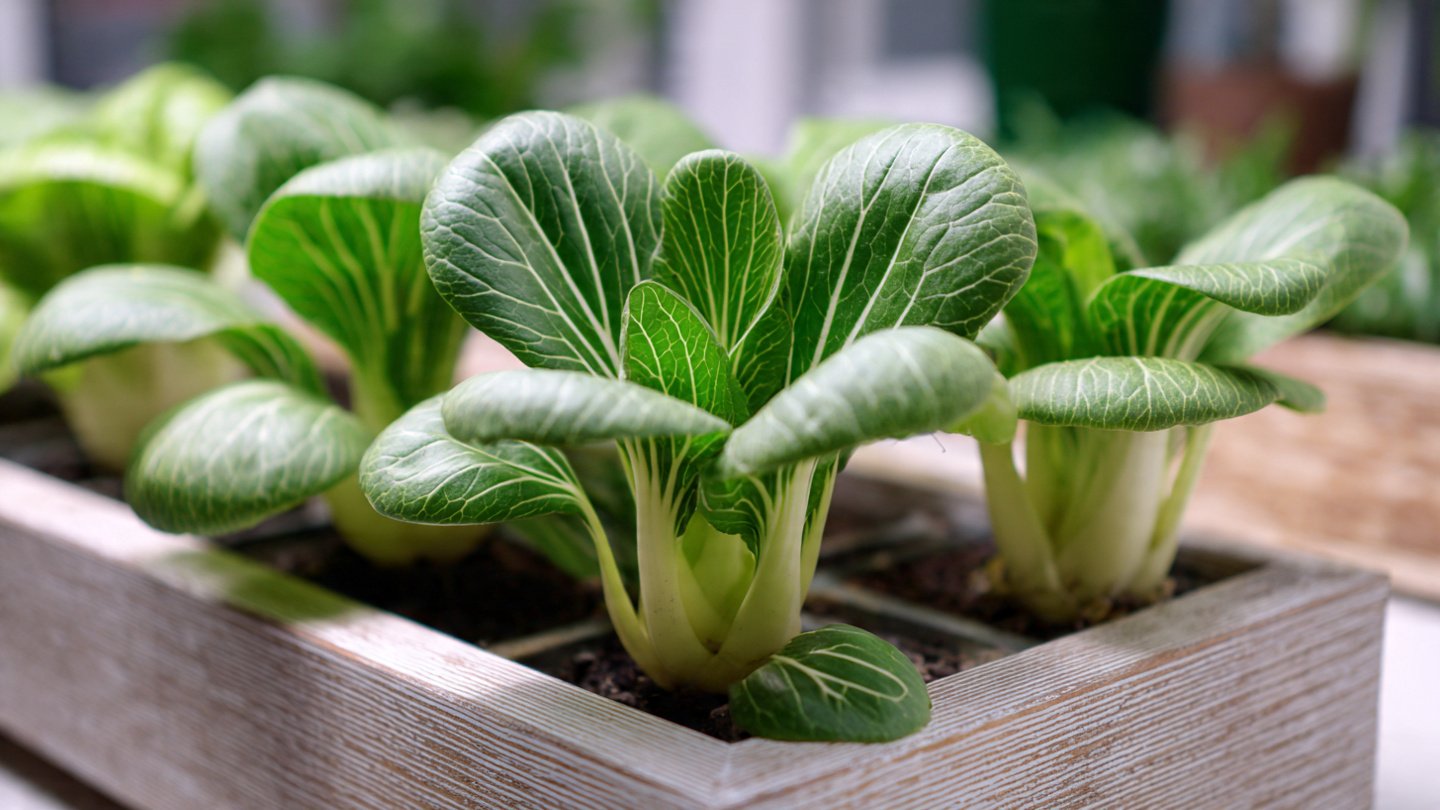
Bok choy (Brassica rapa subsp. chinensis), also known as pak choi or Chinese cabbage, is a leafy green vegetable cherished for its mild flavor, crunchy texture, and abundant nutrients, including vitamins A, C, and K, calcium, and antioxidants. Growing bok choy indoors offers the opportunity to enjoy fresh, tender leaves year-round, regardless of outdoor climate or season. Dwarf varieties are particularly suited for indoor cultivation because of their compact size, fast growth, and high yield in small spaces. This comprehensive guide explains how to successfully grow dwarf bok choy indoors, from seed selection to soil preparation, lighting, watering, and harvesting.
Understanding Dwarf Bok Choy
Dwarf bok choy is a smaller, faster-maturing variety of the traditional leafy vegetable. It typically reaches a height of 6–12 inches, making it ideal for container cultivation on windowsills, balconies, or indoor grow racks. Unlike full-sized bok choy, dwarf varieties produce tender leaves and compact heads, allowing multiple harvests in limited space.
Benefits of growing dwarf bok choy indoors include:
- Continuous year-round harvests, unaffected by weather.
- Space efficiency, making it ideal for apartments or small kitchens.
- Rapid growth, with some varieties ready for harvest in just 30–45 days.
- Nutrient-rich leaves that can be used fresh in salads, stir-fries, soups, and smoothies.
Indoor cultivation provides better control over growing conditions, leading to higher-quality, pesticide-free produce.
Selecting Seeds for Indoor Cultivation
Choosing the right seeds is crucial for successful indoor bok choy cultivation.
Tips for selecting seeds:
- Dwarf or baby varieties: Varieties such as ‘Shanghai Baby,’ ‘Mini Bok Choy,’ or ‘Joi Choi’ are ideal for indoor growing.
- High-germination seeds: Ensure seeds are fresh and have a high germination rate.
- Disease-resistant: Select seeds bred for resistance to common problems like downy mildew or aphids.
- Fast-maturing varieties: Shorter growth cycles allow for multiple harvests per season.
Using quality seeds ensures healthy seedlings, vigorous growth, and a steady supply of fresh leaves.
Preparing Containers and Soil
Indoor dwarf bok choy thrives in containers with well-draining soil.
Container selection:
- Choose containers at least 6–8 inches deep for a single plant or 12-inch-wide trays for multiple plants.
- Ensure containers have drainage holes to prevent waterlogging, which can lead to root rot.
- Consider self-watering pots for consistent moisture management.
Soil preparation:
- Use a lightweight, well-draining potting mix enriched with compost or organic matter.
- A slightly acidic to neutral pH of 6.0–7.0 is optimal for nutrient uptake.
- Avoid heavy garden soil that can compact in containers and hinder root growth.
Proper container and soil selection ensure healthy root development, which directly impacts leaf quality and yield.
Sowing Bok Choy Seeds Indoors
Sowing seeds correctly promotes uniform germination and healthy seedlings.
Step-by-step sowing:
- Fill containers with prepared potting mix, leaving an inch of space at the top.
- Sow seeds about ¼ to ½ inch deep, spacing them 1–2 inches apart.
- Cover lightly with soil and gently water to moisten without displacing seeds.
- Maintain consistent soil moisture to support germination.
Germination:
- Bok choy seeds typically germinate in 5–10 days.
- Keep soil warm at 65–75°F for optimal sprouting.
- Provide gentle light or indirect sunlight to prevent leggy seedlings.
Once seedlings develop their first set of true leaves, thin or transplant them to ensure adequate spacing and strong growth.
Lighting Requirements for Indoor Growth
Light is a critical factor for healthy bok choy indoors.
Natural light:
- Place containers near a south-facing window that receives at least 4–6 hours of sunlight daily.
- Rotate containers periodically to ensure even growth.
Artificial lighting:
- If natural light is insufficient, supplement with LED grow lights or fluorescent lamps.
- Use full-spectrum lights for 12–16 hours per day to mimic outdoor sunlight.
- Position lights 6–12 inches above plants, adjusting height as seedlings grow.
Adequate lighting prevents legginess, promotes crisp leaves, and accelerates growth for frequent harvests.
Watering and Moisture Management
Consistent moisture is essential for fast-growing indoor bok choy.
Watering tips:
- Keep the soil evenly moist but avoid waterlogging.
- Water gently to prevent soil displacement and root damage.
- Self-watering containers or drip irrigation can maintain consistent moisture levels.
Humidity:
- Indoor air can be dry, especially in winter.
- Maintain moderate humidity using a tray of water near plants or a small indoor humidifier.
- Adequate humidity prevents leaf edges from drying out and ensures tender growth.
Proper watering and humidity control are critical for producing juicy, tender leaves suitable for fresh consumption.
Fertilization for Optimal Growth
Indoor bok choy requires regular nutrients to support rapid leaf growth.
Fertilization guidelines:
- Use a balanced, water-soluble fertilizer every 2–3 weeks.
- Nitrogen-rich fertilizers encourage leafy growth.
- Phosphorus promotes root development, while potassium supports overall plant health.
- Organic options like compost tea or fish emulsion can be used for a gentle, natural boost.
Over-fertilization should be avoided, as it can cause leaf burn or excessive soft growth susceptible to pests.
Temperature and Environmental Conditions
Maintaining ideal temperature and environmental conditions ensures year-round success.
- Optimal growth occurs between 60–75°F.
- Avoid temperatures above 80°F for extended periods, which can cause bolting (premature flowering).
- Nighttime temperatures below 50°F can slow growth.
- Good air circulation helps prevent fungal diseases such as downy mildew.
Indoor environments allow precise control of temperature and humidity, reducing stress and improving consistent harvests.
Pest and Disease Management
Even indoors, dwarf bok choy can be affected by pests or diseases.
Common pests:
- Aphids, whiteflies, and spider mites can attack tender leaves.
- Use insecticidal soap or neem oil as a safe, effective treatment.
Diseases:
- Powdery mildew and downy mildew are common in humid conditions.
- Ensure proper spacing, air circulation, and avoid overwatering to reduce disease risk.
Regular inspection and preventive measures help maintain healthy plants year-round.
Harvesting Dwarf Bok Choy
Dwarf bok choy matures quickly and can be harvested in 30–45 days from sowing.
Harvesting techniques:
- Baby leaves: Harvest outer leaves as soon as they reach 4–6 inches for continuous growth.
- Full heads: Cut the entire plant at the base when leaves are tender and compact.
- Successive harvesting: Picking outer leaves allows the center to continue growing for multiple harvests.
Frequent harvesting encourages continuous leaf production and prevents premature flowering, ensuring fresh leaves throughout the year.
Advantages of Growing Dwarf Bok Choy Indoors
- Year-round supply: Indoor conditions allow harvesting regardless of season.
- Space efficiency: Compact plants thrive in small containers or vertical gardens.
- Quick growth: Fast-maturing dwarf varieties provide fresh leaves in 4–6 weeks.
- Pesticide-free produce: Controlled indoor environment reduces pest and disease exposure.
- Multiple harvests: Successive leaf picking maximizes yield from each plant.
Indoor dwarf bok choy cultivation is an excellent choice for health-conscious gardeners, small-space growers, and urban homesteads.
Common Mistakes to Avoid
- Overcrowding seedlings, which reduces airflow and leaf quality.
- Under-lighting, leading to leggy, weak plants.
- Overwatering or poor drainage, causing root rot.
- Neglecting fertilization, which limits leaf growth and nutrient content.
- Allowing plants to bolt due to high temperatures or stress.
Avoiding these mistakes ensures vigorous, productive plants suitable for year-round harvests.
Conclusion
Growing dwarf bok choy indoors is a simple, rewarding way to enjoy fresh, nutrient-rich leafy greens all year long. By choosing high-quality dwarf seeds, preparing suitable containers and soil, providing adequate light, water, and nutrients, and employing proper pruning and harvesting techniques, gardeners can cultivate healthy, productive plants in compact spaces.
Indoor cultivation offers controlled environmental conditions, reducing the risk of pests and diseases while allowing continuous harvests. With careful attention to lighting, temperature, moisture, and air circulation, dwarf bok choy can thrive in apartments, balconies, or kitchen windowsills, providing fresh leaves for salads, stir-fries, soups, and smoothies throughout the year.
Mastering these techniques ensures consistent growth, abundant yields, and delicious, homegrown bok choy for a healthy, sustainable indoor garden. Dwarf varieties make it easy to enjoy the benefits of fresh, nutritious greens without the need for a large outdoor garden.