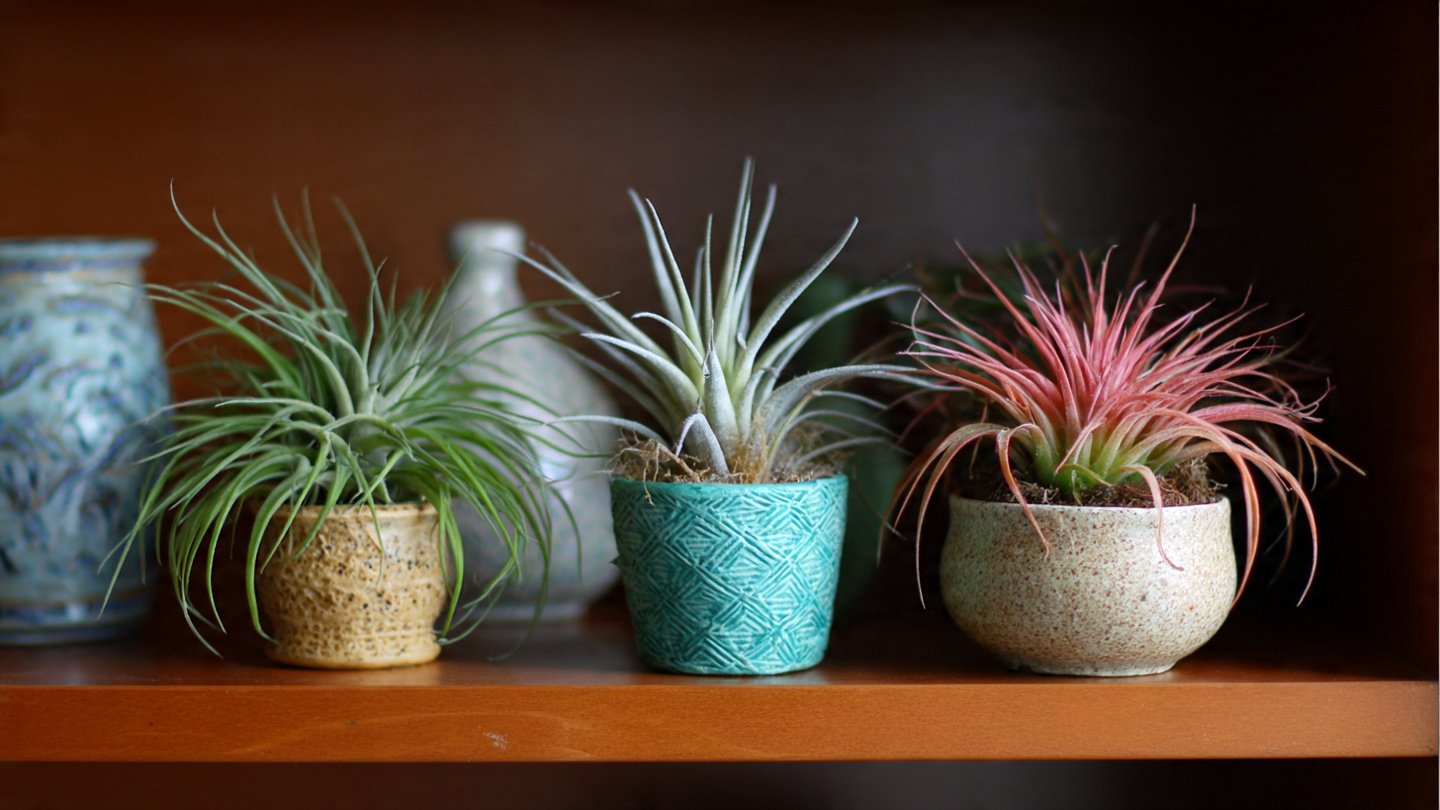
Air plants, or Tillandsia, have become one of the most popular indoor plants in recent years. Their exotic, sculptural shapes and ability to thrive without soil make them ideal for modern living spaces, offices, and even small apartments. Often called “care-free” plants, air plants are celebrated for their ability to grow almost anywhere, from mounted driftwood displays to hanging terrariums. But while they are remarkably low-maintenance, understanding their basic needs ensures they thrive rather than merely survive. This guide explores the simplest strategies to cultivate air plants with minimal effort.
What Are Air Plants?
Air plants belong to the genus Tillandsia, which is part of the bromeliad family. Unlike most plants, air plants do not require soil. Instead, they absorb water and nutrients through specialized leaf structures called trichomes, which capture moisture and nutrients from the air.
This unique adaptation allows them to grow in environments where other plants cannot, such as on tree branches, rocks, or even hanging in decorative glass globes. Their soil-free nature and ability to tolerate irregular watering make them perfect for indoor gardeners or people who want plants without the hassle of traditional potting.
Why Air Plants Are Easy to Grow
Air plants are easy to grow for several reasons:
- No Soil Needed: This eliminates the need for pots, potting mix, and repotting chores. Air plants can be mounted on wood, stones, shells, or even magnets.
- Low Water Requirements: They only need occasional misting or soaking. Overwatering, rather than under-watering, is usually the primary risk.
- Tolerant of Various Conditions: Most air plants thrive in moderate indoor light and can tolerate a range of temperatures, making them versatile for different home environments.
- Minimal Fertilization: Occasional light feeding is optional and mostly accelerates growth or enhances flowering, but air plants can survive without regular fertilizer.
Choosing the Right Air Plants
Not all air plants are identical, and some are easier to care for than others. If your goal is minimal effort, focus on these factors:
- Size: Smaller species, such as Tillandsia ionantha, are ideal for low-maintenance indoor settings. They require less water and adapt easily to various displays.
- Type: Some species bloom more readily and may need extra attention to produce flowers, while others remain attractive without flowering.
- Resilience: Look for species labeled as “beginner-friendly” or “hardy,” as these can tolerate occasional lapses in watering and lower light conditions.
Purchasing from reputable nurseries ensures you get healthy, viable plants free from pests or disease.
Placement and Light Requirements
Air plants do best in bright, indirect light. Direct sunlight can scorch their leaves, while very low light slows growth. Some easy ways to provide suitable light include:
- Near an east or west-facing window with filtered light.
- Under fluorescent lights in offices or rooms without natural sunlight.
- On shelves or walls where they receive ambient light for most of the day.
If your goal is almost “no-care” cultivation, place air plants in a location where natural light is present but indirect. Avoid dark corners that may require supplemental lighting or constant repositioning.
Watering Made Simple
Watering is often the main concern for beginners, but air plants are forgiving if you follow simple routines:
- Misting: Lightly mist your air plants two to three times per week. Ensure leaves are evenly wet but not soaking.
- Soaking: Once every two weeks, submerge your plants in water for 20–30 minutes. Shake off excess water afterward to prevent rot.
- Drying: Air plants must dry completely within 4 hours to prevent fungal growth. Placing them in a location with good air circulation ensures they stay healthy.
- Avoid Overwatering: The most common mistake is leaving water trapped in leaf folds or soaking the plant too often. Minimal effort watering usually produces the best results.
For “no-care” cultivation, using a glass display or terrarium that allows air circulation while maintaining humidity can reduce the need for frequent misting.
Optional Fertilization
Air plants absorb nutrients from the air, but occasional fertilization promotes growth, color, and flowering:
- Use a bromeliad or air plant fertilizer diluted to one-quarter strength.
- Fertilize once a month, either by adding the fertilizer to the soaking water or by lightly misting the leaves.
- Fertilization is optional for those seeking truly minimal maintenance; plants will survive and remain decorative without it.
Mounting and Display Options
One of the charms of air plants is their versatility in display. Here are some simple options that require minimal maintenance:
- Driftwood or Branch Mounting: Attach the plant to wood with glue, wire, or fishing line. Simply take the plant down for soaking or misting.
- Glass Globes or Terrariums: Hang air plants in open glass containers. Ensure the openings are wide enough for air circulation.
- Shells, Stones, or Decorative Bowls: Place plants in shallow containers without soil. This makes watering and repositioning easy.
- Magnetic Displays: Attach small air plants to magnets for a creative, wall-mounted arrangement.
When choosing a display method, prioritize air circulation and ease of removal for occasional watering. This allows your air plants to thrive with almost no daily attention.
Air Circulation
Even low-maintenance air plants require some airflow to stay healthy. Good air circulation prevents fungal and bacterial growth, which can occur if water lingers on the leaves. Avoid sealed containers or overly dense terrariums. Open glass globes or well-ventilated areas are ideal.
Common Problems and Easy Fixes
Even with minimal care, you may encounter some issues:
- Brown Leaf Tips: Usually a sign of dehydration. Increase misting or soak the plant briefly.
- Soft or Mushy Leaves: Indicates overwatering or poor drainage. Reduce watering frequency and ensure leaves dry completely after soaking.
- Slow Growth: Often due to low light. Move the plant to a brighter spot without direct sunlight.
- Pests: Rare but can include aphids or mealybugs. Gently rinse the plant under running water to remove pests.
By following simple watering, lighting, and display strategies, these problems can be minimized with minimal effort.
Encouraging Flowering
While air plants are primarily grown for their unique foliage, many species produce stunning blooms:
- Flowers typically develop as the plant matures, often once a year.
- Blooming is enhanced by occasional fertilization and consistent, bright indirect light.
- After flowering, many air plants produce offsets or “pups,” which can be separated to create new plants.
Even if you ignore flowering, air plants remain attractive year-round, making them ideal for low-maintenance cultivation.
Low-Maintenance Routine
For truly effortless care, establish a simple routine:
- Place air plants in bright, indirect light.
- Mist lightly 2–3 times per week or soak every two weeks.
- Ensure they dry completely within hours after watering.
- Optional: Fertilize monthly.
- Inspect occasionally for brown tips, pests, or soft leaves.
This routine allows your plants to thrive without daily attention, making air plants one of the easiest indoor plants to grow.
Conclusion
Air plants are the ultimate low-maintenance houseplants. Their unique ability to grow without soil, tolerate a range of indoor conditions, and thrive with minimal watering makes them perfect for busy lifestyles or decorative purposes. By choosing the right species, providing bright indirect light, maintaining a simple watering routine, and ensuring proper air circulation, anyone can enjoy these exotic plants without the stress of daily care.
With a small investment in proper placement and occasional misting, air plants can thrive in your home, office, or even bathroom, adding a touch of greenery and elegance without demanding your time. Their sculptural shapes, sometimes vibrant blooms, and remarkable adaptability make them a standout choice for gardeners seeking beauty with minimal effort.
By following these simple strategies, you can cultivate air plants successfully, enjoying their unique aesthetic and charm while barely lifting a finger. In essence, air plants allow you to experience the joys of indoor gardening the easy way—beautiful, resilient, and almost completely care-free.