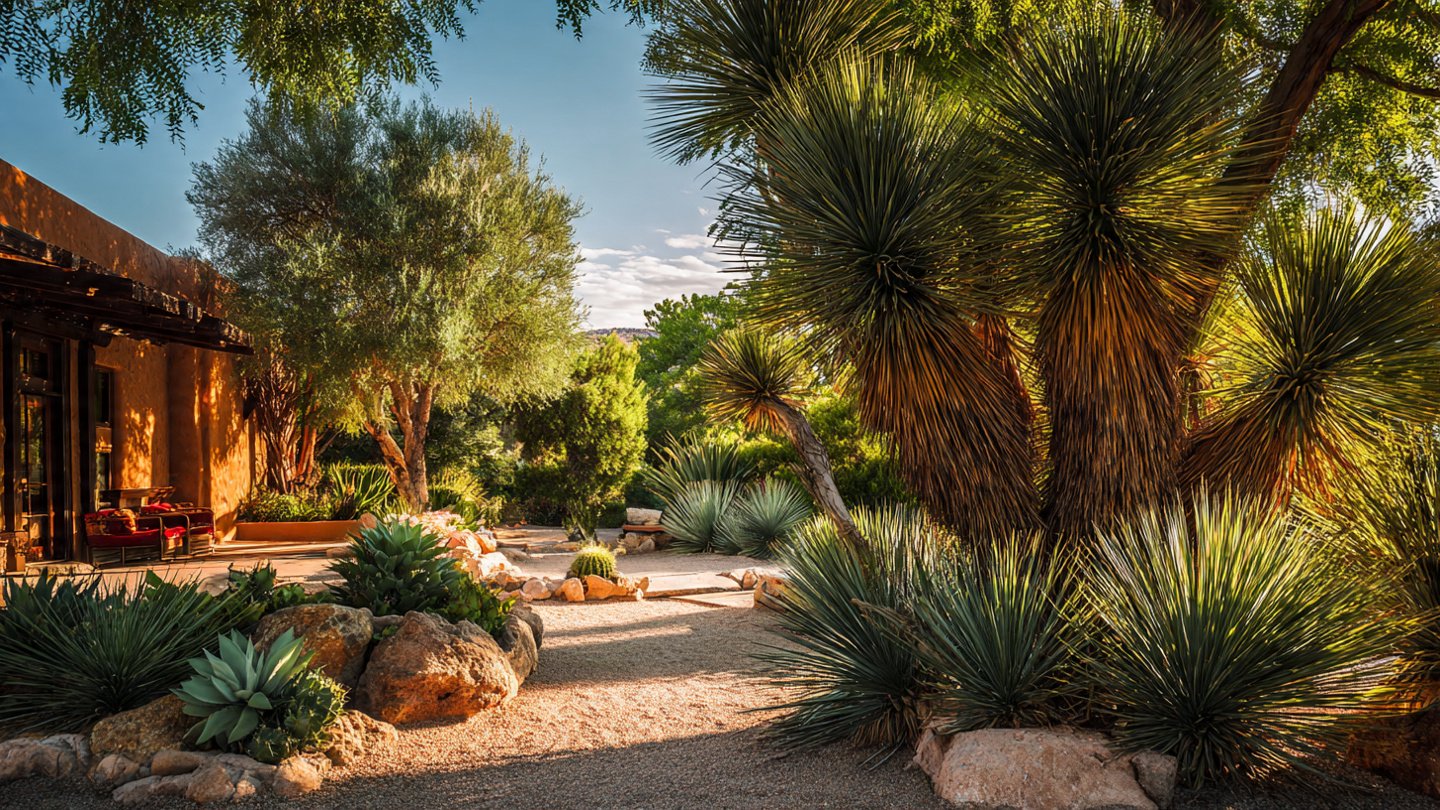
Yucca plants, with their striking architectural form, spiky leaves, and dramatic flower spikes, have become increasingly popular in modern gardens. Their low-maintenance nature, drought tolerance, and sculptural appearance make them ideal for contemporary landscapes, xeriscaping, and container gardening. While yuccas are generally hardy, achieving optimal growth requires understanding their needs, selecting the right variety, and following specific planting and care techniques. This comprehensive guide explores the best way to grow yucca in modern gardens, from soil preparation to pruning and propagation.
Understanding Yucca Plants
Yucca is a genus of perennial shrubs and trees native to arid regions of North and Central America. Known for their sword-like leaves, thick stems, and tall flower spikes, yuccas are both ornamental and functional, often used as focal points, privacy screens, or architectural elements in landscape design.
Key Characteristics of Yucca Plants:
- Leaf Structure: Stiff, sword-shaped leaves arranged in rosettes.
- Growth Habit: Depending on the species, yuccas can be low-growing shrubs or tree-like structures reaching over 10 feet tall.
- Flowers: Tall spikes of white or cream flowers that bloom in summer.
- Durability: Extremely drought-tolerant and resistant to heat, making them ideal for low-water landscapes.
Understanding these characteristics helps gardeners select the right yucca variety and plan placement in modern garden designs.
Selecting the Right Yucca Variety for Your Garden
Choosing a yucca species that suits your climate, garden size, and design goals is crucial for success. Some popular varieties include:
- Yucca filamentosa: Known as Adam’s Needle, a smaller, hardy variety with long filaments along leaf edges. Ideal for borders and smaller modern gardens.
- Yucca aloifolia: The Spanish Bayonet variety, a taller species with dramatic spiky leaves and large flower spikes. Works well as a statement plant.
- Yucca gloriosa: A medium-sized, low-maintenance variety perfect for coastal gardens.
- Yucca rostrata: Globe-like rosettes atop a single trunk, excellent for containers or desert-inspired landscapes.
Consider factors such as height, leaf width, and bloom frequency when selecting a variety to ensure it complements your modern garden aesthetic.
Ideal Soil Conditions for Yucca
Yucca plants thrive in well-draining soil, as waterlogged conditions can lead to root rot and other issues. The key soil requirements include:
- Drainage: Sandy or gritty soils are ideal. Avoid heavy clay soils unless amended.
- pH Range: Slightly acidic to neutral soil (pH 6.0–7.5) promotes nutrient absorption.
- Nutrient Content: Yuccas do not require highly fertile soil, but adding organic matter during planting encourages strong root establishment.
Soil Preparation Steps:
- Amend Heavy Soil: Mix sand, perlite, or small gravel into clay soil to improve drainage.
- Add Organic Matter: Incorporate compost or well-rotted manure to provide slow-release nutrients.
- Check Soil pH: Use a soil test kit to ensure pH is within the optimal range. Amend with lime or sulfur if necessary.
Proper soil preparation lays the foundation for healthy yucca growth and long-lasting beauty.
Planting Yucca in Modern Gardens
Planting yucca correctly is essential for rapid establishment and optimal aesthetics.
Step 1: Choose the Right Location
- Sunlight: Yuccas prefer full sun but tolerate light shade. Full sun promotes strong leaf color and flower production.
- Spacing: Ensure adequate spacing based on mature plant size. Avoid overcrowding, as yuccas need airflow to reduce disease risk.
Step 2: Planting Process
- Dig a hole twice as wide and slightly deeper than the root ball.
- Position the yucca so the crown sits slightly above soil level to prevent rot.
- Backfill with prepared soil, pressing lightly to eliminate air pockets.
- Water thoroughly to help settle the soil around the roots.
Step 3: Mulching
- Apply a thin layer of mulch around the base to retain moisture and regulate soil temperature.
- Keep mulch a few inches away from the crown to prevent fungal problems.
Watering and Drought Management
Yucca plants are extremely drought-tolerant once established but require careful watering during the early growth phase.
- Establishment Period: Water regularly for the first 6–12 months to help roots anchor. Allow the top 2 inches of soil to dry between waterings.
- Mature Plants: Reduce watering to once every 2–3 weeks, depending on rainfall. Overwatering can cause root rot.
- Container Yuccas: Containers dry out faster, so monitor soil moisture closely. Use a well-draining potting mix to prevent waterlogging.
Understanding yucca’s water requirements ensures healthy growth without wasting resources.
Fertilizing Yucca
Yuccas are low-maintenance and do not require frequent fertilization. However, light feeding encourages strong growth and more prolific flowering.
- Timing: Fertilize once in spring and again in summer. Avoid fertilizing in late fall or winter.
- Type: Use a balanced, slow-release fertilizer with a ratio of approximately 10-10-10 or 12-12-12.
- Application: Scatter fertilizer around the base, keeping it a few inches from the crown. Water thoroughly after application.
Minimal fertilization prevents excessive leafy growth, maintaining the plant’s architectural appeal.
Pruning and Maintenance
Proper pruning and maintenance enhance both appearance and plant health.
Pruning Steps:
- Remove dead, yellow, or damaged leaves regularly.
- Cut old flower stalks to redirect energy to new growth.
- Use sharp, clean pruning tools to prevent damage and disease.
Pest and Disease Management
Yucca is relatively pest-resistant but can occasionally suffer from:
- Scale insects: Treat with horticultural oil or insecticidal soap.
- Leaf spot or root rot: Ensure good drainage and airflow to minimize fungal infections.
Routine inspection and preventive care reduce maintenance needs while keeping the plant attractive.
Propagating Yucca for Modern Gardens
Propagation allows you to expand your yucca collection and share plants with others. Popular methods include:
1. Offsets (Pups)
- Many yuccas produce small offsets at the base.
- Gently separate pups from the parent plant and root them in well-draining soil.
2. Stem Cuttings
- Cut healthy stems with at least a few leaves.
- Allow cut ends to dry for a few days before planting in sandy soil.
- Rooting occurs within a few weeks with minimal care.
3. Seeds
- Collect seeds from mature yucca flowers.
- Sow in a sandy, well-draining seed mix.
- Germination may take several weeks; maintain warmth and consistent moisture.
Propagation ensures a steady supply of plants while maintaining the aesthetic of a modern garden.
Integrating Yucca into Modern Garden Designs
Yucca’s architectural form complements contemporary landscaping in several ways:
- Focal Points: Place a large yucca in a minimalist garden bed or rock garden to create a striking visual anchor.
- Borders and Screens: Use upright varieties to form natural barriers or privacy screens.
- Container Gardens: Medium-sized yuccas thrive in large pots, ideal for patios, terraces, or modern courtyards.
- Xeriscaping: Combine yuccas with drought-tolerant plants such as agave, succulents, or ornamental grasses for low-maintenance, water-efficient landscapes.
The bold silhouette and sculptural leaves of yucca make it perfect for clean, modern aesthetics.
Seasonal Care and Protection
While yucca is hardy, some considerations ensure year-round success:
- Cold Protection: In areas with frost, mulch the base heavily or wrap young plants to prevent damage.
- Summer Care: Provide adequate water for new plants during extreme heat but avoid overwatering.
- Flowering: Encourage blooms by exposing mature plants to full sun and minimal disturbance during late spring or early summer.
Proper seasonal care maintains yucca’s longevity and ornamental value.
Conclusion
Growing yucca for modern gardens is both rewarding and practical. These plants offer dramatic visual appeal, low maintenance, and resilience under challenging conditions. By selecting the right variety, preparing well-draining soil, providing optimal sunlight and water, and practicing thoughtful maintenance, gardeners can achieve the best results.
From planting and fertilizing to pruning, propagating, and integrating yucca into contemporary garden designs, following these guidelines ensures strong, healthy plants with bold architectural form. Yucca’s adaptability, combined with minimal care requirements, makes it a perfect choice for gardeners looking to create modern, sustainable, and visually striking landscapes.
Incorporating yucca into your garden not only enhances aesthetic appeal but also supports low-water gardening, promotes sustainability, and adds a unique sculptural element that stands out in modern designs. With patience, proper care, and attention to detail, you can cultivate yucca that thrives for years, offering beauty, structure, and functionality in any garden setting.