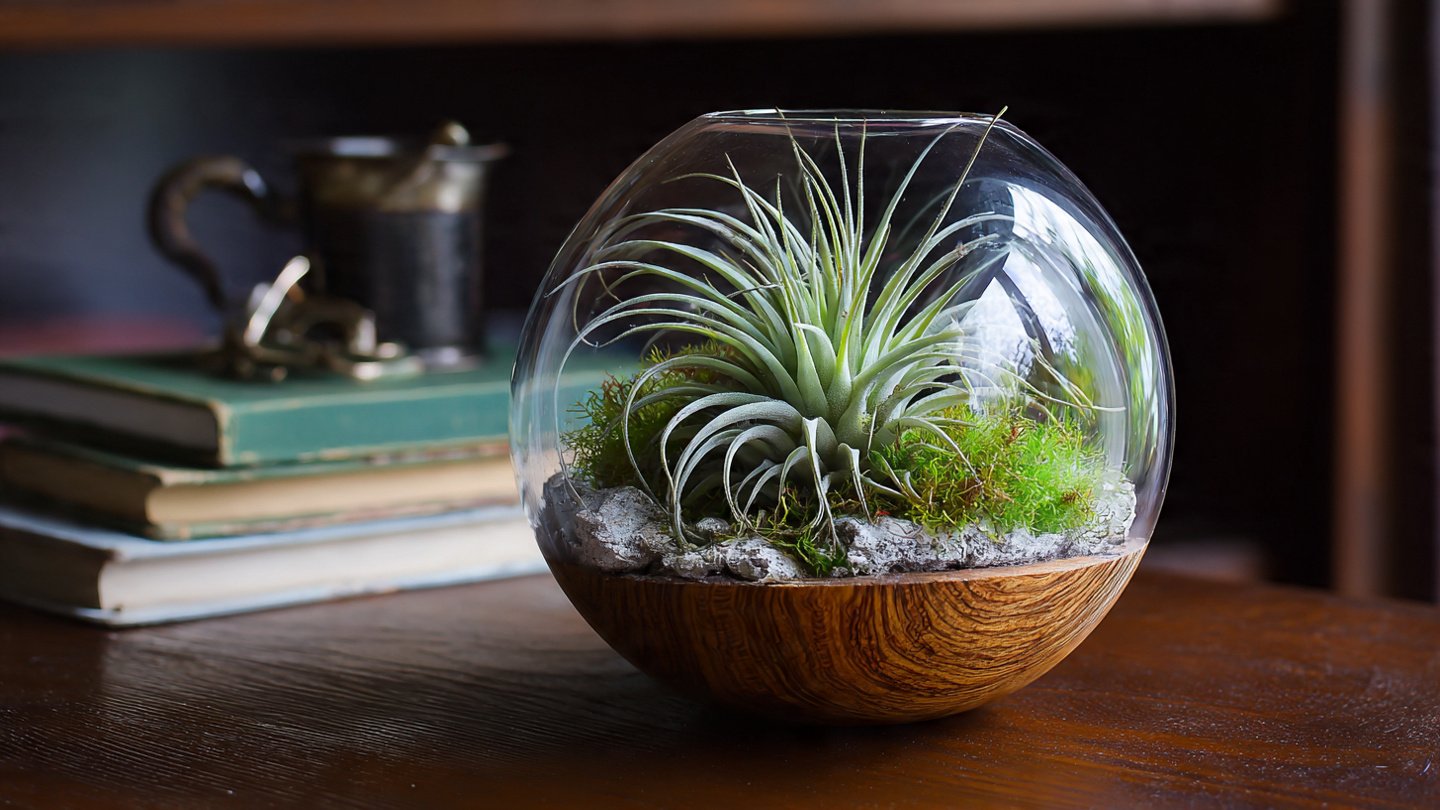
Air plants, or Tillandsia, are unique and captivating plants that have surged in popularity among plant enthusiasts for their low-maintenance care and versatility. Unlike traditional potted plants, Tillandsias do not require soil to thrive. This makes them ideal for creative displays, such as hanging glass globes, which turn these plants into living art pieces. However, successfully growing Tillandsia in a glass globe requires an understanding of their natural needs, careful placement, and proper care techniques. This guide provides a complete walkthrough for air plant enthusiasts seeking to cultivate these stunning plants in a stylish, globe-based display.
Understanding Tillandsia
Tillandsias are epiphytes, meaning they naturally grow on other surfaces such as trees, rocks, or fences rather than in soil. They absorb water and nutrients primarily through their leaves via tiny hair-like structures called trichomes, which makes soil unnecessary. Native to the forests, mountains, and deserts of Central and South America, Tillandsias are highly adaptable but sensitive to improper care.
Growing them in a glass globe allows you to highlight their natural form and unique structure. The transparent globe showcases the plant from all angles, creating a floating, modern aesthetic perfect for homes, offices, or creative displays. However, the closed environment of a globe alters airflow, humidity, and light, which must be carefully managed to ensure healthy growth.
Choosing the Right Tillandsia Species
Not all Tillandsia species are equally suited for globe displays. Smaller varieties are typically ideal, as they fit comfortably inside the confined space without overcrowding. Popular choices include:
- Tillandsia ionantha – Compact, with vibrant red or pink tips when in bloom.
- Tillandsia xerographica – Larger, curly leaves and dramatic appearance, suited for larger globes.
- Tillandsia stricta – Small, bushy, and hardy, perfect for clusters inside a globe.
- Tillandsia bulbosa – Curvy, unique shapes that add visual interest to hanging arrangements.
When selecting plants, consider the size of your globe. Overcrowding can reduce airflow and increase the risk of rot. It’s often better to display one or two plants per globe to ensure they receive proper care and maintain their aesthetic appeal.
Preparing the Glass Globe
Before placing a Tillandsia inside a globe, it is essential to prepare the container properly. Glass globes come in various shapes, including hanging spheres, terrariums with flat bases, or geometric designs. Key considerations include:
- Airflow – Choose a globe with an opening large enough to allow air circulation. Tillandsias require good airflow to prevent moisture buildup, which can lead to rot.
- Cleaning – Wash the globe thoroughly to remove dust or residues that could harm the plant. Rinse and dry it completely before placing the Tillandsia inside.
- Positioning – Decide whether the globe will hang or sit on a flat surface. Hanging globes provide natural air circulation and create dynamic visual interest.
Adding decorative elements such as sand, pebbles, driftwood, or moss is optional. While these items can enhance the display aesthetically, they should not trap moisture against the plant’s base, as Tillandsias do not thrive in wet conditions.
Light Requirements
Tillandsias thrive in bright, indirect light. Glass globes placed in direct sunlight can create a greenhouse effect, heating the globe excessively and damaging the plant. Ideal locations include near a north or east-facing window, or in a room with ample ambient light.
Artificial light is an option if natural light is limited. Fluorescent or LED grow lights can supplement light, providing 12–14 hours per day to mimic natural conditions. Ensure the globe is positioned close enough to the light source for photosynthesis without overheating.
Watering Techniques
Watering is one of the most critical aspects of growing Tillandsia in a glass globe. Unlike traditional plants, air plants absorb moisture through their leaves rather than roots, so proper hydration is key. Common watering methods include:
- Misting – Lightly mist the plant inside the globe 2–3 times per week. Ensure all leaves receive moisture, but avoid over-saturating.
- Soaking – Remove the Tillandsia from the globe periodically (once every 1–2 weeks) and submerge it in room-temperature water for 20–30 minutes. Shake off excess water afterward to prevent standing moisture.
- Drying – After watering, ensure the plant dries completely within 4 hours to prevent rot. Leaving moisture trapped in a globe can be fatal, especially in enclosed designs.
Adjust watering frequency based on environmental conditions. Warmer, drier rooms may require more frequent misting, while humid environments may require less.
Air Circulation and Temperature
Tillandsias require good airflow to remain healthy. A globe with a small opening can restrict circulation, so rotate the globe or place it in areas with natural air movement. Avoid placing globes near air vents, heaters, or drafty windows that could stress the plant.
Temperature tolerance for most Tillandsia species ranges between 50°F and 90°F (10°C–32°C). Extreme fluctuations can inhibit growth or cause leaf browning. Maintaining stable conditions ensures optimal health and vibrant foliage.
Fertilizing Your Tillandsia
Although not mandatory, fertilizing promotes stronger growth and flowering. Use a water-soluble, bromeliad or air plant fertilizer diluted to ¼ strength, applied once per month during the growing season. Fertilizer can be added directly to the soaking water or lightly misted onto the leaves. Avoid over-fertilizing, as excess nutrients can damage delicate leaves or cause chemical burns.
Maintenance Tips
Maintaining Tillandsia in a glass globe requires regular attention:
- Leaf Cleaning: Dust or debris can accumulate inside the globe. Wipe leaves gently with a damp cloth or rinse during soaking.
- Pruning: Remove any dried or brown leaves to keep the plant looking healthy.
- Monitoring: Check for signs of rot, such as soft or mushy leaves. Immediate removal of affected parts prevents spread.
- Rotation: Turn hanging globes periodically to ensure even light exposure on all sides.
Creative Display Ideas
Glass globes allow for creative and aesthetic presentations:
- Hanging Clusters: Suspend multiple globes at varying heights for a floating, ethereal garden effect.
- Tabletop Arrangements: Use globes as a centerpiece on dining or coffee tables. Pair with driftwood or candles for a natural, modern look.
- Mixed Displays: Combine different Tillandsia species in one globe for contrast in leaf shapes and textures.
Decorating around the globe with natural elements such as pebbles, moss, or shells enhances visual appeal without compromising plant health. Remember, functionality comes first — aesthetics should not compromise airflow or water management.
Propagation in a Globe
Tillandsias produce offsets called pups, which can be propagated. If your globe contains a mature plant that produces pups, you can carefully remove them once they reach 1/3 the size of the parent and place them in their own glass globe or another display. Propagating this way allows you to expand your collection while maintaining the integrity of your existing arrangement.
Common Challenges and Solutions
While Tillandsias are generally resilient, they can face issues in glass globes:
- Rotting: Caused by excessive moisture or poor airflow. Remove affected leaves and adjust watering frequency.
- Drying Out: Leaves curling or browning may indicate inadequate watering. Increase misting or soaking sessions.
- Insufficient Light: Pale or weak leaves signal low light exposure. Move the globe to a brighter area or supplement with artificial light.
By monitoring your Tillandsia regularly, most problems can be prevented or corrected early, ensuring a thriving display.
Final Thoughts
Growing Tillandsia in a glass globe combines horticulture with creativity, allowing plant enthusiasts to enjoy the elegance and uniqueness of air plants in a visually striking format. Success depends on understanding the plant’s needs: proper light, careful watering, adequate airflow, and attentive maintenance.
The globe provides a versatile and aesthetic home for Tillandsia, making it a captivating focal point in any space. With attention to detail and proper care, these air plants flourish, producing vibrant leaves, occasional blooms, and offsets for future propagation.
By embracing the art of glass globe display, plant lovers can create living décor that is dynamic, beautiful, and rewarding. The floating elegance of Tillandsia in a globe is not just a decorative choice — it’s an immersive experience, connecting enthusiasts to nature in a simple yet profound way. Whether displayed individually or in clusters, Tillandsias transform ordinary spaces into living, breathing showcases of botanical beauty.